

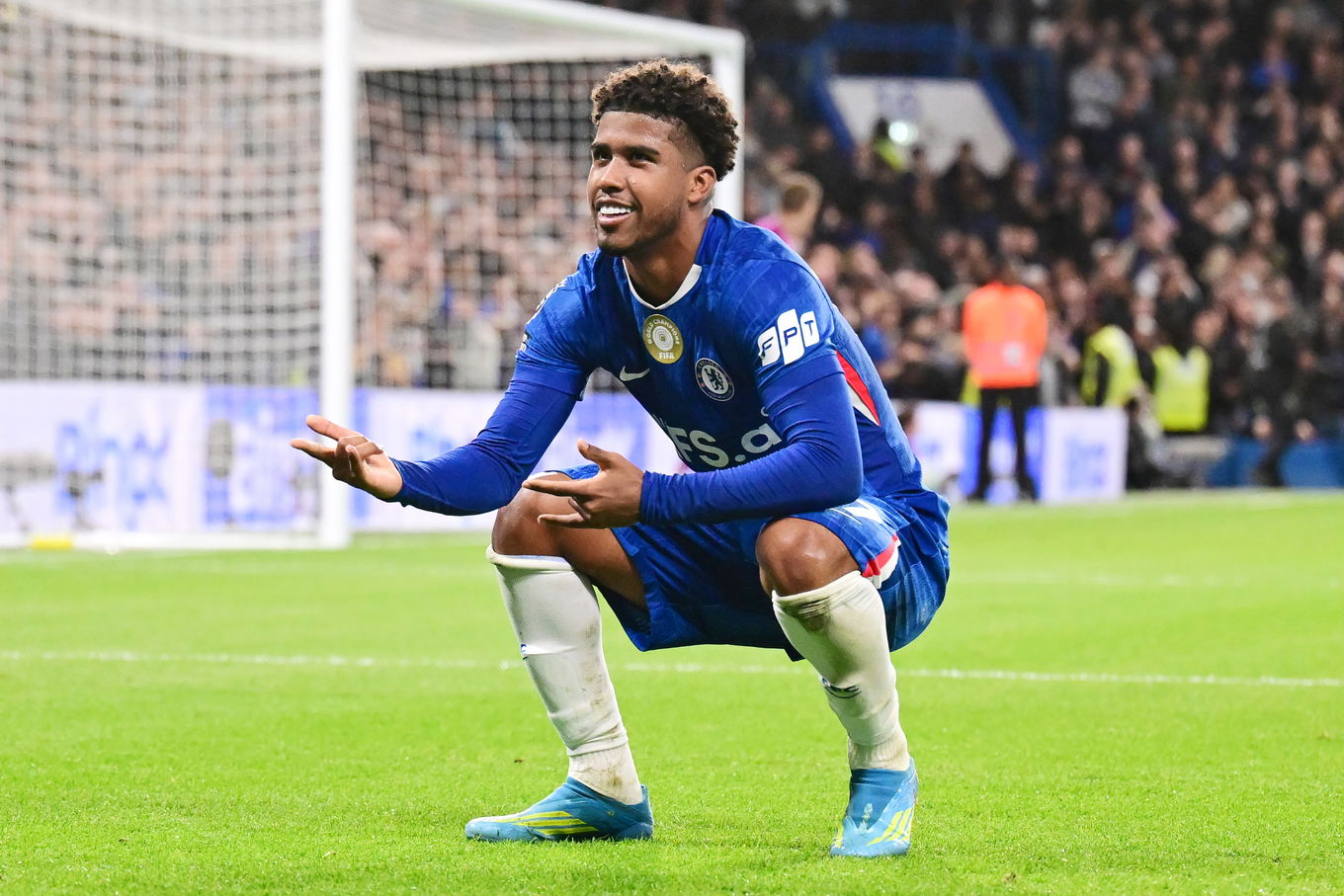
Andrey Santos averaged 7.1 across his final five Chelsea appearances - a solid baseline for any pre-season debut. Against Wrexham in Helsinki on Saturday, he delivered on that profile with measured, forward-thinking play at precisely the moment Manchester United needed midfield structure. The Manchester Evening News captured his performance as "combative and spiky, worked hard to get on the ball and tried to find forward passes."
That is exactly the midfielder United signed him to be. Earlier this week we reported Santos was set for his debut. What Saturday showed is that he arrived ready - not showy, not overreaching, but immediately functional in the role the club brought him in to fill.
The 11 changes at half-time - Michael Carrick's wholesale rotation test - created a blurred picture of United's starting XI cohesion. Second-half youth experiments and fresh combinations made it difficult to assess any coherent setup. But Santos' performance transcended the chaos. He drove play forward, competed for possession, and offered continuity when everything around him shifted. In a disorganized opening 45 minutes, he provided clarity.
That clarity was necessary because the first half exposed vulnerabilities. The opening goal cross went through Harry Maguire's legs, a positioning lapse that typified United's early disorganization. Maguire's recent form suggests this was pre-season carelessness rather than structural decline. Leny Yoro, across recent appearances, shows wide defensive swings - inconsistency that reflects limited minutes and the rebuilding of rhythm rather than a fundamental weakness.
But here is the context that matters most: Manchester United recorded three wins and one draw in their five competitive fixtures immediately before this loss. A pre-season defeat with 11 changes at half-time is a squad depth assessment. It is not a form indicator, and it is certainly not a reflection of the team that will take the field when competitive football resumes.
Santos' immediate value
Santos arrived to solve a specific problem - midfield structure and forward passing - and solved it immediately. In an otherwise disorganized first half, he offered stability. In a rotation-heavy second half, he provided the kind of continuity the club needed to see.
The defensive errors belong in the post-match assessment. But they belong in full context: pre-season rotation, wholesale half-time changes, players rebuilding their rhythm. Santos' performance needs no such mitigation. He showed up and delivered what Manchester United brought him in to do.
Written by Jack Mercer with AI-assisted research, cross-checked against 1 outlet. How we work →