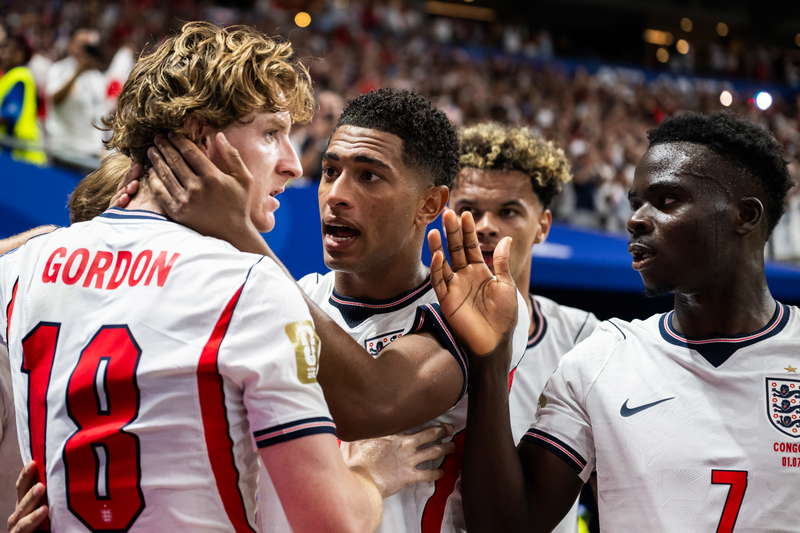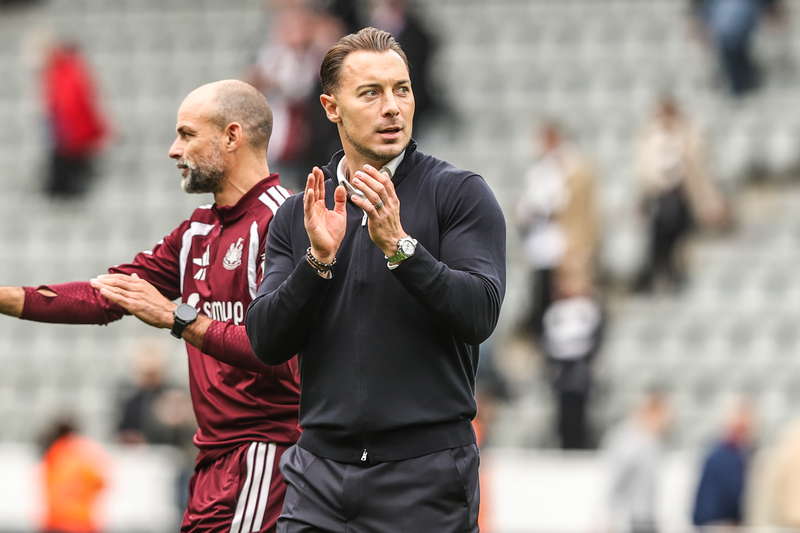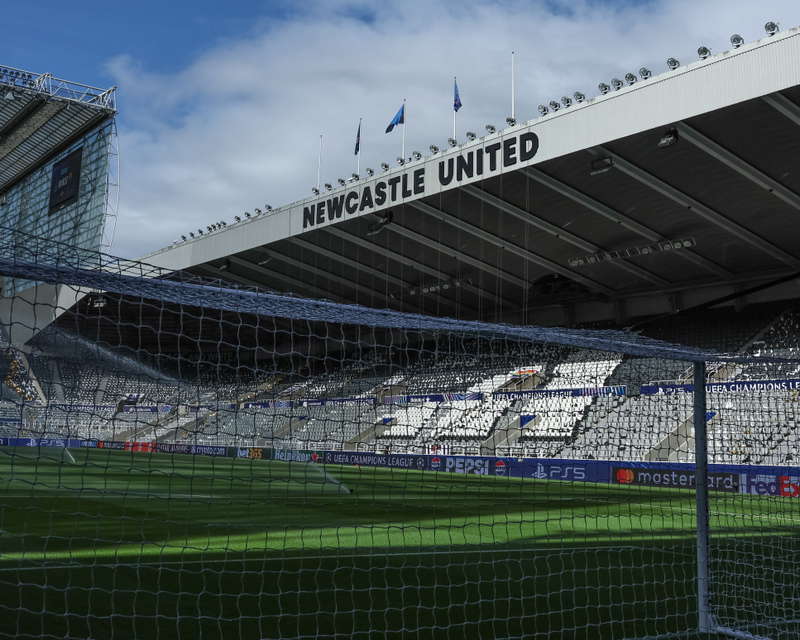


Anthony Gordon was left on the bench for Newcastle's 1-1 draw at Nottingham Forest, and Eddie Howe did not try to dress it up as anything else. He said the decision was tactical, explained that Newcastle had used a bit more solidity with Joelinton playing wide, and added that he was “looking at the future”. That is a selection call with transfer-season weight attached.
Why Howe's explanation matters
Howe's first point was practical. Gordon had returned from injury, and the manager said he was pleased with how the team had performed in the last three games, so he did not want to make too many changes. That alone would make the benching understandable.
The more revealing line was the second one. Howe said the team had performed well in Anthony's absence, that Newcastle had gone with a more solid structure, and that they had been unhappy with how they were defending. Since January, he said, the side had been disappointed with a strange structure. That is a coaching explanation, but it is also the kind of explanation managers give when they are weighing more than one version of the same squad.
The form around it is not especially comforting for Newcastle, either. Their recent run reads DWLLL, and they sit 13th on 46 points after 36 games. In that context, a more conservative shape is easy to justify, especially if the manager thinks Gordon can be used in a different role or kept in reserve while the team settles.
Why the transfer noise will not go away
The speculation is not built on Howe's quote alone. Anthony Gordon is under contract until 2030, and Newcastle paid £45million for him in 2023. That gives the club leverage, and it also means any move would need to be expensive enough to justify giving up a player who still has value.
Arsenal are the club most obviously waiting in the background. They are top of the Premier League on 79 points after 36 games, and they are also top of their Champions League group phase standings with 24 points from 8 games. For a player like Gordon, that kind of pitch matters.
The football case is strong too. Gordon has 6 Premier League goals in 26 appearances and 10 Champions League goals in 12 appearances. Those are not the numbers of a player whose stock has faded. If anything, they explain why a tactical benching can quickly turn into a bigger conversation about what Newcastle want from him, and whether they want to keep building around him.
For now, the only solid takeaway is that Howe's explanation was not just about one match. Gordon was on the bench, the manager chose control over change, and he said he is already “looking at the future”. If Newcastle decide that future does not include him, they will at least know the market is watching closely.
FAQ
Is Anthony Gordon likely to leave Newcastle this summer?
The brief does not confirm a move, but it does show why the question is live. Howe said Gordon’s benching was tactical, linked it to more solidity with Joelinton wide, and added that he was “looking at the future”. Newcastle’s contract position also gives them leverage.
Why did Eddie Howe leave Anthony Gordon on the bench against Nottingham Forest?
Howe said Gordon had returned from injury and that he did not want to make too many changes after Newcastle had performed well in the previous three games. He also called the decision tactical, saying the team used “a bit more solidity” with Joelinton playing wide.
What did Eddie Howe mean when he said he was looking at the future?
He said it after explaining Gordon’s omission as tactical, with Newcastle using a more defensive structure and Gordon back in training after injury. The line hints at planning beyond the immediate selection call, but the brief does not support any claim of a confirmed transfer decision.
Written by Jack Mercer with AI-assisted research, cross-checked against 2 outlets. How we work →