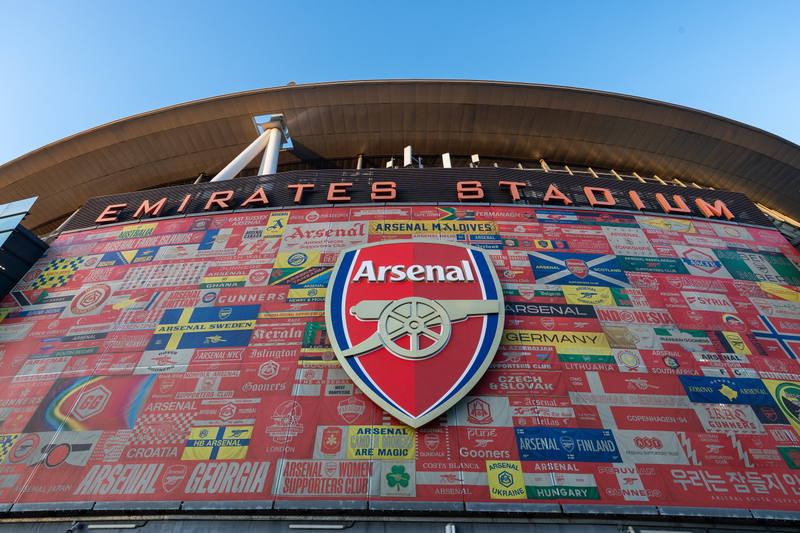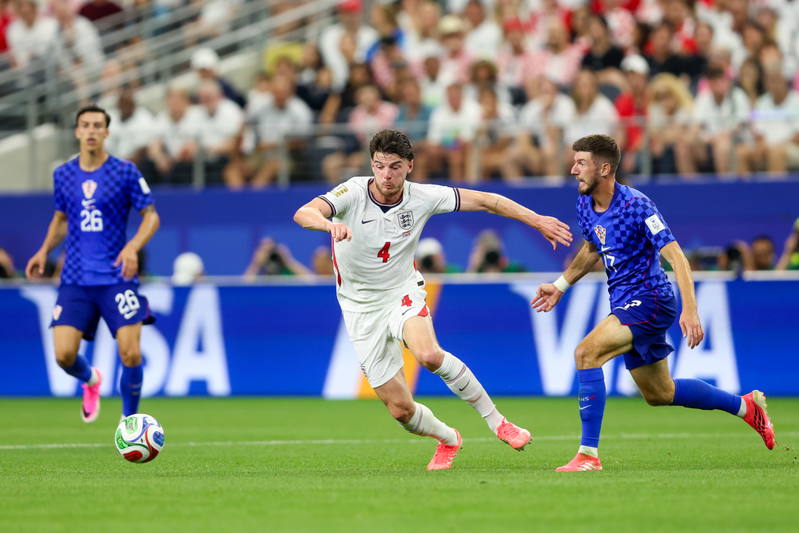
Arsenal did not fall apart in the Champions League final. They spent long spells making Paris Saint Germain look uncomfortable, then lost 4-3 on penalties after a 1-1 draw because the plan allowed almost no room for error.
The blunt numbers explain why. Arsenal completed only 69 passes in the first half, the lowest figure on record in a Champions League final, while Gabriel Magalhães made eight clearances in the opening 45 minutes and the entire PSG side completed six. After Kai Havertz's sixth-minute goal, Arsenal had no shot on target in the remaining 114 minutes.
How Arsenal tried to control PSG
Mikel Arteta set Arsenal up to live without the ball and trust the structure in front of David Raya. Opta’s possession figure of 24.7% captures how deep they were forced to sit, and PSG’s 837 completed passes to Arsenal’s 199 show just how one-sided the territorial picture became.
That did not mean Arsenal were passive in a lazy sense. Gabriel Magalhães was outstanding in the first half, Kai Havertz gave them the lead, and Piero Hincapié was even booked for time-wasting in the opening 20 minutes as Arsenal tried to drag the match into their preferred shape. The issue is that a plan built that tightly leaves little margin when one challenge goes wrong.
Matt Verri put it plainly: "There must be more of a margin for error so that every loose challenge at the back or misplaced pass on the counter-attack does not carry such huge significance."
Why the final turned on one mistake and one miss
Gabriel Magalhães and Kai Havertz were the clearest examples of Arsenal’s best work on the night. Gabriel’s eight clearances kept PSG at arm’s length in the opening phase, and Havertz’s goal gave the game exactly the kind of opening Arsenal wanted.
But the match still ended in the same old cup-final way, on the narrowest possible edge. In 2006, Arsenal were 14 minutes from glory. Here, it went all the way to penalties and finished 4-3 to PSG.
The fair reading is not that Arsenal were outclassed for 90 minutes. Miguel Delaney’s description of their off-the-ball work as a "masterclass in off-the-ball shape" fits the evidence. The sharper criticism is that a system this extreme asks for perfection, and when the first loose moment arrived, the whole night changed. Matvey Safonov did not save anything in the match or shootout, but that did not matter once the pressure shifted to spot-kicks.
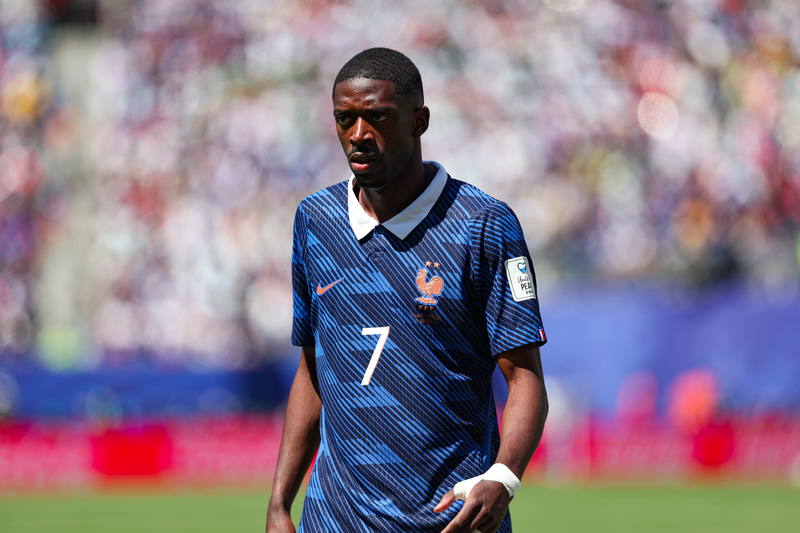
PSG still had the deeper threat, with Ousmane Dembélé and Khvicha Kvaratskhelia both part of a side that eventually forced Arsenal to defend for too long. Yet this was not a simple case of PSG bullying them from start to finish. Arsenal’s approach nearly worked, and that is exactly why the final will sting. It was close enough to believe in, then one mistake and one missed penalty decided it.
Written by Jack Mercer with AI-assisted research, cross-checked against 3 outlets. How we work →