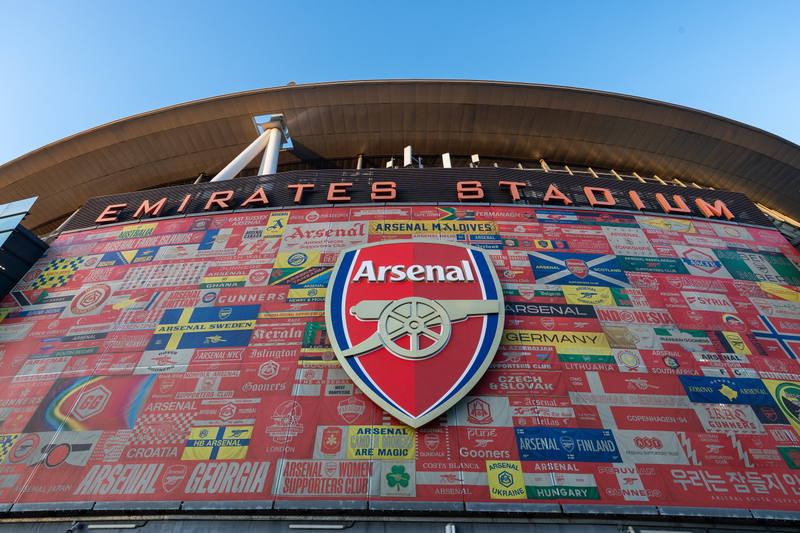
Arsenal are Premier League champions after Manchester City drew 1-1 at Bournemouth on Tuesday, but the decisive part of the story was already in place. Arsenal sit top on 82 points from 37 matches, with 25 wins, 7 draws and 5 defeats. Add 19 clean sheets, 69 goals scored and only 26 conceded, and this looks far more like a season of control than a title won by one dramatic twist.
Why Arsenal’s numbers matter more than the final trigger
The Bournemouth result was the formal end of the race. It was not the full explanation.
Arsenal’s title case is strong because it is spread across the whole season. They finished first with 82 points, and their record of 25-7-5 is the kind of return that leaves very little room for luck as the main explanation. This was not a team hanging on through moments. It was a team that repeatedly limited damage, took points and kept the table moving in its favour.
The defensive side is the clearest reason they are champions. Arsenal kept 19 clean sheets and conceded just 26 goals in the league. Those two numbers do most of the talking. Plenty of title winners can point to goals and standout attacking runs, but the harder thing over a full campaign is shutting games down often enough that bad afternoons do not become costly weeks.
That is where Mikel Arteta's side separated themselves. Arsenal scored 69 league goals, which is a healthy total without suggesting they had to overpower everyone every week. The balance is what stands out. They had enough threat, but the base of the team was restraint, structure and reliability.
There is also a useful detail in how they responded when pressure should have been highest. After the loss at Manchester City, Arsenal won four league matches in a row without conceding a goal. If there was any doubt about how this team would handle a setback, that run answered it. Title-winning sides do not always need a grand statement. Sometimes they just need to stop conceding and keep winning.
Declan Rice put it well when he told independent.co.uk: "We knew on the inside that we had the belief and we could still win it. This club deserves really good things and we have worked really hard towards that, so let's keep pushing."
That sounds like a squad that saw the title as a long build, not a sudden opportunity.
The title was Arteta’s project paying off
There is no need to dress this up as a miracle. Arsenal had gone 22 years without a league title before this, and the last one came in the 2003/04 Invincibles season. That gap alone explains why the reaction will be emotional, but the football explanation is much calmer than that.
This is the payoff for Arteta's rebuild. The BBC detail about players being asked to throw negative thoughts into a fire at the training ground in April may sound unusual, and so does the report of an AI TikTok squad song becoming part of the season's culture, but both details point in the same direction. Arteta has spent years trying to shape a group with a strong internal message. Now he has a title to show for it.
He also has a team with key contributors across the pitch rather than a single hero narrative. Rice made 36 league appearances and posted a 7.46 rating in the stat pack, which fits the idea of midfield control being central to this title. Bukayo Saka added 7 league goals and 5 assists in 31 appearances. David Raya was tied to the 19 clean sheets that gave Arsenal their platform.
The season does not need one face to explain it. That is probably a strength, not a weakness.
Why City’s draw mattered, but should not define the story
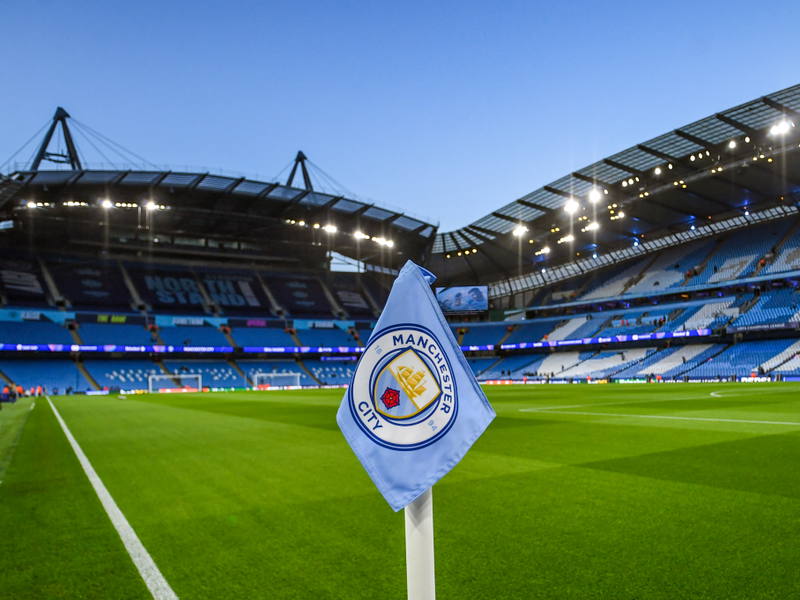
The immediate confirmation came from City's 1-1 draw away to Bournemouth. Some reports around City's points total have conflicted, but the verified stat pack puts them on 77 points, four behind Arsenal, and that is the figure that matters here.
The match itself had enough drama. Eli Junior Kroupi scored Bournemouth's goal in the 39th minute, and Erling Haaland found a stoppage-time equaliser for City. It was too late to keep the race alive.
Micah Richards told independent.co.uk: "Congratulations to Arsenal, but for City, we just expect a little bit more, when it was in their hands, they couldn't get it over the line."
That is fair as far as City's night goes. But if the conversation stops there, it undersells Arsenal. City dropped the points that ended the race, yet Arsenal had already built a table that made one slip fatal. That is the difference.
There is a temptation with title clinchers to focus on the final external result and treat everything before it as background. In this case, the background is the real story. Arsenal are champions because they reached 82 points in 37 matches, won 25 games, kept 19 clean sheets and came through the run-in with four straight shutouts after losing at City.
They will lift the trophy after their final league game at Crystal Palace.
FAQ
Why were Arsenal crowned Premier League champions before the final game?
Arsenal were confirmed as champions after Manchester City drew 1-1 at Bournemouth. That left City on 77 points, four behind Arsenal's 82 with one game left, so the title race was mathematically over.
How did Arsenal win the Premier League this season?
The title was built on consistency and defensive control. Arsenal reached 82 points from 37 matches with a record of 25 wins, 7 draws and 5 defeats. They scored 69 league goals, conceded just 26 and kept 19 clean sheets, then closed with four straight league wins without conceding after the loss at Manchester City.
Was Arsenal's title mainly about Manchester City's slip or Arsenal's own form?
City's draw at Bournemouth ended the race, but Arsenal's season did the heavy lifting. They were already top on 82 points and their 19 clean sheets, 26 goals conceded and 25 wins make this look like a title earned through control over the full campaign, not a gift from one result.
What did Declan Rice say about Arsenal's title push?
Declan Rice framed it as something Arsenal believed in internally rather than a late surprise. He said the squad felt they could still win it and had worked really hard for it, which fits the broader picture of a side built on belief, structure and consistency.
- bbc.co.uk
- caughtoffside.com
- dailystar.co.uk
- express.co.uk
- football.london
- goal.com
- independent.co.uk
- mirror.co.uk
- nbcsports.com
- rte.ie
- si.com
- skysports.com
- sportsmole.co.uk
- standard.co.uk
- talksport.com
Written by Jack Mercer with AI-assisted research, cross-checked against 15 outlets. How we work →