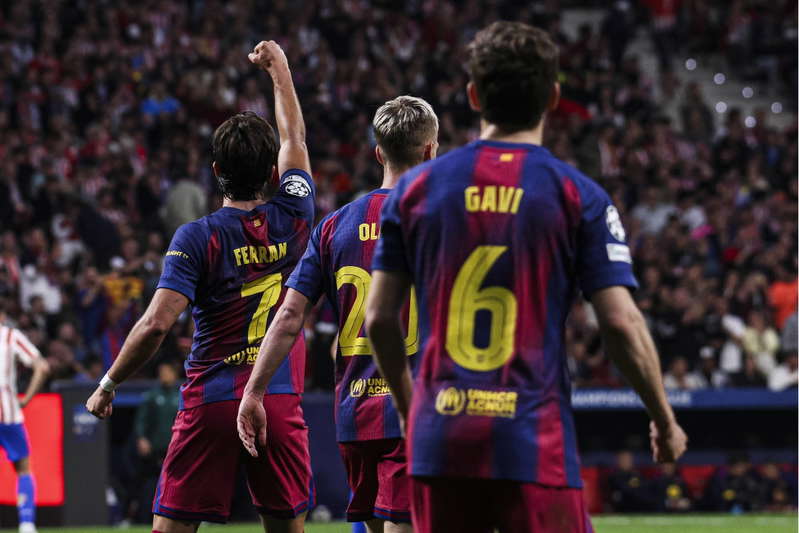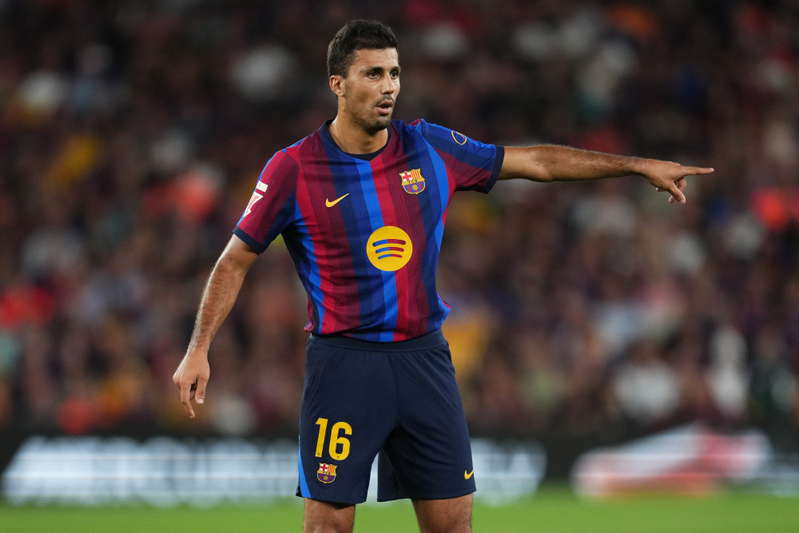


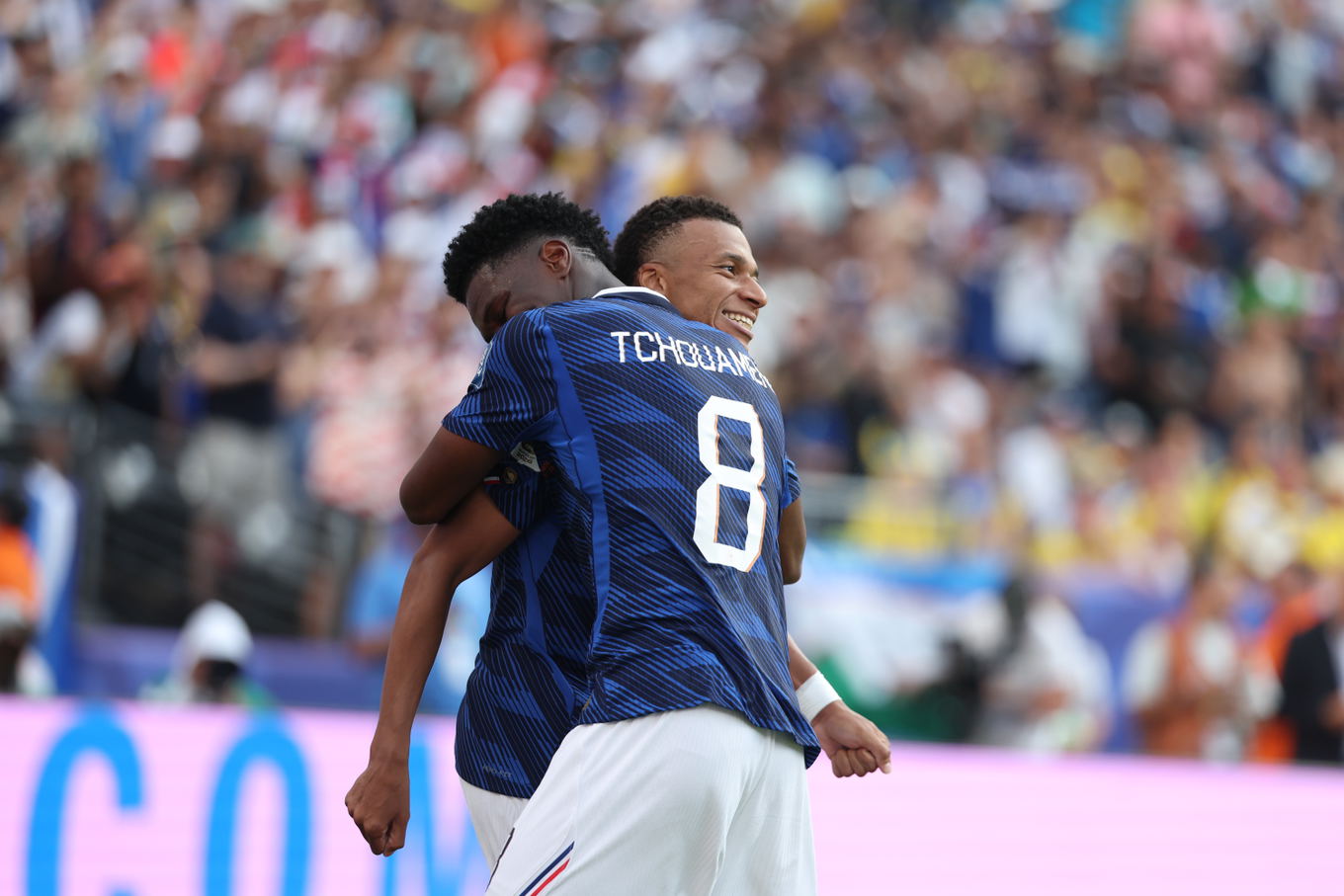
Spain send three Barcelona players into their World Cup semifinal against France, with Lamine Yamal, just 19, joining Dani Olmo and Rodri in a midfield tasked with controlling possession against the tournament's most clinical attack. Kylian Mbappé has scored 8 goals this tournament - twice the total of Spain's top scorer, Mikel Oyarzabal - and France have won all six matches with a 16-3 goal differential. The winner reaches the World Cup final on July 19 to face England or Argentina. This semifinal is a tactical chess match: Spain's ball retention and positional control against France's lethal counter-attacking, Barcelona's academy influence against France's perfectly-restored defensive balance with Aurélien Tchouaméni returning from injury.
Barcelona's academy influence on Spain's midfield
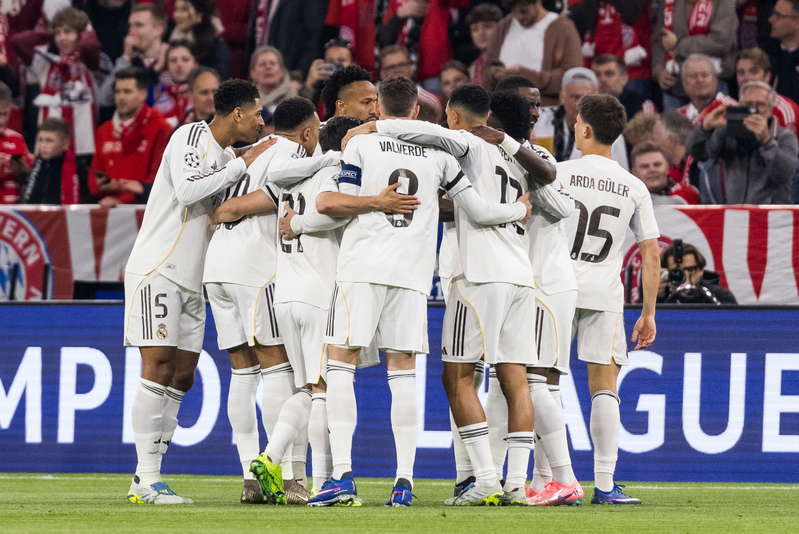
Three Barcelona players start for Spain: Lamine Yamal at right winger (19 years old), Dani Olmo in attacking midfield, and Pau Cubarsí in defense. They share a tactical language built on Barcelona's principles - short passing, positional awareness, and ball retention. Rodri has been the engine of Spain's possession game, dictating play across 556 minutes at a 7.53 rating, averaging nearly 93 minutes per match. His positioning is critical to building from deep and controlling tempo against France's aggressive press. Every Spain attack is built on Rodri's ability to escape pressure and find Olmo, who operates in attacking midfield at a 7.0 rating across 351 minutes (averaging 58.5 minutes per match), with 1 assist. His creativity and short-passing combinations are the link between Spain's defense and their attacking players.
Yamal's emergence as a starter at 19 represents a generational breakthrough. He has posted a 7.11 rating in 413 minutes of World Cup football, demonstrating maturity and technical security in a semifinal environment. His development comes directly from Barcelona's academy, where he learned positioning and pressing triggers from elite coaching. Fabián Ruiz's retention in the starting XI reflects tactical preference rather than form concerns. He scored against Belgium in the quarterfinal and has held his place over Pedri for the second consecutive knockout match - Ruiz's energy and vertical passing have proven more effective against high-pressing defenses. Manager Luis de la Fuente's stated ambition - "Queremos estar en la final" - depends entirely on this Barcelona-influenced midfield controlling possession and limiting France's transitions.
France's restored defensive balance and Mbappé's clinical efficiency
France have won all six World Cup matches while scoring 16 goals and conceding just 3. That 16-3 differential is not an accident. It reflects both attacking precision and defensive discipline at the highest level. Kylian Mbappé leads the entire tournament with 8 goals and 3 assists in 537 minutes (an 8.12 rating). His individual goal output is 100% higher than Oyarzabal's 4 goals for Spain. Mbappé was forced off against Morocco but manager Didier Deschamps confirmed he is "back to 100% fitness for the semifinal." That clearance removes any doubt about France's attacking capability.
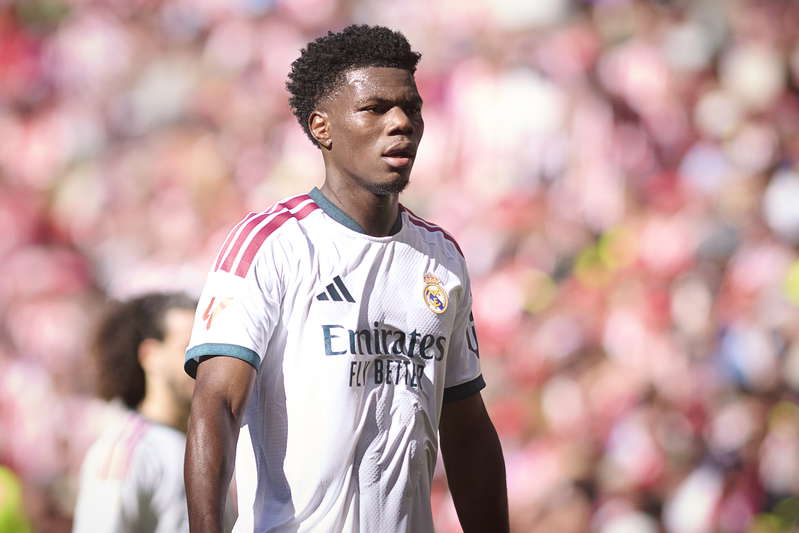
The return of Aurélien Tchouaméni to France's starting XI reshapes their midfield architecture. Tchouaméni had missed the Iraq group-stage match, the Paraguay knockout, and the Morocco quarterfinal through injury. His presence alongside Adrien Rabiot (7.02 rating across 475 minutes) provides the physicality and defensive discipline that allows France to absorb sustained pressure and strike decisively in transition. Rabiot's 95 minutes per appearance demonstrates Deschamps' tactical reliance on his workload and defensive positioning. With Tchouaméni restored, France have the midfield balance to press Spain without leaving gaps for Barcelona's technical players to exploit. Their 2.67 goals-per-match average against just 0.5 conceded shows they punish defensive carelessness.
Midfield control will decide who reaches the final
The tactical battle is clear: Spain must impose their possession rhythm and limit France's counter-attacking opportunities. A single turnover in Spain's build-up can become a Mbappé counter within seconds. Spain's success depends on Rodri neutralising France's press while Olmo and Yamal create attacking opportunities before France regain possession.
If France press too aggressively, Spain's technical players - Rodri's range, Olmo's creativity, Yamal's positioning - can expose gaps in their defensive shape. Conversely, if Spain cannot sustain possession and relieve France's pressure, Mbappé and France's attacking pace will punish them in transition. The team that controls the midfield space - whether through sustained possession or through defensive positioning and transitions - will reach the final on July 19.
FAQ
Can a 19-year-old wing perform in a World Cup semifinal?
Lamine Yamal has rated 7.11 in 413 World Cup minutes across six matches, demonstrating technical maturity in elite environments. His Barcelona academy background equipped him with positioning awareness and security. Spain's semifinal confidence in Yamal reflects trust in Barcelona's youth development model.
Will possession control beat France's counter-attacking in the World Cup semifinal?
Spain's possession strategy depends on Rodri (7.53 rating) and Dani Olmo (7.0 rating) controlling midfield while Yamal creates attacking width. But France's 16-3 goal differential shows they punish turnovers with clinical finishing. Spain must sustain possession to limit Mbappé's transitional opportunities.
Why is Aurélien Tchouaméni's return important for France?
Tchouaméni returns to France's midfield after missing three knockout matches through injury. Alongside Adrien Rabiot, he provides the physical midfield balance that allows France to press Spain without leaving gaps. His presence helps maintain France's unbeaten 6-0 record and 16-3 goal differential.
How much more dangerous is Mbappé compared to Spain's attackers?
Kylian Mbappé has scored 8 World Cup goals with an 8.12 rating, double the 4 goals of Spain's top scorer Mikel Oyarzabal. Mbappé has also supplied 3 assists across 537 minutes. His individual threat is the tournament's standout metric and the primary concern for Spain's defensive approach.
Written by Daniel Hartley with AI-assisted research, cross-checked against 5 outlets. How we work →