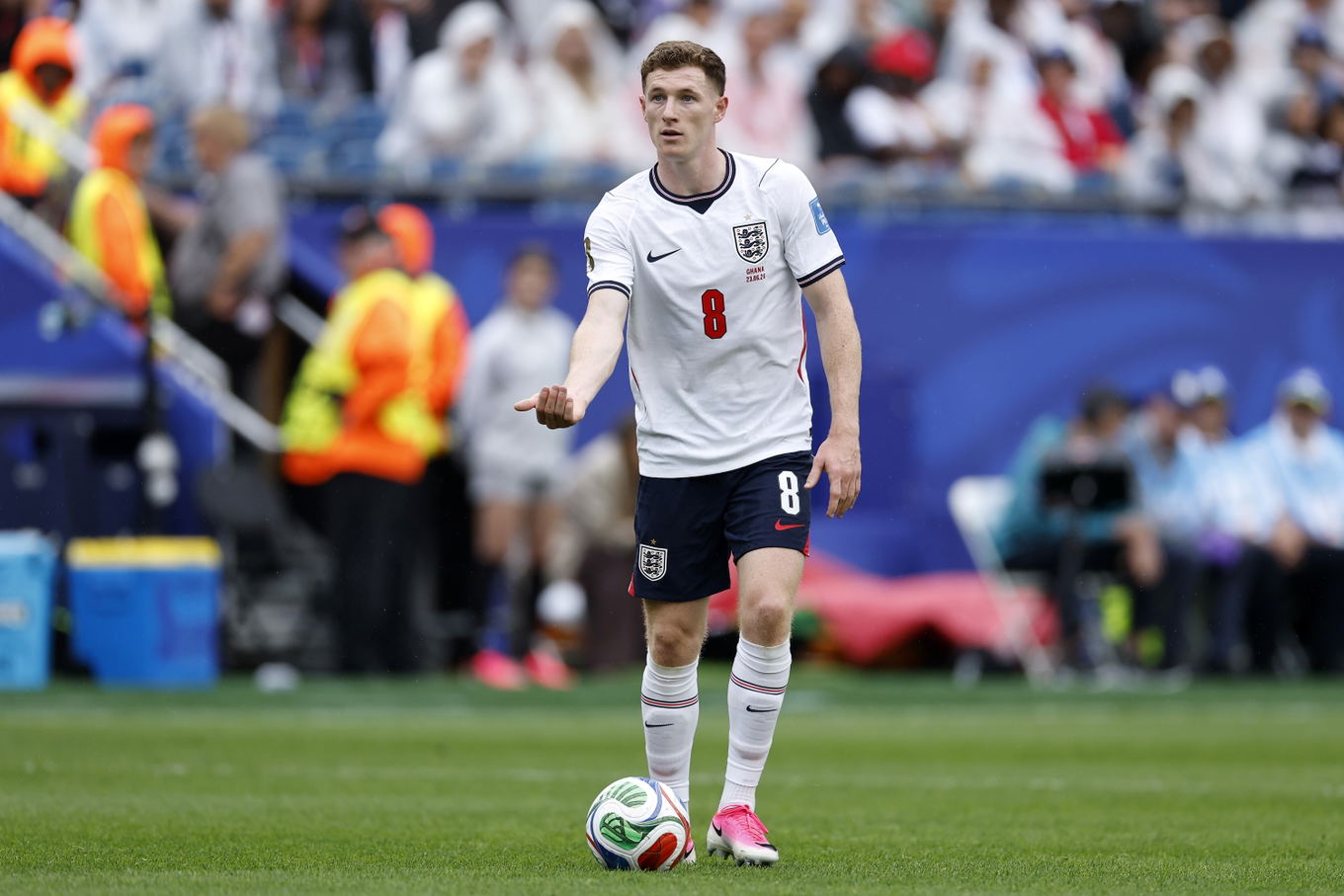
Elliot Anderson starred in England's opening World Cup match against Croatia, delivering 94 minutes of commanding midfield play and registering an assist in his tournament debut. The performance extends a six-decade tradition: Bristol clubs have supplied England's World Cup players from Norman Hunter's 1966 squad through David James's three tournaments and now Anderson's emergence on the world stage. Few English cities have maintained such a consistent pipeline to football's biggest tournament.
The Bristol pipeline across six decades
Anderson's breakthrough began years earlier at Bristol Rovers, where he came off the bench as a teenager to score on his debut, launching his rise through professional football. His journey mirrors a pathway that has consistently fed England's World Cup squads, creating an institutional reputation that extends far beyond the city itself. Norman Hunter was a non-playing member of England's 1966 World Cup-winning squad—a connection to victory that set a precedent for future generations. Bristol City later noted that Hunter "supplied the class that enabled City not only to survive in the top flight but to also challenge for a European place in 1978/79," demonstrating how elite-level development could anchor a club's ambitions.
Terry Cooper played left-back in the 1970 World Cup in Mexico, reaching the quarter-finals as part of England's World Cup history. Cooper compiled 351 appearances for Leeds United during the Whites' most successful era before his later connection to Bristol strengthened the development pathways for a new generation. His route to football's summit through Yorkshire and then back to Bristol illustrated how talent could flow through different channels while maintaining high standards.
David James extended that tradition into the modern era, appearing in three World Cup tournaments (2002, 2006, 2010) as England's goalkeeper. His two-decade career spanned different eras of English football, yet he remained connected to Bristol's institutional knowledge. James proved that World Cup football was not a one-off achievement but a repeatable outcome for players developed in Bristol's environment.
Rickie Lambert came closer to World Cup glory than many Bristol products, even if his 2014 contribution was brief—a substitute appearance in the closing minutes of England's loss to Uruguay. His presence on a World Cup squad, even in a limited role, extended the thread of Bristol's involvement at the tournament.
That continuity—from 1966 through the 2000s to the present—sets Bristol apart from other English cities. Few have supplied World Cup talent across generations with such consistency. The institutional memory runs deep: each generation of Bristol academy prospects grows up knowing that the path to international football runs through their own clubs.
From bench to world stage
Anderson's World Cup debut demonstrated precisely why Bristol City and Bristol Rovers have become such reliable talent pipelines. Playing 94 minutes in his opening match, he controlled midfield against Croatia, earning a performance rating of 7.2 and registering an assist. These statistics barely capture the real significance: a teenager from the Bristol academies, now operating as a World Cup midfielder dictating play at football's biggest tournament.
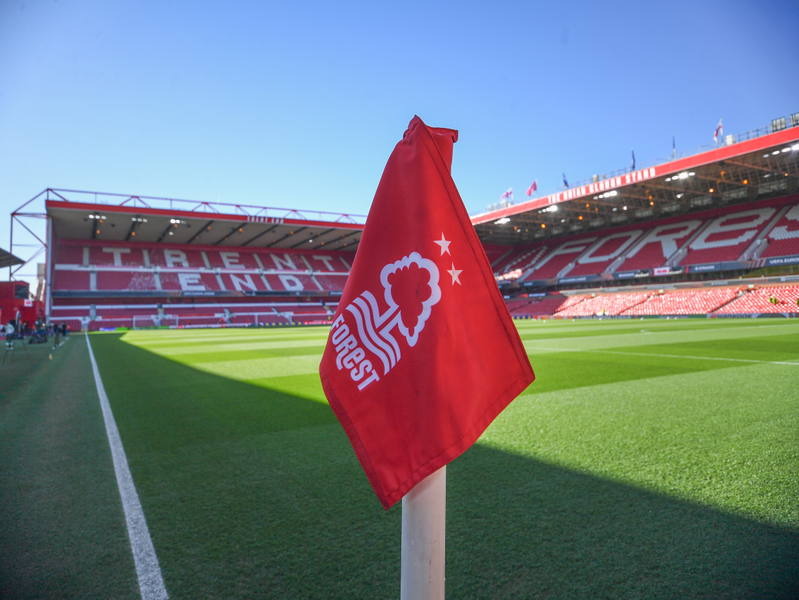
His rise also carries commercial weight that reflects his trajectory. Nottingham Forest, Anderson's current club, is the subject of a rumored Manchester City bid worth more than £100 million—a sum reflecting his potential at the elite level. Yet it was Bristol where the foundation was laid: in the youth ranks, in substitute appearances that taught composure, in the discipline and craft required to climb from academy prospect to World Cup midfielder.
The rarity of World Cup selection versus appearance
Not every Bristol player who represented England reached the World Cup itself. That distinction matters enormously. Nigel Martyn was selected for the 1998 and 2002 World Cup squads but never earned an appearance despite multiple tournament selections, remaining a squad member rather than a tournament footballer. Selection and appearance are different thresholds entirely.
The latter—stepping onto the world's stage and making a measurable contribution—is rarer and more defining. Anderson has crossed that threshold in his first summer. He did not wait years for opportunity. He seized it immediately.
What comes next
Anderson is the latest proof that the Bristol pipeline produces results. England's next fixtures will determine whether his World Cup debut was a beginning or an outlier—whether he becomes a regular or a brief chapter. But for Bristol's development pathways, the story has already moved forward: one midfield talent is already playing at football's highest level, six decades after Norman Hunter's 1966 selection and a full generation after David James's international career ended.
FAQ
How many Bristol players have appeared in the World Cup?
Terry Cooper played in the 1970 World Cup in Mexico, reaching the quarter-finals. David James appeared in three World Cup tournaments (2002, 2006, 2010). Rickie Lambert came on as a substitute in 2014. Elliot Anderson played 94 minutes in England's opening 2026 match against Croatia. Norman Hunter was selected for 1966 but did not play.
What was Elliot Anderson's World Cup debut performance?
Anderson played 94 minutes in England's opening match against Croatia, registering one assist and earning a 7.2 performance rating. His commanding midfield display demonstrated why Bristol clubs have developed him as a World Cup-ready talent from his teenage debut with Bristol Rovers.
Why do Bristol clubs develop so many World Cup players?
Bristol City and Bristol Rovers have built a consistent pathway for young talent, recognizing elite players early and developing the discipline and craft needed for international football. The institutional continuity across decades has created an environment where World Cup participation remains possible for talented prospects.
Is Elliot Anderson's Manchester City bid confirmed?
No. Nottingham Forest is the subject of a rumored Manchester City bid worth more than £100 million for Anderson, but the transfer is not confirmed. The bid reflects his potential trajectory following his World Cup breakthrough.
Written by Sam Whitfield with AI-assisted research, cross-checked against 1 outlet. How we work →