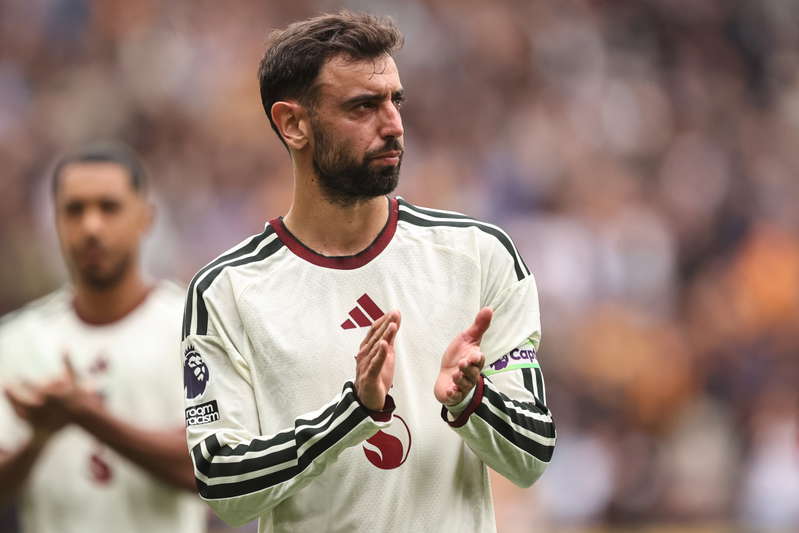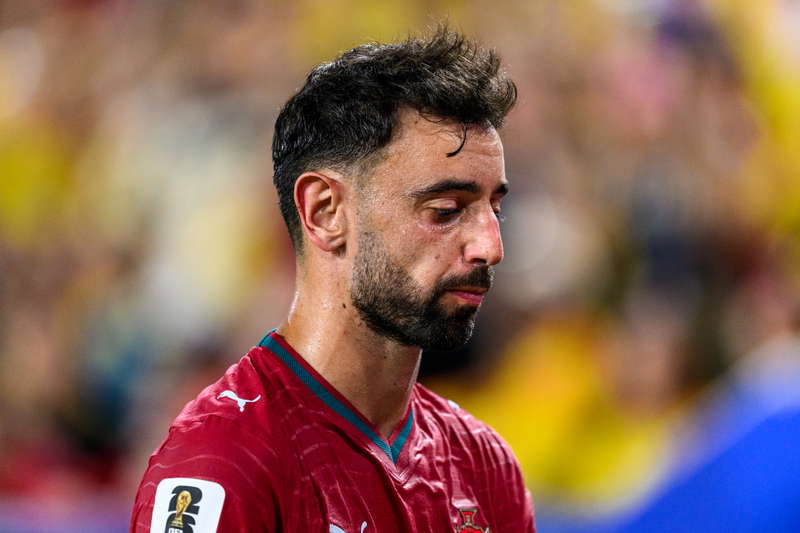


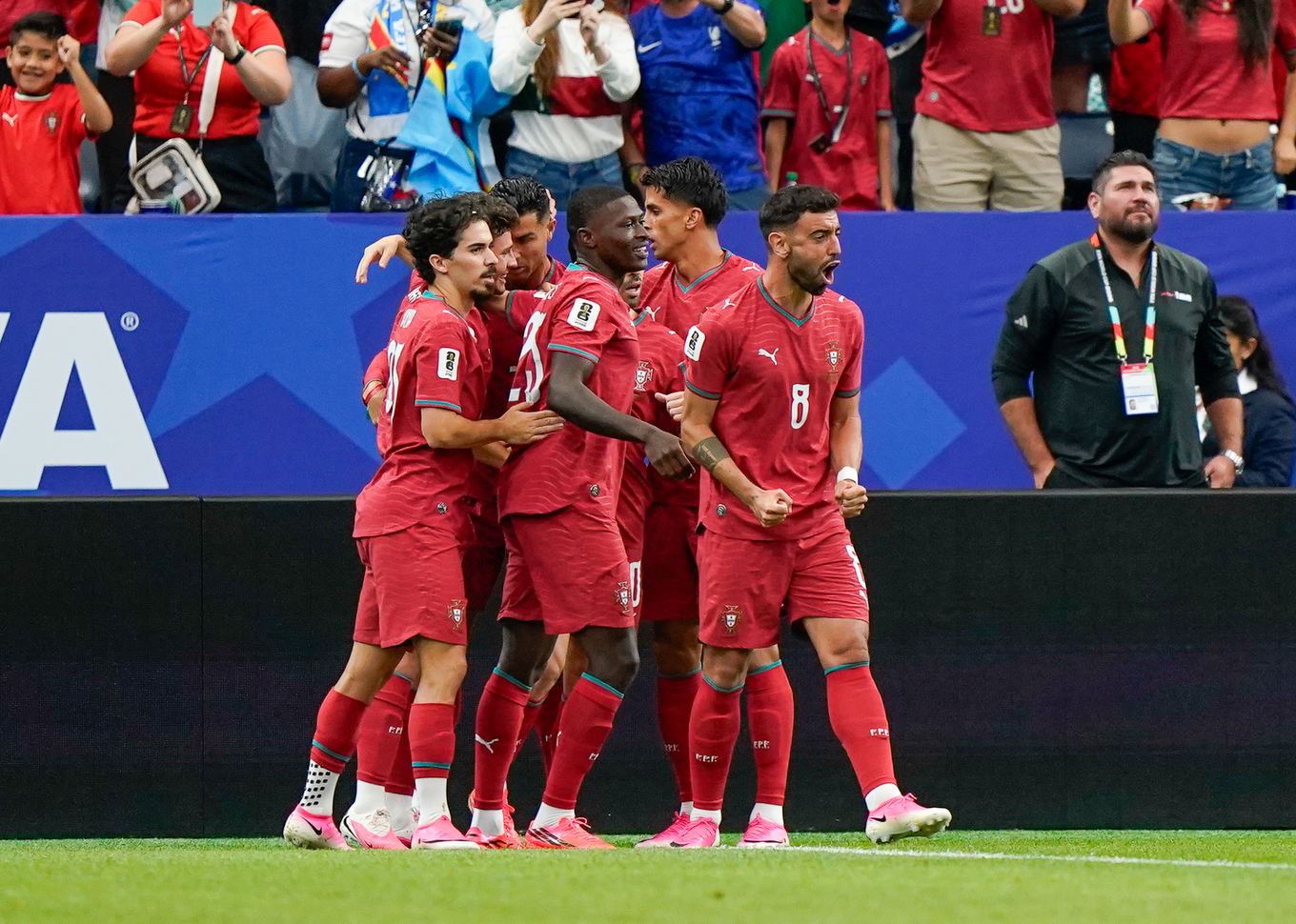
Bruno Fernandes did not hide his frustration after Portugal's 1-0 World Cup round of 16 defeat to Spain. He said Portugal were better in the first half, then dropped too deep, gave the ball away too often and let the game drift from them. Fernandes was also set for an extended rest period after Portugal's tournament exit on Monday.
Fernandes' view of the defeat
"It's a sad moment. We had the clear objective of winning the World Cup, but we weren't at our best. In the first half, we were superior, but in the second half we made the mistake again of dropping too deep and giving the ball to the opponent. When that happens, we end up suffering," Bruno Fernandes told mirror.co.uk.
He did not soften that point. "We faltered by giving Spain too much of the game, which is what they really want. Then our legs start to get heavy, the spaces start to get bigger. We should have continued to be aggressive, tried to prevent Spain from playing so much, we should have played more with the ball, we have the quality for that and we ended up losing ourselves a little," he said.
That is a fair criticism of Portugal's approach. Fernandes is not blaming one moment or one error, he is pointing to a pattern in the second half, when Spain were allowed to settle and Portugal chased the game from deeper positions.
Portugal's run and Spain's control
Portugal arrived at the match with a mixed but competitive run, having gone W-D-W-D-W in their World Cup games before facing Spain. Spain came in unbeaten in their last five, with D-W-W-W-W across their previous World Cup matches.
The game itself was settled by a 1-0 scoreline, and Fernandes called the exit a missed opportunity. He said Portugal had the quality to win the World Cup, but could not get the best out of everyone in the right way.
The broader debate around Portugal will sit with the same question Fernandes raised after the final whistle. They were good enough to threaten, but once they dropped deeper, Spain took the ball and the match followed that shape until the end.
Written by Daniel Hartley with AI-assisted research, cross-checked against 1 outlet. How we work →