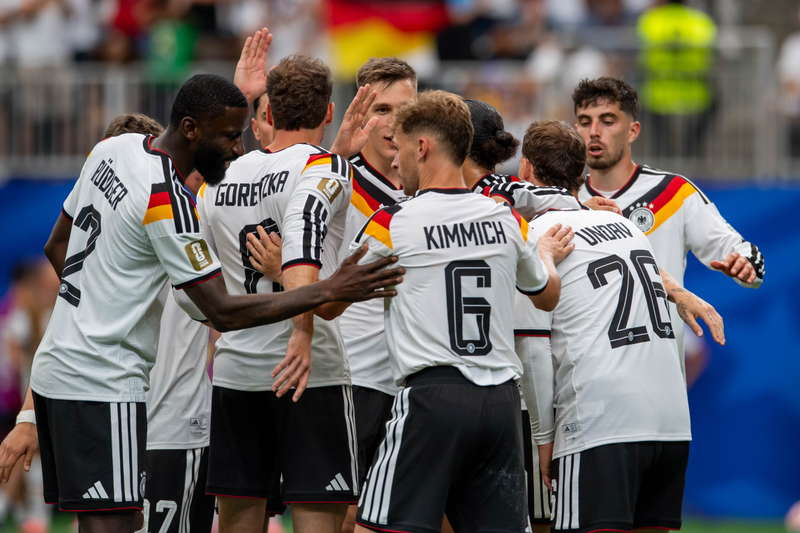


Four more Japanese players arrived in early summer, and the Bundesliga's pull on that market still looks strong. SC Freiburg brought in Rihito Yamamoto and Keisuke Goto, Borussia Mönchengladbach signed Zento Uno, and FC Schalke 04 added Satoshi Tanaka from Fortuna Düsseldorf. The league now has 15 Japanese players in its top division, more than Switzerland, the USA, the Netherlands and Belgium.
Why clubs in Germany keep looking at Japan
The pattern is not hard to see. Freiburg's board member for sport, Jochen Saier, called one arrival “aggressive”, while Rouven Schröder, Borussia Mönchengladbach's head of sport, described Uno as a defensively minded, tactically disciplined midfielder who is strong in the tackle, covers plenty of ground and does his best work off the ball. He added that Uno has exactly what it takes to flourish in Germany.
That profile fits the way Bundesliga clubs have been recruiting from Japan for years. It is not just about name recognition or market reach. The clubs involved are looking for players who can handle the physical side of the league and take on specific tactical jobs, and the early-summer business suggests that remains the main attraction.
What the new signings say about the clubs involved
The destinations matter as much as the nationality trend. SC Freiburg finished 7th in the 2025 Bundesliga, while Borussia Mönchengladbach ended 12th. Freiburg are still pushing closer to the European places, and Gladbach are operating from a more mid-table base, which makes their recruitment choices worth reading carefully.
Rihito Yamamoto is the only one of the four new arrivals yet to represent Japan at senior international level. That does not weaken the overall picture, because it actually sharpens it. Bundesliga clubs are not only taking established names from Japan, they are still willing to back younger players before they have built a senior international profile.
The point is wider than one summer. Four arrivals before the window has even properly opened, a total of 15 Japanese players in the division, and two clubs in particular leaning into the same market again. Germany remains one of the clearest routes for Japanese talent to step into European football, and there is no sign that pull is fading.
Written by Jack Mercer with AI-assisted research, cross-checked against 1 outlet. How we work →