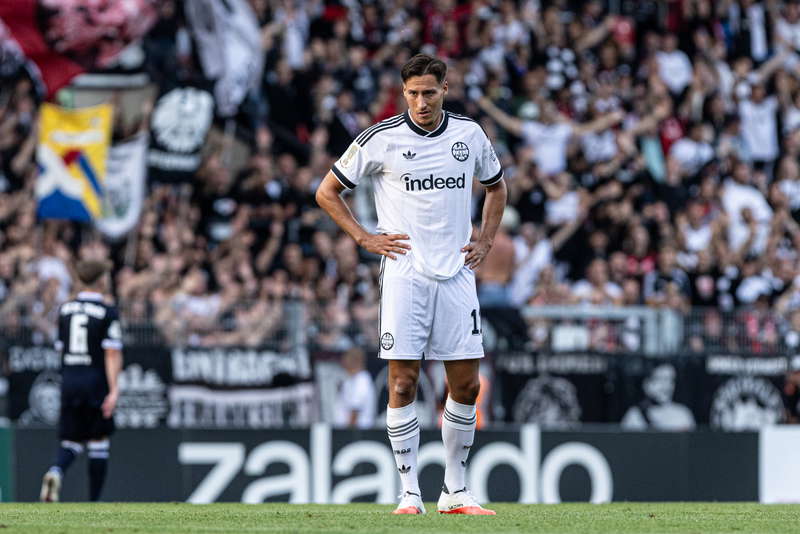


Eight Bundesliga players feature in World Cup 2026 Groups F and G, with Eintracht Frankfurt's Ritsu Doan and Bayern München's Hiroki Itō anchoring Japan's Group F campaign. According to Bundesliga.com, "A host of stars from Germany's top two leagues are set to meet on football's biggest stage as Japan, the Netherlands, Sweden and Tunisia battle it out in Group F and Belgium, Egypt, Iran and New Zealand lock horns in Group G of the FIFA World Cup 2026."
The eight-player presence creates an unusual snapshot of how a single domestic league distributes its talent across World Cup groups. World Cup 2026 Group F pairs Japan, Netherlands, Sweden, and Tunisia. Group G features Belgium, Egypt, Iran, and New Zealand. Bundesliga representation clusters particularly in Group F, where three nations field league-based talent. This concentration offers a rare opportunity to track how a single domestic league influences a group stage contested between familiar European sides and rising tournament competitors.
Japan's Bundesliga foundation
Ritsu Doan brings Bundesliga experience from Eintracht Frankfurt, carrying two World Cup appearances and 149 minutes of international tournament play. His 6.6 average rating across those outings shows steady contribution in previous campaigns. Hiroki Itō from Bayern München provides defensive presence with 189 minutes across two World Cup appearances and a 6.75 rating. Both players enter Group F with tournament experience, an asset for a Japan side navigating a difficult qualifying pool.
Japan's group is particularly competitive. The presence of Bundesliga talent from the Netherlands and Sweden adds another dimension - players who face each other weekly in the Bundesliga now compete for qualification slots. Doan and Ito represent Japan's clearest Bundesliga connection, offering a proven pathway to the knockout stage.
The broader Bundesliga footprint
SC Freiburg, Bayer Leverkusen, and other Bundesliga clubs extend across both groups, with Kaishu Sano among the secondary figures spread across Group G and beyond. The eight-player total reflects how thoroughly Germany's top league feeds World Cup squads, even when those squads come from nations outside traditional continental powerhouses. The tournament will test whether Bundesliga infrastructure and familiarity translate into group-stage success for its represented nations, or if the advantage remains individual rather than collective. For Japan particularly, the Bundesliga contingent is more than statistical - it represents their most experienced tournament faces heading into a group where every point matters.
Written by Jack Mercer with AI-assisted research, cross-checked against 1 outlet. How we work →