


"He had the quality, but to reach that level, sometimes you need much more than just quality."
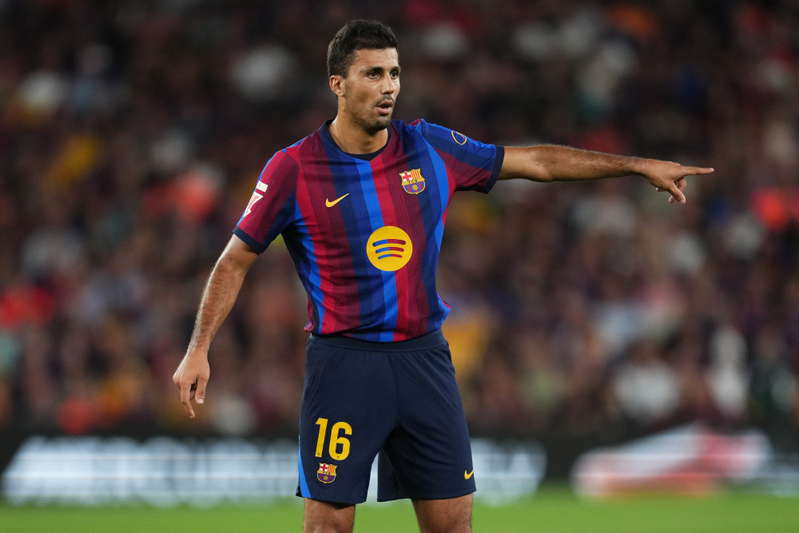
That assessment from Ricardo Pessoa - who coached Camilo Duran through semi-professional football in Portugal's Azores and later at Portimonense - captures the improbable logic behind Duran's journey to Celtic. On Saturday, ten minutes after stepping off the bench against Sporting CP in a pre-season friendly, Duran scored. His debut vindicated not just the £6m gamble from Qarabag, but the belief Pessoa had held all along: that Duran's rise was never simply about natural talent.
Duran's path to Parkhead reads like a careful arc through unlikely stages. Colombia to Flamengo to semi-professional Lusitania in the Azores, where a few hundred spectators gathered each week. From there, Portimonense offered a step up - roughly 1,200 fans per match. Then came the £200k move to Qarabag 12 months prior, a club competing in European football, and finally a £6m contract to Celtic.
Each move was a rung, but none was inevitable. Talent unlocked the doors; character had to walk through them. Pessoa recognised this distinction before most did, spotting in Duran something beyond technique.
The mentor's conviction
Pessoa has been explicit about Duran's technical gifts. "He was a player of extraordinary quality, a left foot far superior to what you often see, even in the top league," Pessoa said. This was not generic praise, but technical diagnosis from a coach who had worked across Portugal's professional levels.
But technical gifts and mental resilience are different things. The young Duran had gaps. Emotional volatility in training. Inconsistency under pressure. Pessoa's role shifted. Now he was a builder, someone willing to confront Duran when confrontation was the only tool that worked.
"I managed to help him reach those levels," Pessoa recalled. "We had many arguments, but he accepted it, and today he recognises that if it hadn't been for that, he would very likely not have gotten there. Because he had the quality, but to reach that level, sometimes you need much more than just quality."
The gap between talented youth and elite-ready player is rarely visible in statistics. It is the difference between someone with gifts and someone prepared for Champions League football. Duran crossed it because he was willing to be challenged, and because someone believed the journey would end somewhere like Parkhead.
Celtic's recruitment void
Celtic finished their season having won the Double on 82 points, securing Champions League qualification worth £40m+ in revenue. But they had not signed a striker to replace Kyogo Furuhashi in 13 months. The void had become impossible to ignore.
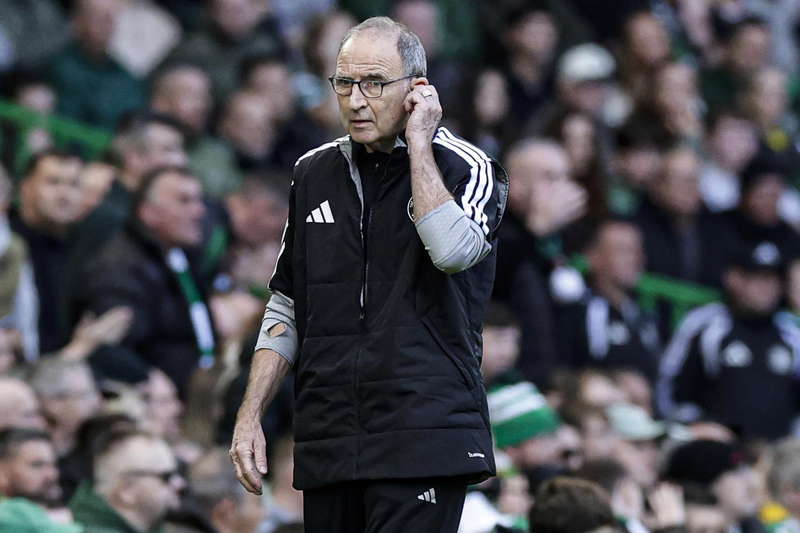
Manager Martin O'Neill's language shifted from diplomatic to direct. "I think maybe we could do with somebody who could put the ball in the net," he said drily, masking frustration. "I'm hoping in the not-too-distant future, maybe in the next couple of weeks, we will have some really decent players. We need a few players. It's as simple as that."
Duran arrived as that first serious answer. His ten minutes against Sporting, substitute appearance and immediate goal, proved what Pessoa had long believed: that the journey was built on something real.
Whether Duran becomes the long-term solution or a stop-gap remains unresolved. His versatility - played both wide and central at Qarabag - means Celtic may deploy him differently than a traditional striker replacement. But the debut suggested that the doubts about his background, his unlikely path, his readiness were easier to voice than to sustain.
FAQ
How did Camilo Duran go from semi-professional to Celtic?
Duran's rise from semi-professional Lusitania in the Azores progressed through Portimonense, then a £200k move to Qarabag 12 months before Celtic. His former coach Ricardo Pessoa emphasises that while Duran possessed extraordinary technical quality, reaching elite level required more than talent - it demanded character, discipline, and willingness to be challenged in training.
Will Camilo Duran replace Kyogo Furuhashi at Celtic?
Duran's goal 10 minutes after coming off the bench against Sporting provided an immediate answer to Celtic's 13-month striker drought. His versatility - played both wide and central at Qarabag - means he may fill different roles than a direct replacement, though whether he becomes the long-term solution remains uncertain.
What did Camilo Duran's debut prove?
His goal in his first appearance for Celtic vindicated both the club's £6m investment and Ricardo Pessoa's conviction that Duran was built for this moment. The debut suggested that doubts about his background and readiness were easier to voice than to sustain.
Written by Sam Whitfield with AI-assisted research, cross-checked against 1 outlet. How we work →