

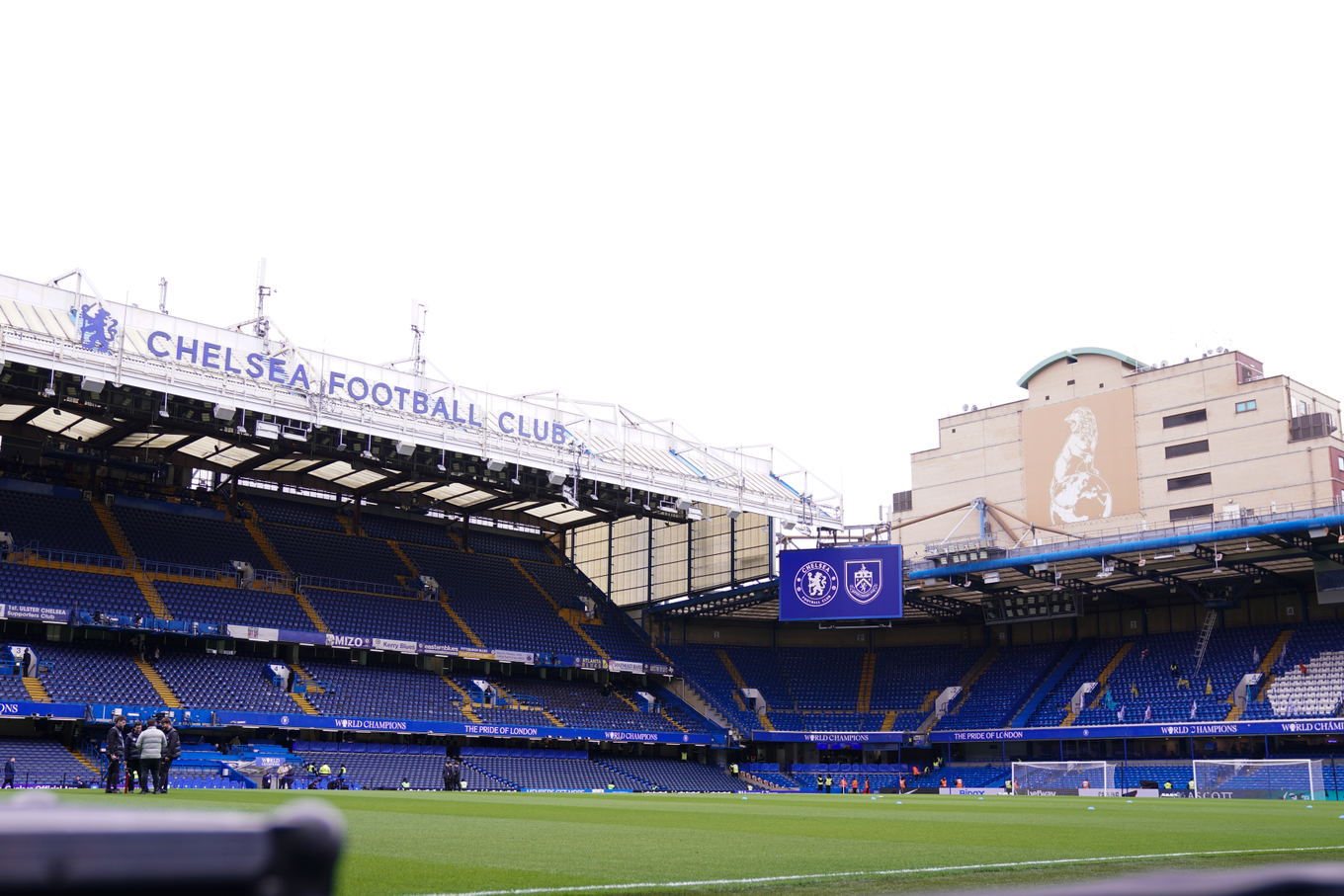
Chelsea's next manager search is less about finding a perfect name than about selling a difficult job. BlueCo have cycled through eight managers in four years, Chelsea finished the Premier League season on 48 points and 9th, and they are heading into a third Champions League absence in four years. That is the backdrop for any serious candidate weighing Stamford Bridge.
Why the job looks so hard
Miguel Delaney put the problem bluntly: "Having cycled through eight managers in four years, BlueCo are again searching for a new man at Stamford Bridge." The scale of the churn matters because it changes how the job looks from the outside. A coach coming in is not just taking over a squad, but also stepping into a structure that has already burned through several resets.
The points total makes the same point in a colder way. Chelsea ended the league campaign on 48 points from 35 matches, sat 9th, and their five straight league defeats did not make the vacancy look more appealing. Those are not the numbers of a club offering clean conditions for a high-level rebuild.
Delaney also said: "Chelsea should have a diminishing appeal. For the third time in four years, they will have no Champions League football." That is the biggest issue for the job. Top coaches can choose more stable projects, and European football usually helps sell them. Chelsea cannot lean on that right now.
Which names actually fit
The brief does not suggest a neat shortlist, and that is part of the point. Cesc Fabregas would be a popular appointment, but the article argues he can wait for bigger openings at Arsenal or Barcelona. Andoni Iraola is credited with great work at Bournemouth, yet he is not likely to return there, which makes Chelsea a harder fit to read than the club might want.
Marco Silva is the most interesting name because Delaney presents him as the likeliest of the named candidates to take the job, and possibly the best Chelsea can get. That is not a glamorous conclusion, but it is probably the honest one. If the club are trying to attract elite-level certainty, the combination of churn, poor results and no Champions League football has left them shopping in a thinner market than usual.
The broader criticism is fair, even if it should not be reduced to one simple culprit. BlueCo have overseen the churn, but the structural damage now sits with the club itself: the repeated sackings, the unstable sporting picture and the absence from the Champions League all sit on the same side of the ledger. Chelsea still have enough pull to tempt candidates, but this is no longer the sort of vacancy that sells itself. The next appointment will tell us a lot about how much damage has already been done.
Written by Jack Mercer with AI-assisted research, cross-checked against 1 outlet. How we work →