

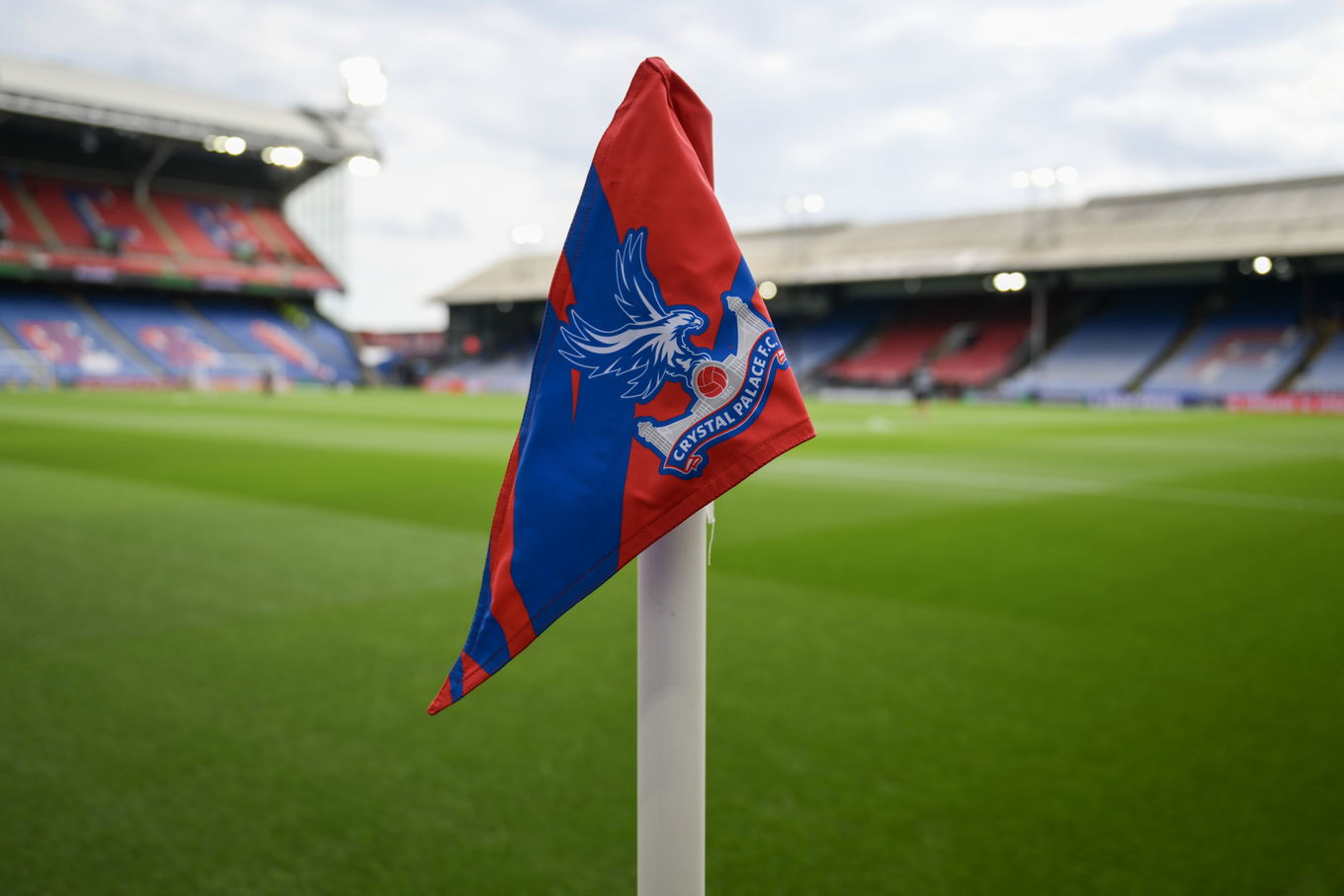
Crystal Palace beat Rayo Vallecano 1-0 in the UEFA Conference League final in Leipzig, with Jean-Philippe Mateta scoring the only goal in the 51th minute after Augusto Batalla spilled Adam Wharton's long-range effort. It gave Palace a first European title, Europa League qualification and a fitting end to Oliver Glasner's time at the club. The margin was narrow, the game was tense, and that suited Palace just fine.
Why Wharton and Mateta decided the final
This was not a final won through constant pressure. Palace had to wait for the game to open up at all. Neither side had a shot on target in the opening phase, which tells you plenty about the tempo and the risk level both teams were willing to accept.
When the breakthrough came, it came through Palace's two most important attacking figures on the night. Wharton stepped forward from range, Batalla could only push the ball out, and Mateta finished from close range. In a game like this, one loose touch from the goalkeeper was enough.
Wharton was central to most of what Palace did well. His 7.3 rating in the final was the best statistical summary of his influence, and he also produced 2 key passes. That matters because Palace's clearest openings did not come from wave after wave of attacks. They came through moments of quality, and Wharton was usually involved.
Mateta, meanwhile, delivered the decisive touch after a fairly modest European scoring run by headline standards. He finished the Conference League campaign with 3 goals and 3 assists in 14 appearances. Those are useful numbers rather than spectacular ones, which actually fits the story of the final. Palace did not need him to dominate the competition. They needed him to take the chance that mattered most.
After the game, Mateta told standard.co.uk: “I feel fantastic! I feel fantastic! We did it! First time in Europe, we did it. Now I just want to celebrate, go to party, and this guy (presenter and Crystal Palace legend Joel Ward) has to celebrate with us too! That is how I feel.”
There was another warning before half-time too, when Tyrick Mitchell headed wide from close range after a Wharton cross. That chance and the goal that followed were part of the same pattern. Palace were not creating in volume, but when they did break Rayo's shape, Wharton was usually the one giving them the chance to do it.
Palace won a final that stayed alive to the end
It would be wrong to frame this as a one-sided performance. Some reporting suggested Rayo Vallecano had the better of possession for long spells, while other coverage leaned more towards Palace's control. The fairer conclusion is that Rayo stayed competitive throughout and never let the game turn into a comfortable night for Palace.
That was obvious in the late chances. Yéremy Pino's free kick hit both posts before Palace regained their composure, a reminder that one-goal finals can swing on inches. Rayo were still in the match right to the end, which is why Palace's resilience deserves as much credit as the goal itself.
Mateta's wider final involvement backed that up as well. He had 3 shots, with 2 on target, so the winner was not a completely isolated contribution. Still, the match was shaped more by fine margins than by attacking flow. Palace took the biggest moment and protected it.
That is probably the most impressive part of the night. A lot of cup finals are remembered for the scorer. This one should also be remembered for Palace's ability to stay compact when the game never really settled for them.
Glasner leaves with silverware and a Europa League place
The result also sharpened the sense of timing around Oliver Glasner's exit. His tenure ended with Crystal Palace winning three trophies in just over a year, which is a serious return by any measure. He leaves with a European trophy and with the club heading into the Europa League.
Glasner put that clearly before the final. Speaking to football.london, he said: “Yesterday they had a nice farewell for me, and then I said a few words. I said that for me, the best thing would be, of course, winning tomorrow - but not for winning tomorrow, but because then they plan European football in the Europa League next year. They would get next year what we should have gotten this year. Then I said I would like to watch on TV that they would start their Europa League with the desire and the confidence that they can win the Europa League as well. This would make me really happy.”
There is a practical side to that as well. Palace had already earned €17.3m (£15.2m) before the final and moved to €24.8m (£21.5m) including the win and Europa League group-stage money. For a team that finished 15th in the Premier League, that is a significant boost.
It also adds a layer of perspective to the season. Domestic form left Palace in 15th, and their Conference League record of 3 wins, 1 draw and 2 defeats was hardly the profile of a side steamrolling the tournament. But knockout football does not ask for style points. It asks for control in key moments, a scorer ready for the rebound, and enough discipline to see out a final when the opposition are still pushing.
In Leipzig, Crystal Palace had all three, and that was enough to beat Rayo Vallecano, lift their first European trophy and send Oliver Glasner off with Europa League football secured.
FAQ
How did Crystal Palace win the Conference League final against Rayo Vallecano?
Crystal Palace beat Rayo Vallecano 1-0 in Leipzig. The final was tight and low on clear chances early on, with neither side registering a shot on target in the opening phase. Jean-Philippe Mateta scored in the 51th minute after Augusto Batalla spilled Adam Wharton's long-range effort, and Palace then held on through late pressure.
Why was Adam Wharton so important in Crystal Palace's European final win?
Wharton gave Palace control in a final that never became open. He posted a 7.3 rating, produced 2 key passes and his long-range shot led directly to the only goal when Batalla spilled it for Mateta to finish. Palace were not dominant, but Wharton was the clearest source of calm and chance creation.
What does Crystal Palace's Conference League win mean for next season?
The win secured Europa League football for Crystal Palace next season. Financially, Palace had already earned €17.3m (£15.2m) before the final and moved to €24.8m (£21.5m) including the victory and Europa League group-stage money. It gives the club a competitive and financial lift after finishing 15th in the Premier League.
Was Crystal Palace's final win a dominant performance over Rayo Vallecano?
No. The verified picture is a cagey 1-0 final decided by one rebound and a few key moments, not free-flowing dominance. Some reports suggested Rayo had the better of possession for long spells, while others leaned the other way. The safer reading is that Palace were resilient and clinical in the key moment rather than clearly superior throughout.
- bbc.co.uk
- dailystar.co.uk
- football365.com
- football-espana.net
- football.london
- goal.com
- independent.co.uk
- si.com
- skysports.com
- sportsmole.co.uk
- standard.co.uk
Written by Jack Mercer with AI-assisted research, cross-checked against 11 outlets. How we work →