Daniel Levy has sold a 24.99% stake in Enic and now retains 4.89%, another clear sign that his Tottenham era has moved into a different phase. He stepped down in September 2025 after 24 years as executive chairman, and this latest ownership shift brings the same question back into focus: how should Tottenham judge a reign that transformed the club off the pitch but delivered only two trophies?
What the Enic sale says about Levy's place now
The deal itself is straightforward in one sense. Levy has reduced his position further, with Eight Sports Capital acquiring a significant part of Enic while he keeps a smaller 4.89% stake.
That matters because it strips away any idea that this is still the old setup with a familiar face simply lingering in the background. Levy is still connected to Enic through that retained stake, but the broader story is about distance, not continuity. He is no longer executive chairman, and the numbers attached to this deal reinforce that.
Eight Sports Capital kept its public message tightly on growth. A spokesperson told BBC Sport: "We are delighted to have signed this agreement to acquire a significant stake in Enic. We look forward to working with the club's shareholders, management, staff, players and fans to support Tottenham Hotspur's continued growth and success."
There is a corporate neatness to that statement, but for Tottenham supporters the real weight of the news sits elsewhere. Levy was the defining executive figure of the modern club for nearly a quarter of a century. Once he steps down and then cuts his stake again, the conversation stops being about what he is building and turns into what he actually left behind.
The stadium is part of the case for him, the trophy count is the case against
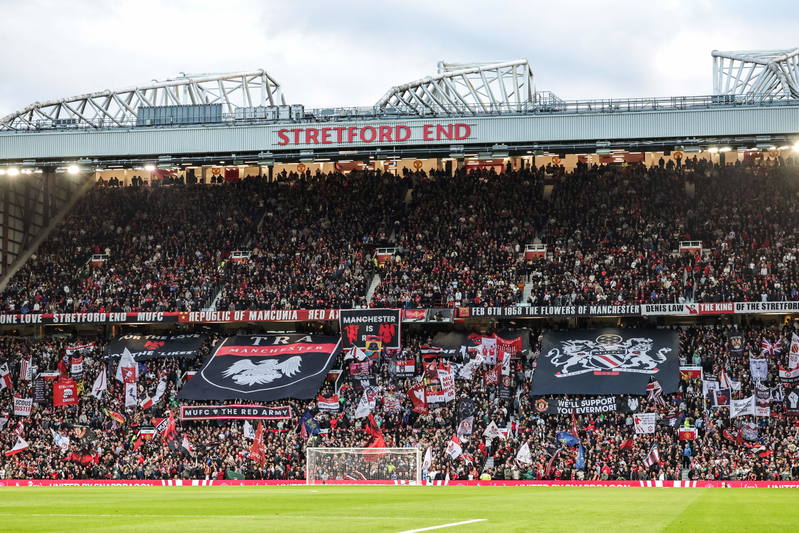
Levy's defenders have a strong point, and it should not be brushed aside. BBC Sport said he was "credited with inspiring Tottenham's state-of-the-art training ground and magnificent 62,850-capacity stadium, the second biggest club ground in England behind Old Trafford."
That is not a small part of his legacy. It is a central one. Tottenham look and operate like a modern super-club in terms of infrastructure, and that did not happen by accident.
But football executives are not judged only on buildings, naming-rights opportunities or long-term asset value. The unavoidable number from Levy's 24 years is two. Tottenham won only the 2008 EFL Cup and last season's Europa League during his tenure.
That is why the debate around him has always been so sharp. If you value stability, commercial growth and elite facilities, the case for Levy is easy enough to make. If you start with what supporters actually celebrate, silverware, then the record looks underwhelming for a club that spent so long talking and acting like it belonged among the biggest sides.
My view is that the infrastructure case is real, but it cannot fully cover the football shortfall. A 24-year tenure at a club of Tottenham's scale should have produced more than two trophies. That does not erase what Levy built, but it does limit how warmly his reign will be remembered.
Tottenham's current position only makes the contrast sharper
The timing of this ownership update is awkward for a reason. Tottenham are 17th in the Premier League with 38 points after 37 games. Their last five league results are L-D-W-W-D, which is neither collapse nor recovery, just a team still stuck in an uneven season.
The European picture is better. Tottenham are 4th in the Champions League group on 17 points from 8 matches, a reminder that the club's wider competitive profile has not been as one-dimensional as the league table suggests.
Even so, the domestic standing gives this story a harsher edge. Levy's entire time at the club was often sold as a long project to put Tottenham in position to compete consistently at the top. Seeing the club 17th in the league while his ownership stake shrinks is bound to intensify the feeling that the off-field rise and the on-field return never properly matched.
That is the lasting tension around his time in charge. Levy leaves behind one of the biggest stadiums in England, a modern training ground and a club that has been reshaped financially and physically. He also leaves a football record that remains thin for a 24-year run.
The sale of 24.99% of Enic does not settle that argument, but it does mark another step away from the era when Levy could still claim to be shaping Tottenham's direction from the front. What comes next for the club will be judged without him as executive chairman, and his own balance sheet at Spurs now reads 4.89%.
FAQ
Why did Daniel Levy's latest Enic deal matter for Tottenham?
It matters because Levy sold a 24.99% stake in Enic and now retains 4.89%, another clear marker that his Tottenham era has moved on after he stepped down in September 2025. The deal also refocuses attention on what his 24 years delivered: major infrastructure growth, but only two trophies.
What was Daniel Levy's legacy at Tottenham on and off the pitch?
Off the pitch, Levy was closely associated with Tottenham's modern training ground and the 62,850-capacity stadium, described by BBC Sport as the second biggest club ground in England behind Old Trafford. On the pitch, the return was far thinner, with only the 2008 EFL Cup and last season's Europa League won during his tenure.
Who bought the stake in Enic from Daniel Levy?
Eight Sports Capital acquired the 24.99% stake in Enic. A spokesperson told BBC Sport the group was delighted to sign the agreement and looked forward to working with the club's shareholders, management, staff, players and fans to support Tottenham's continued growth and success.
How are Tottenham performing as the ownership story changes?
Tottenham are 17th in the Premier League with 38 points after 37 games, and their last five league results are L-D-W-W-D. Their European picture is stronger, with the club 4th in the Champions League group on 17 points from 8 matches.
Written by Jack Mercer with AI-assisted research, cross-checked against 1 outlet. How we work →