

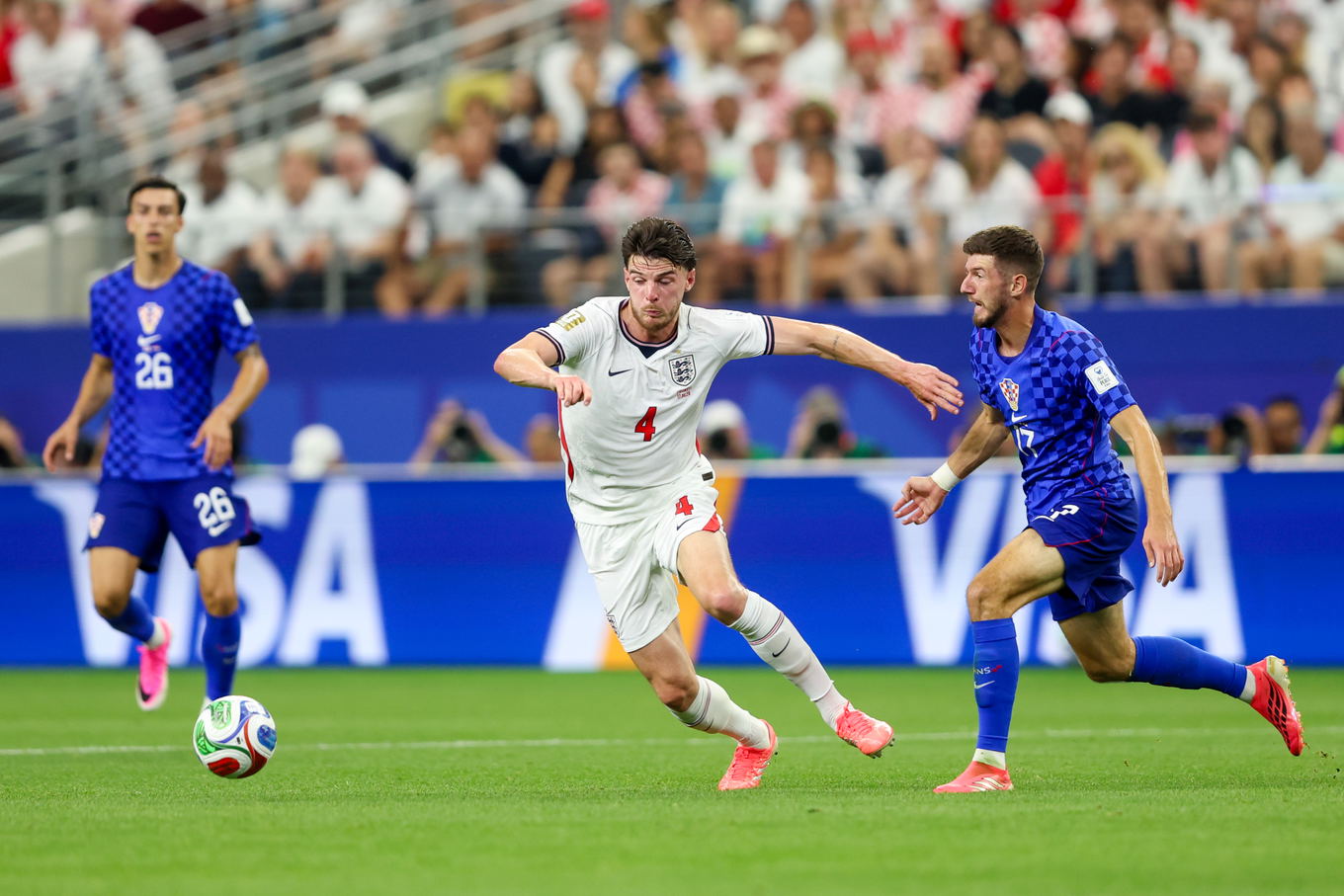
Declan Rice goes into the World Cup with vice-captain status, almost 3,100 Premier League minutes and a louder leadership conversation around him than ever. Thomas Tuchel has already told him he was in the role, Mikel Arteta has praised the way he owns difficult moments, and Stuart Pearce wants even more from him.
Why Rice's Arsenal season changed the conversation
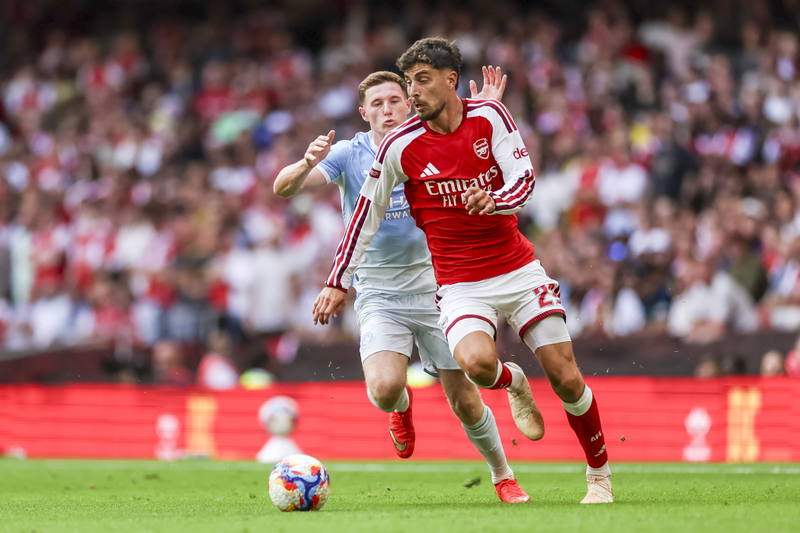
Rice played 36 Premier League matches, started 35 and was only outpaced for minutes at Arsenal by David Raya, which gives a fair sense of how heavily trusted he was in a title-winning season. That kind of workload matters because it feeds directly into the way England now see him, not just as a midfielder who covers ground and wins duels, but as someone expected to carry responsibility.
Arteta put that more plainly than most. He said Arsenal players made the decision for Rice to take the armband in difficult moments, and that he had earned the status through the way he took ownership. Rice has also spoken about the grind, saying, "I'm shattered, it's non-stop. We're in all the competitions still, so it's been every three days since October. Everyone asks where I get my energy from. I just get this second burst of energy."
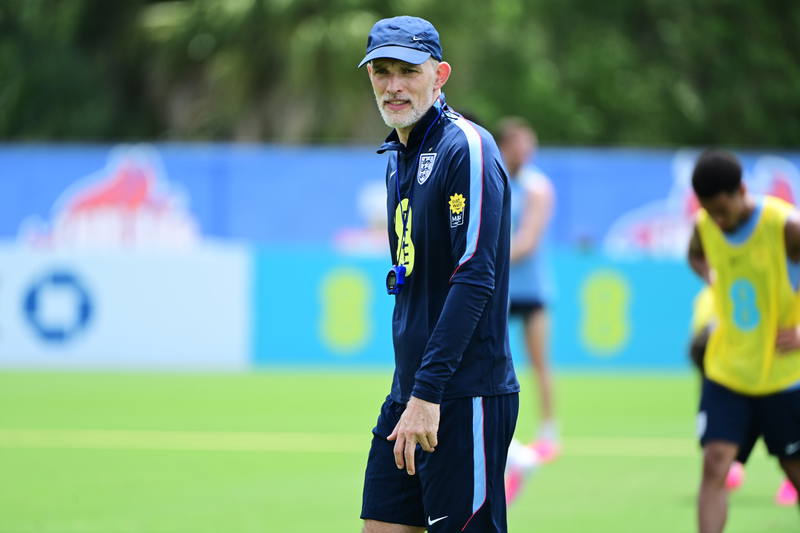
Tuchel's stance adds another layer. He said he told Rice he would be vice-captain when Harry Kane was not in camp, which is a useful detail because it shows the England staff are already treating him as part of the leadership structure rather than a background piece.
Rice's own case is helped by form as well as status. He scored the opening goal in England's 3-0 warm-up win over Costa Rica, and his latest league outing brought an 8.3 rating.
Why Pearce still wants more from him
Pearce is not questioning Rice's quality. He is asking for another layer. His point was that top players are nice to a certain degree, but on the pitch they need a steely determination to get where they want to go. He added that with Rice, you look at his physical prowess and his ability on the ball and think, "Maybe a little bit more."
That is a fair challenge. Rice has already done the hard part, becoming one of the most trusted players in England and one of the most important in an Arsenal side that leaned on him heavily. The next step is about authority, not just availability. England do not need him to be loud for the sake of it, but they do need him to impose himself when games tighten up.
That is why the leadership debate feels more relevant than a simple form check. Rice has the minutes, the vice-captaincy and the backing from two people who matter most in this conversation. If he adds the edge Pearce is asking for, England's World Cup picture gets stronger before a ball is even kicked.
He will be judged on the pitch first, starting with England's tournament opener.
FAQ
Why is Declan Rice being talked about as England’s next captain?
Rice has been named vice-captain by Thomas Tuchel, and Mikel Arteta said Arsenal players chose him to take the armband in difficult moments. He also played 36 Premier League matches, started 35 and logged almost 3,100 minutes, which is the kind of workload that tends to shape leadership arguments.
How important is Declan Rice to England at the World Cup?
Rice arrives with momentum and status. Tuchel has backed him as vice-captain, Arteta praised the way he has taken ownership, and Stuart Pearce wants even more from him. The debate around Rice is no longer just about being a reliable starter, it is about how much control he can take.
What has Thomas Tuchel said about Declan Rice’s leadership?
Tuchel said he told Rice he would be vice-captain when Harry Kane was not in camp. That sits alongside Arteta’s view that Rice earned leadership status by taking ownership in difficult moments. The picture is of a player being trusted with more responsibility by both club and country.
Written by Jack Mercer with AI-assisted research, cross-checked against 4 outlets. How we work →