

England went to Miami and took a 6-4 lead into half-time against France in a third-place playoff that looked comprehensively decided. By the 66th minute of the second half, France had scored four times to level at 4-4. By the final whistle, Bukayo Saka had won and converted a penalty, Jude Bellingham had scored from a late counter-attack, and England had claimed their best men's World Cup finish in 60 years with a 6-4 victory.
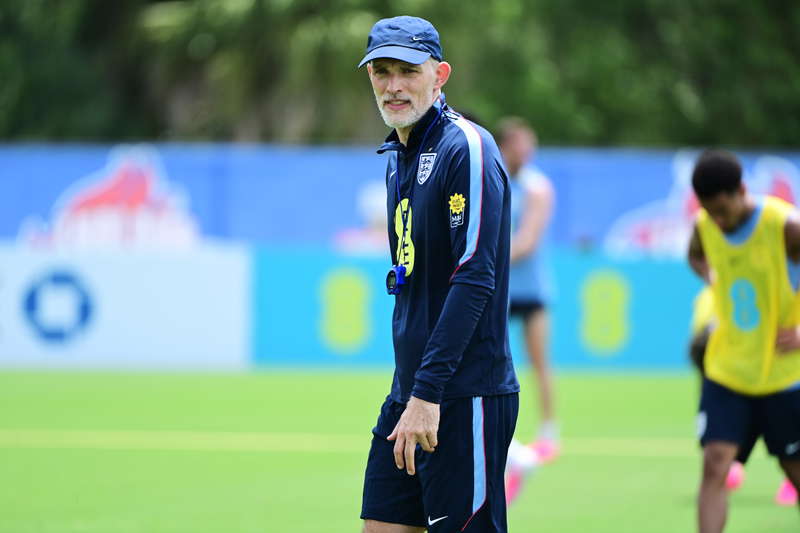
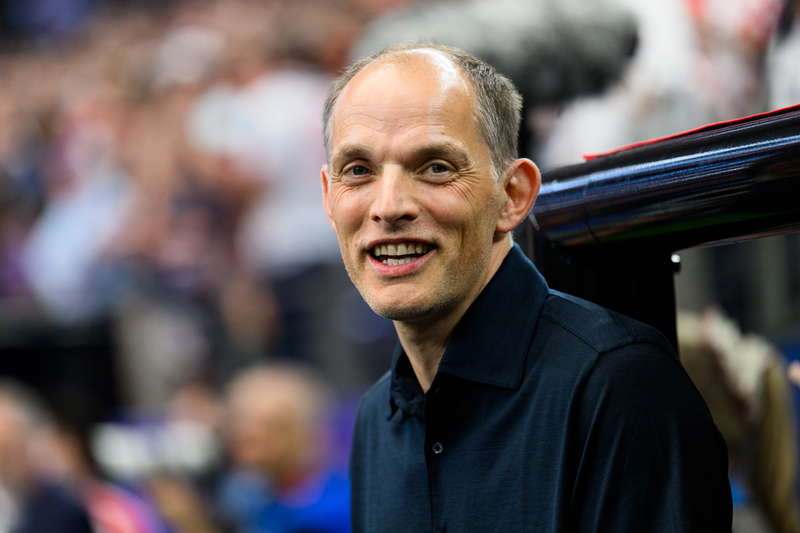
The match unfolded as two separate contests separated by an interval. Thomas Tuchel's side delivered clinical dominance in the first half, then absorbed a relentless French comeback without losing their nerve. What England demonstrated over 98 minutes was not defensive mastery but composure under duress - the quality that separates a tournament milestone from a cautionary tale.
England's first-half demolition
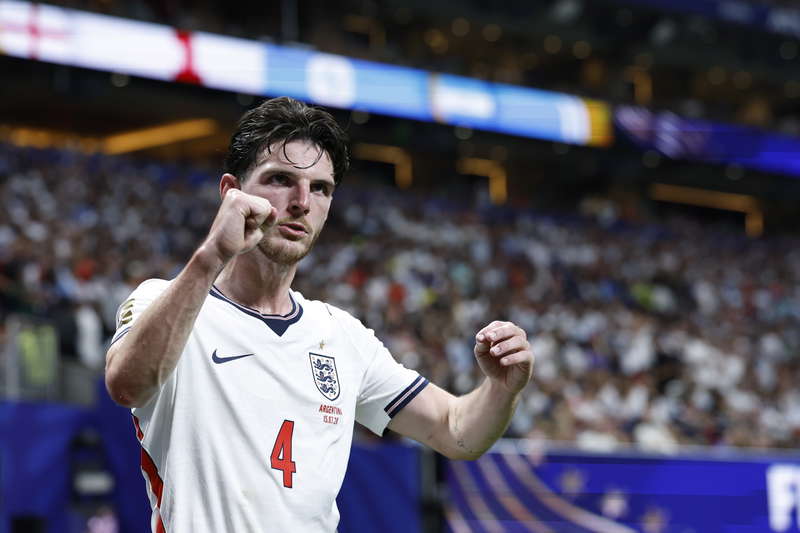
Declan Rice opened the scoring in the third minute with a long-range strike, England's earliest goal in a competitive fixture since Luke Shaw's second-minute finish in the Euro 2020 final against Italy. The early breakthrough set a tone that England maintained through the opening 45 minutes with methodical precision.
By half-time, England had four. Ezri Konsa headed in from a Rice corner. Saka finished from a Rashford counterattack. Then Saka converted an Eze through ball with clinical conviction. The sequence reflected not just individual quality but systematic dominance. Rice's midfield control anchored every phase of England's play. He finished the full match with 91 passes (the highest for England), one goal, one assist, seven tackles and nine duel wins. His 9.3 rating established England's authority in possession, a stability that would prove vital when France threatened the defensive shape in the second half.
England's approach in possession was straightforward: control transitions, convert chances when they arrived, maintain shape through Rice's distribution. "France are being taken apart by England," observations went during the first 45 minutes. It seemed reasonable at the time. A 4-0 half-time lead typically settles matches at this level.
France's scoreboard assault
Deschamps made three substitutions at the interval. The tactical shift was immediately apparent. Kylian Mbappé scored in the 48th minute. Bradley Barcola equalised in the 54th. Mbappé struck again in the 66th. Ousmane Dembélé finished in the 90+6th - four goals in 20 real-time minutes, transforming a comfortable England lead into a 4-4 scoreline.
Mbappé's dominance across the full 98 minutes was extraordinary. He posted a 9.9 rating, the highest on the pitch, with two goals, an assist, six shots (four on target), 31 passes, two key passes, 15 duels contested and two dribbles completed. That output extended his World Cup tally to 10 goals, equalling Gerd Müller's single-tournament record from 1970 and the most ever scored by a Real Madrid player at a World Cup. Lionel Messi's earlier 8-goal total was left behind. Yet despite Mbappé's brilliance and France's transformed structure, England's composure held.
Saka's nerve and Bellingham's finish
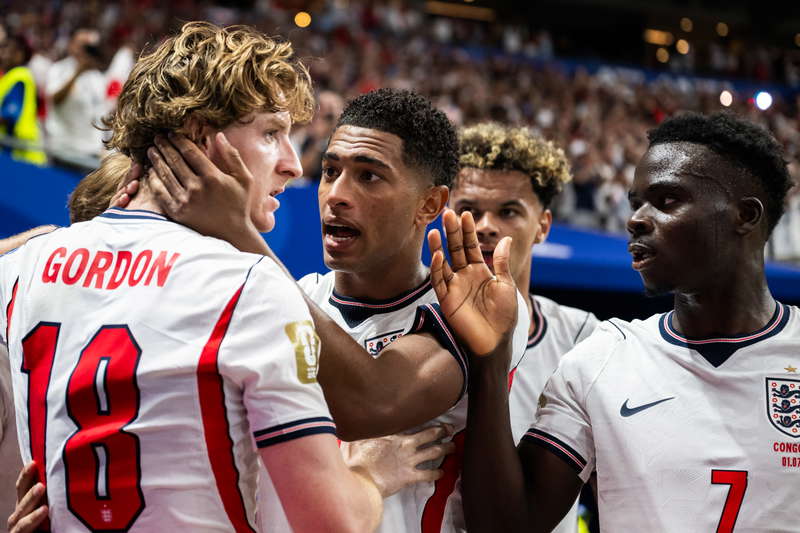
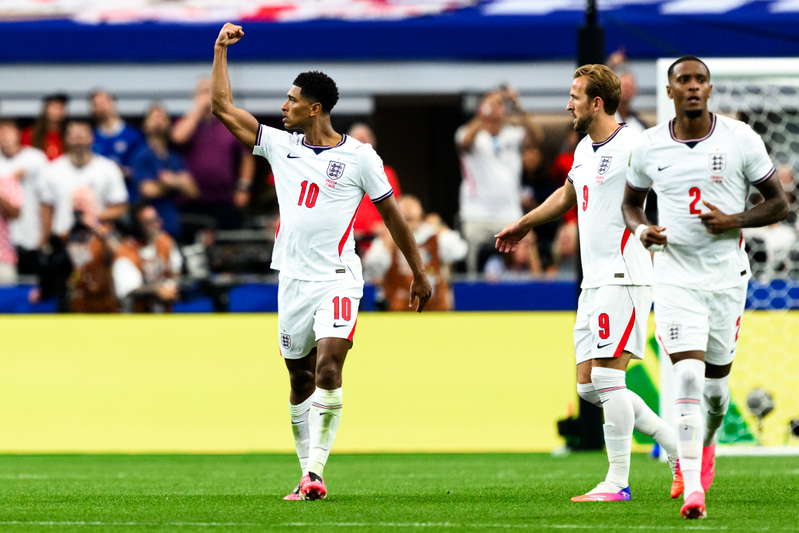
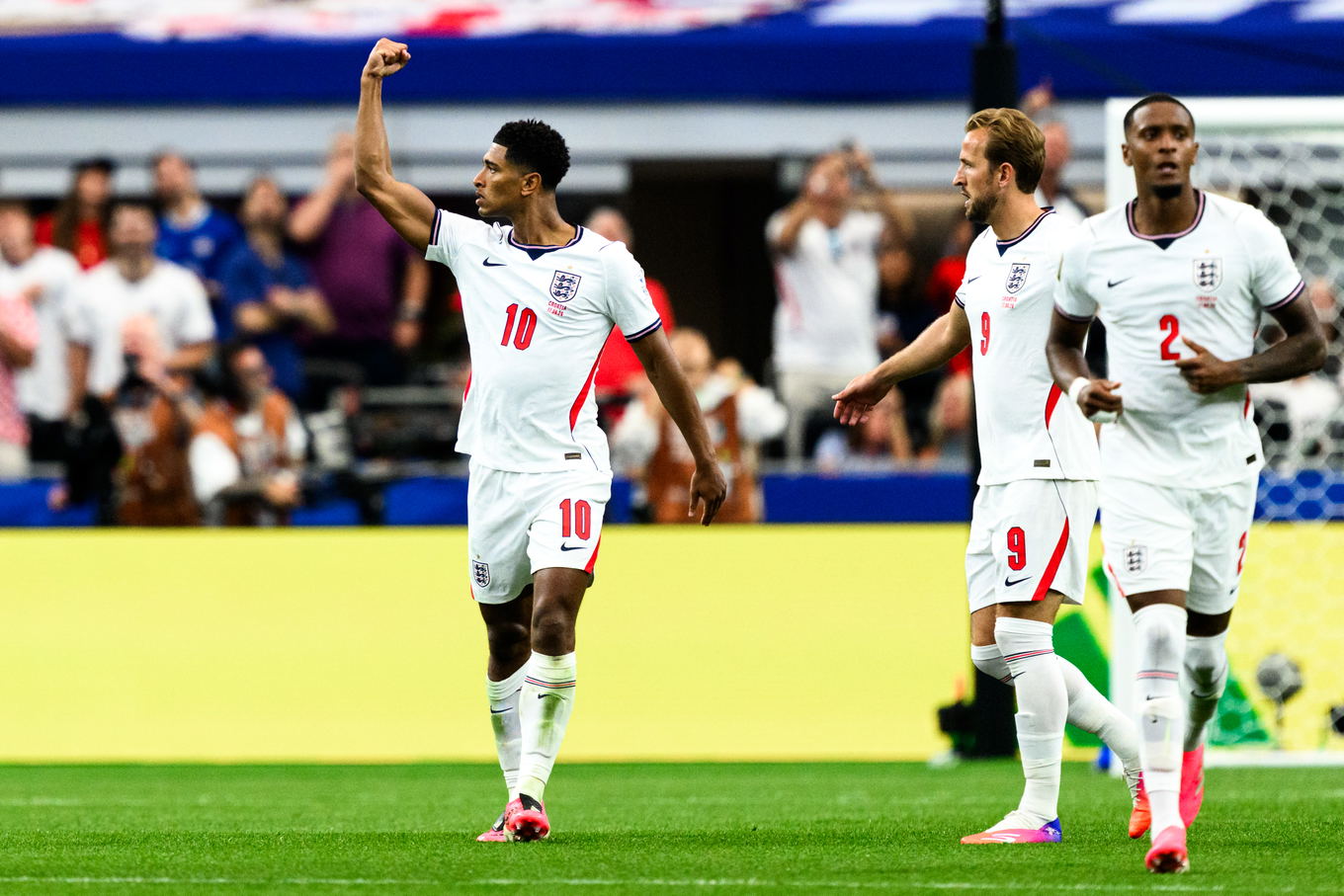
Saka won a penalty in the 87th minute, converting with the composure of a player who had taken four shots in the match - all on target, three finding the net before stepping to the spot. Her execution made it 5-4. The decisive moment came in the 90+8th minute when Bellingham won possession in midfield, drove forward alone against tiring French defenders, and finished with precision that ended any hope of a French reversal. His tournament total reached seven goals, third-highest in the competition.
The momentum shifted with each goal - France surging then England responding, the balance precarious enough that a single miss could have altered everything. What separated England from becoming a tournament curiosity was their composure when France could reasonably believe in a miraculous turnaround. Bronze is a notable achievement, but the 6-4 victory is England's best men's World Cup finish since 1966, a 60-year milestone that validates Tuchel's pre-match tactical approach despite the criticism of his squad rotation choices.
FAQ
Why did France almost come back from 4-0 down in the World Cup bronze final?
Didier Deschamps made three substitutions at half-time, immediately transforming France's attacking structure. Kylian Mbappé and his teammates scored four goals in 20 real-time minutes - Mbappé twice (48', 66'), Bradley Barcola (54'), and Ousmane Dembélé (90+6') - to level at 4-4 before England scored twice more to win 6-4.
Did Bukayo Saka score a hat-trick in the World Cup bronze final?
Yes. Saka scored three goals in the match against France: one from a Rashford counterattack, another from an Eze through ball, and a third from a penalty conversion in the 87th minute. All four of her shots in the match were on target.
How many goals did Kylian Mbappé score in the World Cup 2026?
Mbappé scored 10 goals across the tournament, equalling Gerd Müller's single-tournament record from 1970 and the most ever by a Real Madrid player at a World Cup. He claimed the Golden Boot despite France finishing third.
What was Jude Bellingham's role in England's World Cup bronze victory?
Bellingham scored the decisive goal in the 90+8th minute with a solo counter-attack finish, giving England a 6-4 lead that ended any French hope of a miraculous turnaround. His tournament tally reached seven goals, third-highest in the competition.
- bavarianfootballworks.com
- bbc.co.uk
- bundesliga.com
- caughtoffside.com
- goal.com
- independent.co.uk
- managingmadrid.com
- rte.ie
- si.com
- skysports.com
- sportsmole.co.uk
- standard.co.uk
Written by Jack Mercer with AI-assisted research, cross-checked against 12 outlets. How we work →