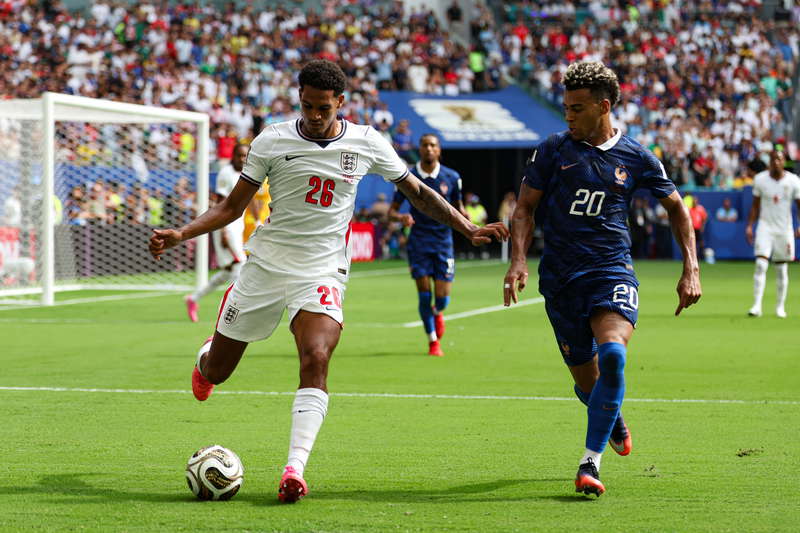


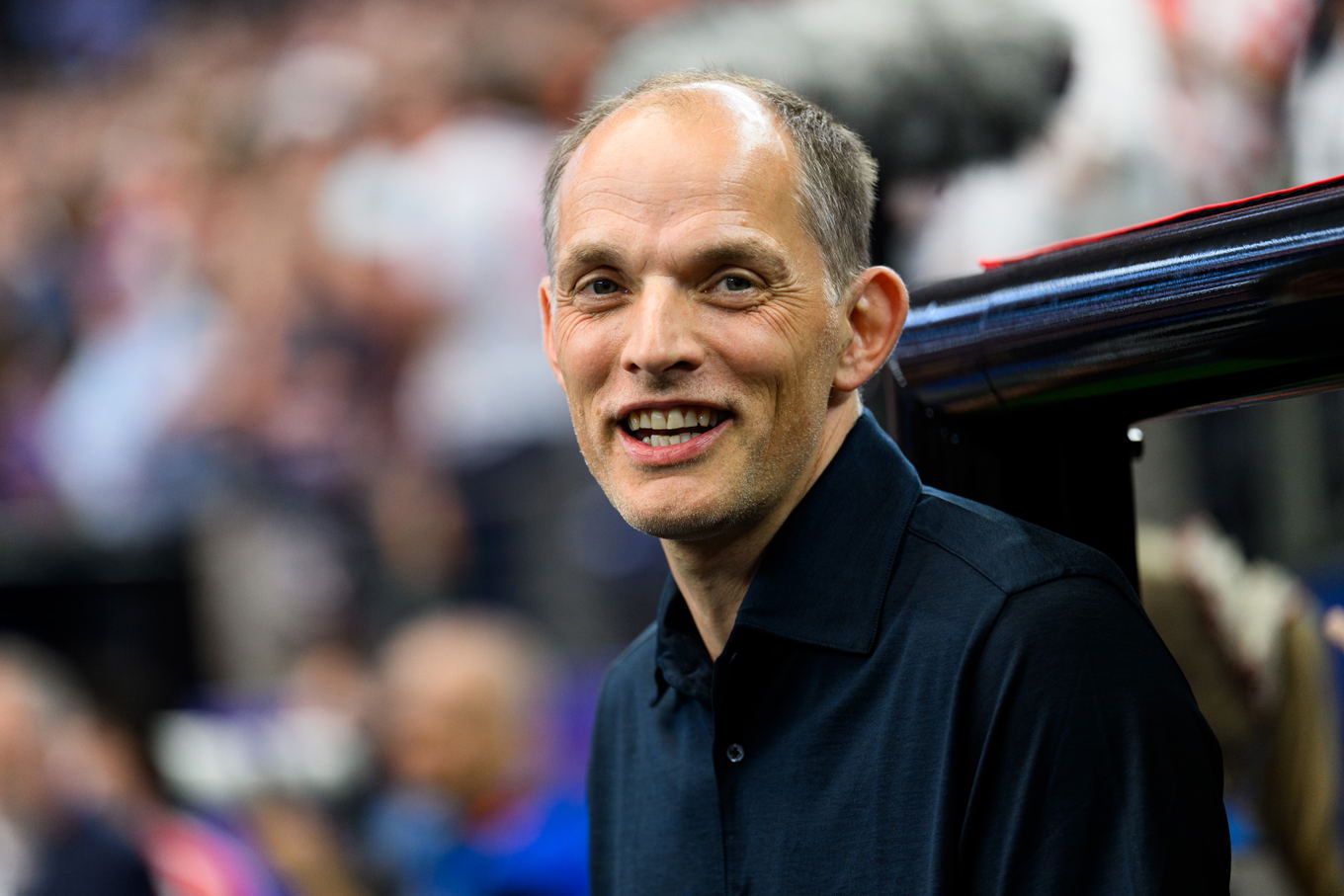
England had 54 per cent possession at the tournament. Spain had 63 per cent. That gap sums up the bigger issue facing Thomas Tuchel before Euro 2028: this is not really a talent search, it is a squad rebuild around players who may still help in the short term but cannot all remain the default by the time a home tournament arrives.
Tuchel's contract lasts for another two years, which gives him time to reshape the team. It is a more useful runway than the 18-month deal he began with, a setup that encouraged short-term thinking and made it easier to prioritise survival over a longer reset.
The age profile England cannot ignore
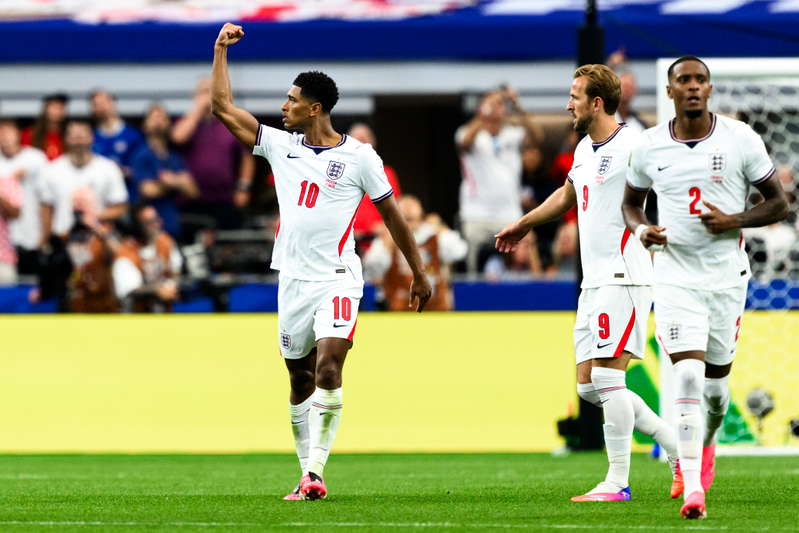
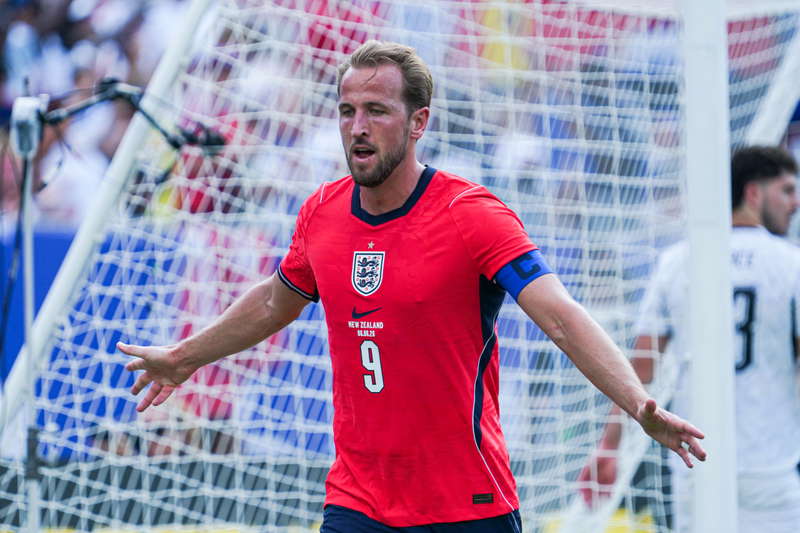
The obvious example is Harry Kane. He will turn 35 soon after Euro 2028, which does not rule him out, but it does change the conversation. England can still build with Kane in mind now, yet treating him as an automatic focal point for a tournament three summers away would be a gamble rather than a plan.
The same applies to the rest of the older group. Dan Burn would be 36 at Euro 2028 and Jordan Henderson would be 38. John Stones is already 32 and club-less. None of that means these players stop being useful overnight. It does mean Tuchel has to reduce dependence on them, because England's strongest chance of peaking in 2028 probably comes with a younger core around whatever experience survives the cut.
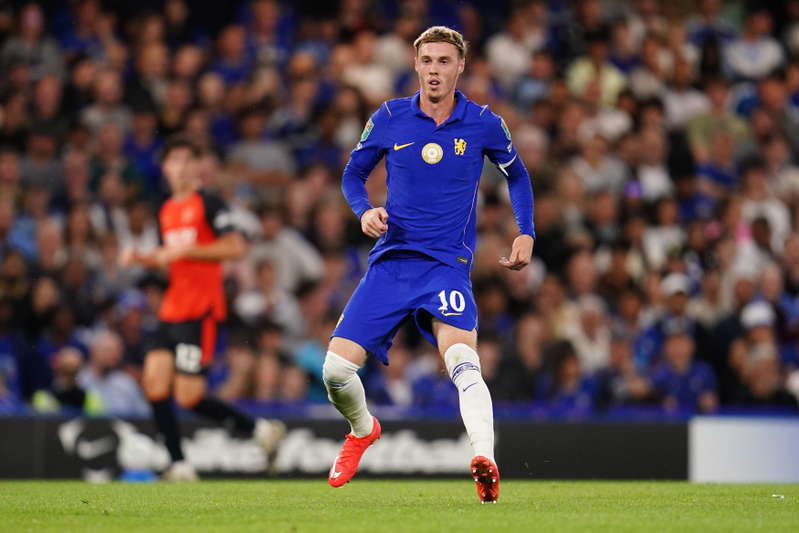
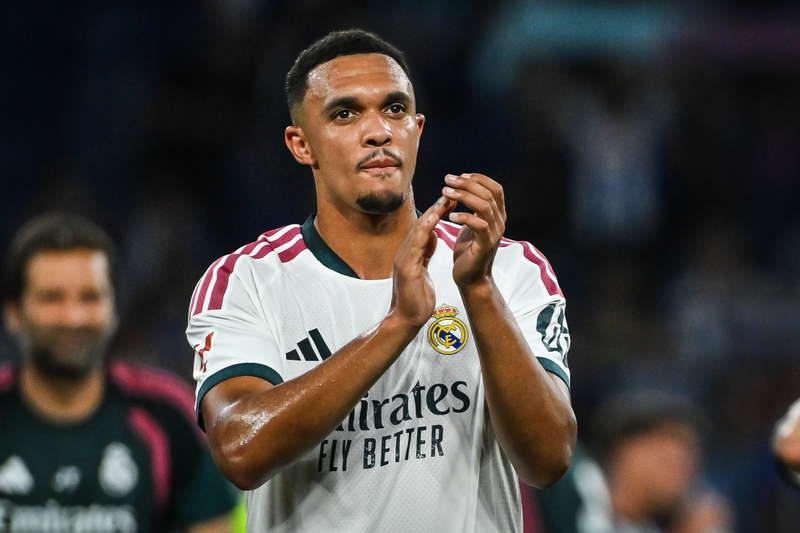
That is why the names lower down the age curve matter more than nostalgia. Trent Alexander-Arnold, Phil Foden and Cole Palmer are the sort of players England need to shape around, not just fit in where possible. The argument here is not that older players have no place. It is that too many of them in key roles would leave England chasing a tournament with yesterday's spine.
Control on the ball still needs work
The possession numbers are not a small detail. England's 54 per cent share compared with Spain's 63 per cent points to a side that still lacks the level of control usually associated with the best international teams. For a manager with only two years left on his current deal, that should sharpen the next stage of the rebuild.
A younger team does not automatically become a better one, but it should give Tuchel more room to push the side toward a clearer long-term style. If England are going to host Euro 2028 with realistic ambitions of winning it, they need more than decent names and tournament know-how. They need a team that can command games more consistently than they have done.
Tuchel has already made clear he wants to stay on. “Thomas Tuchel wants to carry on as England manager,” he said, via independent.co.uk. The FA are aligned with that as well: “The FA want him to continue.” Continuity helps, but only if it leads to actual change in the squad profile and in how England control matches.
The next two years are the real window
This is why Euro 2028 should be framed as a refresh, not a straight extension of the current cycle. England are not short of quality, and that is the encouraging part. The harder call is deciding how much mileage is left in the experienced core, especially when Kane remains so central and there is no easy way to phase out big figures all at once.
Tuchel has time, but not much room for drift. England's next two years need to be about building a younger core and a more commanding team, because by the time Euro 2028 arrives, the ages of Kane, Henderson and Burn will not be theoretical any more.
FAQ
Will England need a younger squad for Euro 2028?
Yes, that looks like the main issue. England already have plenty of talent, but Thomas Tuchel has to decide how much of an ageing core he can still carry into Euro 2028. Harry Kane will turn 35 soon after the tournament, while Dan Burn would be 36 and Jordan Henderson 38, which points toward a needed refresh rather than simple continuity.
Why is Thomas Tuchel's England future important for Euro 2028?
Tuchel's future matters because he has enough time to reshape the side. He began with an 18-month contract, which encouraged short-term thinking, but his deal now lasts for another two years. He has also said he wants to carry on as England manager, and the FA want him to continue.
Is Harry Kane still central to England's Euro 2028 plans?
For now, yes. Kane is still the symbolic centre of England's attack, but age is the issue hanging over the next cycle. He will turn 35 soon after Euro 2028, so England need to prepare for a tournament where he may still matter a lot without being treated as a long-term certainty.
What does England's possession record say about Euro 2028?
It suggests England still need more control. Their share of possession in the tournament was 54 per cent, compared with Spain's 63 per cent. That gap supports the view that Euro 2028 is not only about picking younger players, but also about building a side with more command of the ball.
Written by Jack Mercer with AI-assisted research, cross-checked against 1 outlet. How we work →