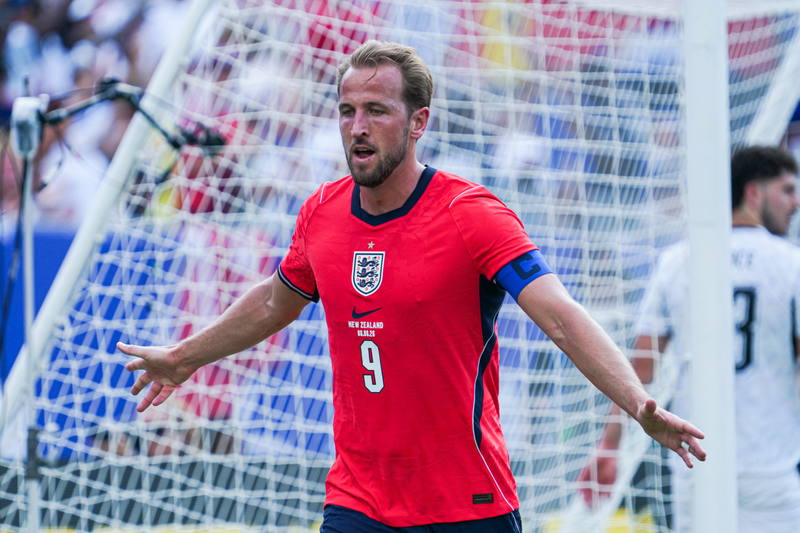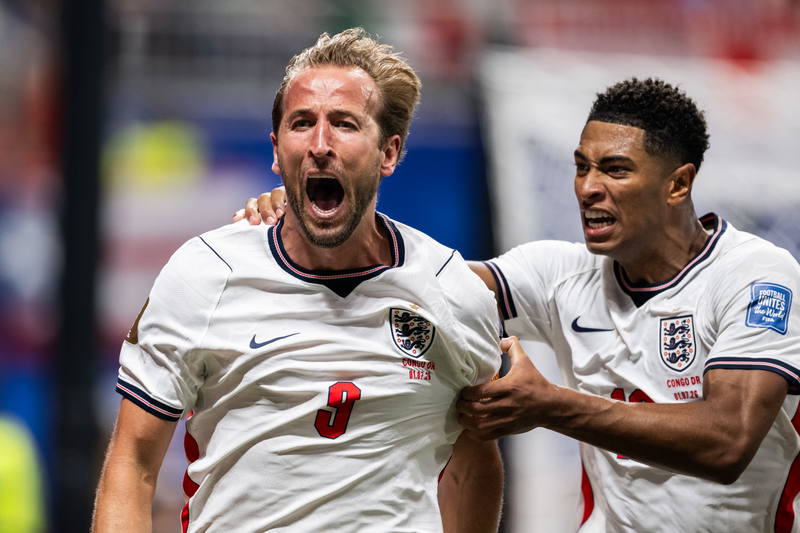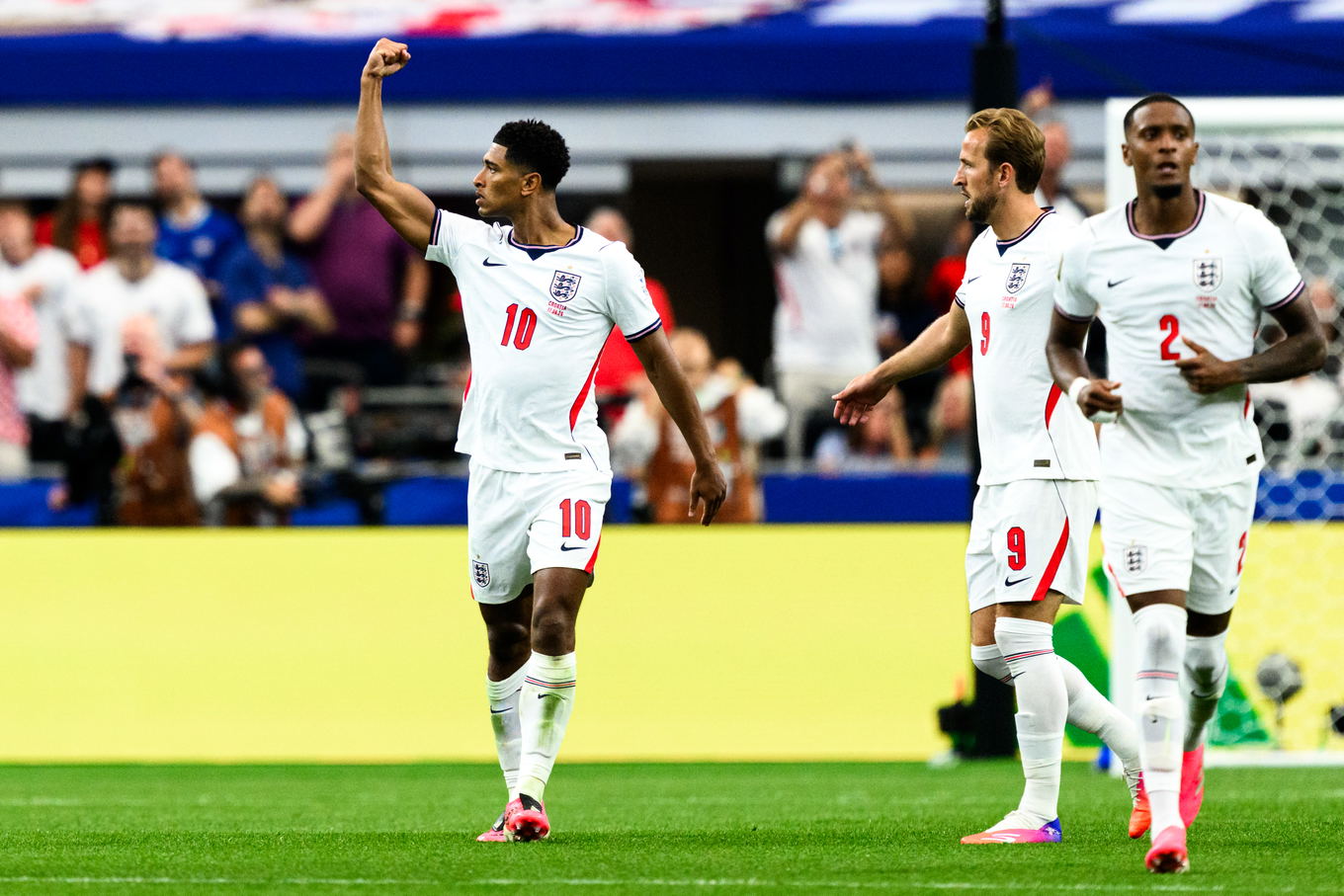
England's use of Chase the Sun has turned an opening win over Croatia into a broader story about how the World Cup is handling goal music. Planet Funk's track was played four times during England's 4-2 victory, and fans were still singing along when it was not being played. The song was already a darts anthem, but it has quickly become the most recognisable part of England's tournament start.
Why Chase the Sun stood out in England's opener
The BBC Sport line says supporters, particularly those with a soft spot for darts, had the privilege of hearing Planet Funk's track four times on Wednesday night during England's 4-2 win over Croatia in their opening match. That is the clearest reason the song has cut through. It did not just accompany the goals, it became part of the noise around them.
The important point is that the song was chosen by England and then picked up by supporters. It is fair to call it a darts anthem, and it is also fair to say it has now become a football celebration song as well. Those labels are not mutually exclusive here, they are just both true to what happened in Dallas.
FIFA's new rules are changing the tournament sound
The bigger picture is that this is not just an England quirk. FIFA has introduced stadium audio regulations for the 2026 World Cup that permit all participating national associations to submit personalised selections. FIFA asked each of the 48 nations to select two songs, one for goals and one for victory celebrations.
That has already produced a mixed soundtrack across the tournament. Scotland chose I'm Gonna Be (500 Miles), Australia chose Thunderstruck and the United States chose a remixed version of Free Bird. BBC Sport also reported that 40 of the 48 nations scored at least once in the first full round of group-stage fixtures, which means the goal-song idea has had plenty of chances to be heard.
For England, though, Chase the Sun is the one that has taken hold fastest. Four goals brought four plays of the same track, and it has already spread beyond the speakers because England fans were singing it themselves. That is the part that makes it feel more than a novelty. It has become part of the matchday experience, and it did so immediately.
With England top of Group L after one match, the song will get another run if the goals keep coming. For now, the clearest sign of its reach is simple: it has already moved from darts culture into the middle of England's World Cup story.
Written by Jack Mercer with AI-assisted research, cross-checked against 2 outlets. How we work →