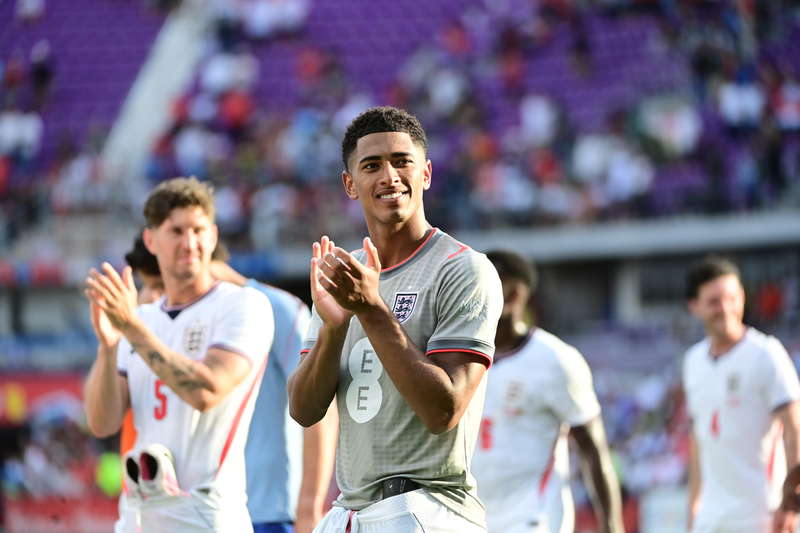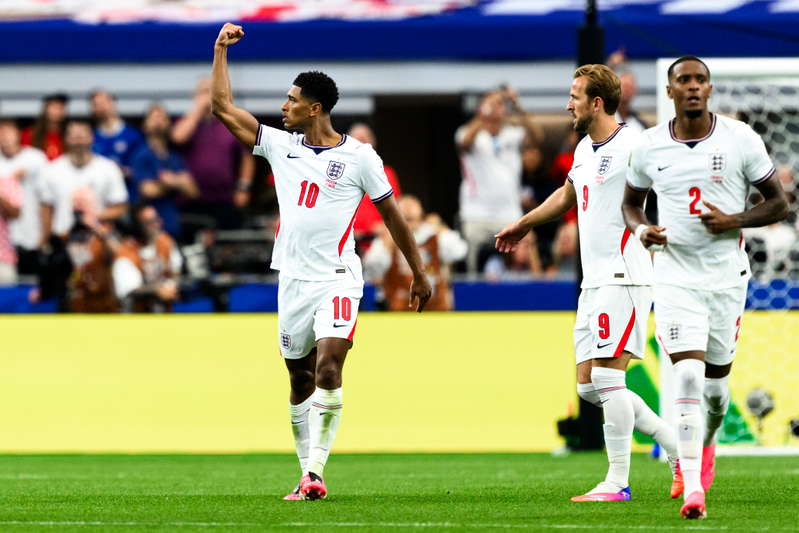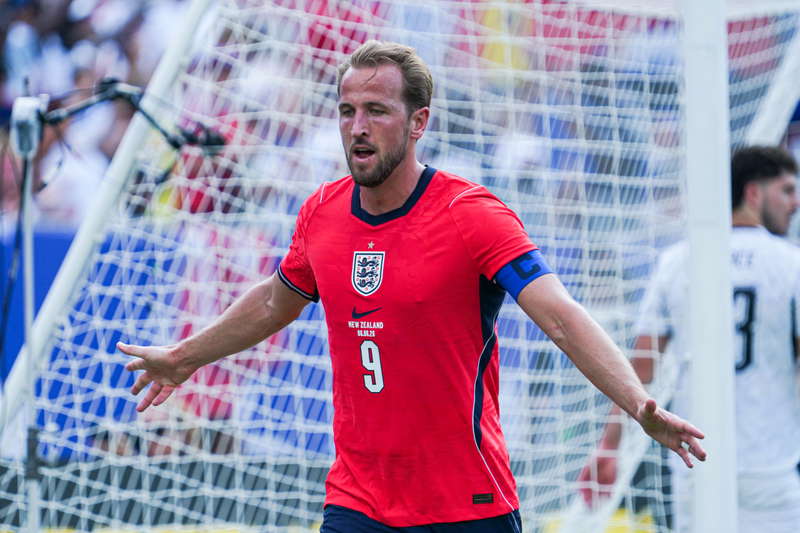



England had the game where they wanted it once Anthony Gordon scored in the 55th minute. Then they stopped holding the ball. Between taking the lead and Lautaro Martínez's winner nearly 40 minutes later, England had only 12% possession against Argentina, and that number gets to the heart of the semi-final more than any line about bad luck or cruel timing.
Tuchel's late changes did not single-handedly cause the comeback, and Argentina had enough quality to force pressure anyway. But the clearest tactical reading is that England retreated too early, lost their outlet, and handed the semi-final to a side full of players ready to punish passive football.
Tuchel's late switch
The key moment was not just Argentina scoring late. It was England choosing to protect the lead by changing the shape and the profile of the team. Tuchel replaced Gordon with Ezri Konsa with 18 minutes left and switched to a back five, removing the scorer and one of England's best runners in the same move.
That matters on a basic level of pitch geography. Gordon had given England depth and a way out, especially when the ball was turned over. Once he went off, England had less threat in transition and less reason for Argentina to worry about leaving space behind them. The result was wave after wave of pressure, with England pinned deeper and deeper.
The 12% possession spell is brutal because it shows the retreat was not a short defensive phase. It became the game. England were no longer managing a lead, they were surviving, and against this Argentina side that is a poor trade.
Enzo Fernández and Lautaro were exactly the kind of players you do not want attacking a defence that has stopped moving up the pitch. One keeps the tempo and feeds second phases, the other attacks the moment hesitation appears in the box. England's tactical decision gave Argentina more of those moments than they had enjoyed earlier in the match.
The late use of Ivan Toney sharpened the criticism. He came on in the 96th minute for his first appearance of the tournament, which felt more like a gesture than a genuine attacking adjustment. By then, England had already spent too long without an out-ball.
England's attack was too narrow to survive a retreat
This tournament had already shown how concentrated England's attacking threat was. They scored 13 goals, and 12 of them came from Harry Kane and Jude Bellingham. That kind of split can work when the team keeps feeding its best players in useful areas. It becomes a problem when the whole side drops off and stops building attacks at all.
Gordon's role mattered here because he offered something different from the Kane and Bellingham axis. He stretched games, carried the ball and gave England a route up the left when the central lanes were crowded. Taking him off reduced England's variety at the exact point the match needed it most.
That does not mean Argentina's comeback was only about England's choices. Their quality and momentum were real parts of the story, and any honest read has to leave room for that. Still, England made the comeback easier to stage by withdrawing from the contest instead of trying to keep the ball 30 yards higher.
The defeat still leaves a younger core to build around
This will be filed as one of England's painful World Cup exits, though the argument over where it ranks among the worst is more subjective than useful. What is clearer is that the tournament still left a younger group with credit.
Six England players aged 25 or younger were highlighted for solid displays: Gordon, Bukayo Saka, Elliot Anderson, Nico O'Reilly, Djed Spence and Morgan Rogers. For all the frustration around the semi-final, that list gives Tuchel something real to work with in the next cycle.
Gordon, the Newcastle forward, has made his own position on England clear. He told independent.co.uk: "It was never a thought for me. That's no disrespect to Scotland, that's all. I've been tunnel-visioned on playing for England since I was five or six years old. Nothing could ever shake that off."
That does not soften the tactical mistake in this match. England were five minutes from a men's World Cup final before the game tilted away from them, and the late retreat will stay at the centre of the post-mortem. The semi-final ended with England protecting less and conceding more, after a 12% possession stretch they never recovered from.
FAQ
Why did England lose control against Argentina after taking the lead?
England lost control because the game tilted sharply after Anthony Gordon's opener. Tuchel replaced Gordon with Ezri Konsa with 18 minutes left and switched to a back five, while England had only 12% possession between going ahead and Lautaro Martínez's winning goal nearly 40 minutes later. Argentina's quality still mattered, but England's retreat helped hand them the initiative.
Did Thomas Tuchel's substitutions cost England the World Cup semi-final?
The substitution pattern is the strongest tactical explanation, even if it should not be treated as the only cause. Tuchel took off goalscorer Gordon, brought on Konsa and moved to a back five, which reduced England's outlet and invited more pressure. Ivan Toney then arrived in the 96th minute for his first appearance of the tournament, far too late to change the attacking picture.
How dependent were England on Jude Bellingham and Harry Kane at the World Cup?
Very dependent. England scored 13 goals at the tournament, and 12 of them came from Harry Kane and Jude Bellingham. That concentration left little margin for a game state where England stopped carrying any threat, especially once Gordon went off and Bellingham's influence was reduced late on.
Are there positives for England after the Argentina defeat?
Yes, even in a painful semi-final exit. Six England players aged 25 or younger were highlighted for solid displays: Anthony Gordon, Bukayo Saka, Elliot Anderson, Nico O'Reilly, Djed Spence and Morgan Rogers. Gordon also underlined his long-term commitment to England, saying playing for the national team had been his focus since childhood.
Written by Jack Mercer with AI-assisted research, cross-checked against 7 outlets. How we work →