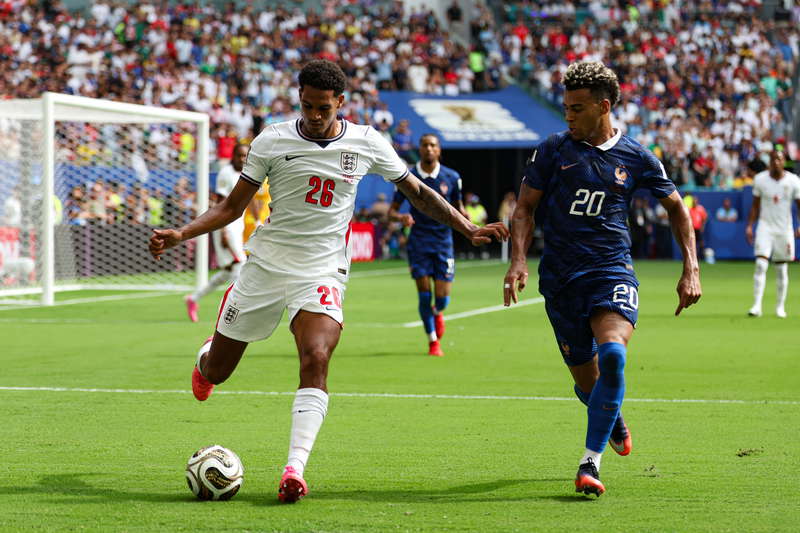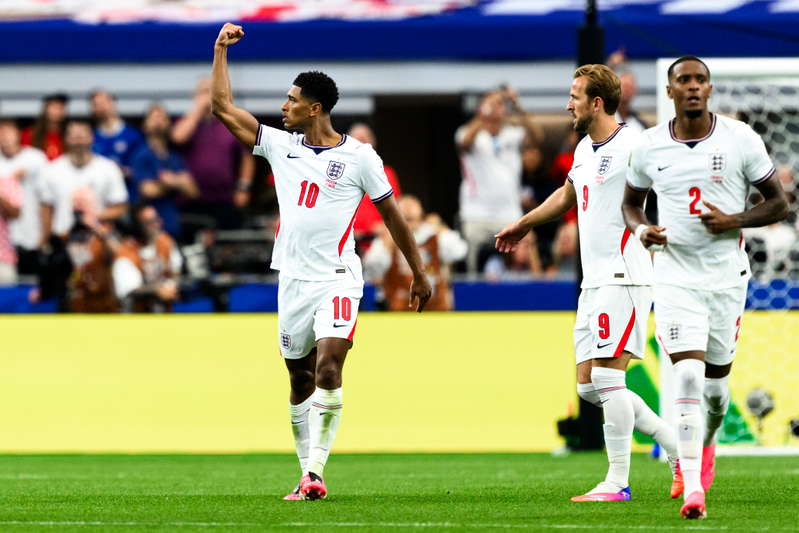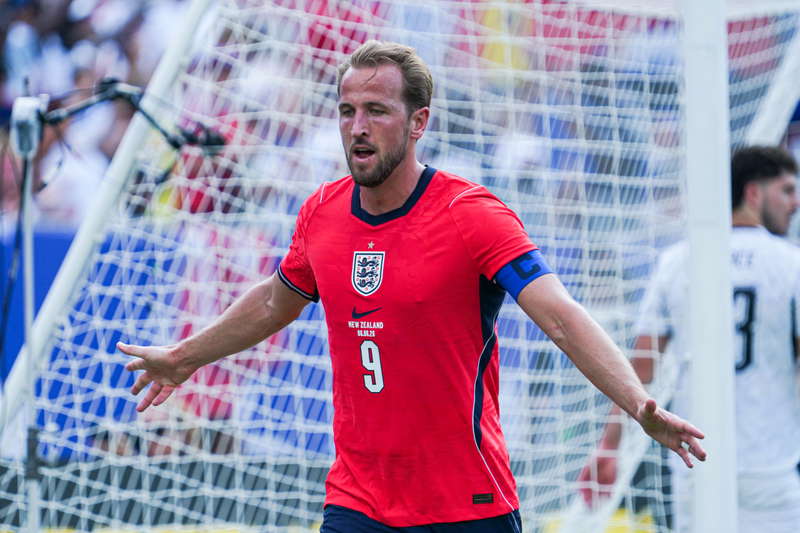



The England World Cup squad was always going to create noise once the big omissions landed. Phil Foden, Cole Palmer and Trent Alexander-Arnold are out, while I. Toney, Jordan Henderson and Djed Spence are in. Thomas Tuchel's own explanation matters here: this was a squad built around balance and positional fit, not a simple ranking of the most talented 26 players.
Why Tuchel went for fit over reputation
Tuchel put it plainly when explaining the biggest calls. He told football365.com: "It was also a positional thing, not taking five No10s and playing them out of position. Who would that help?"
That line gets to the heart of this squad. England have plenty of attacking midfield talent, but tournament squads are not built in a vacuum. Tuchel has preferred role clarity. The call on Phil Foden and Cole Palmer will still annoy plenty of supporters, and reasonably so, but the brief does not support the lazy idea that they were dropped purely because of bad form.
There is still a case for both. Foden posted a 7.03 Premier League rating for Manchester City. Palmer, despite a disrupted campaign at Chelsea, still managed 9 league goals. If the argument is pure talent, both belong in almost any conversation about England's best attacking players.
But Tuchel did not frame this as a talent exercise. He framed it as a squad exercise, and there is a difference. If he believes those roles are already covered, or that the squad needs different profiles around the attack, then leaving one or both out becomes easier to explain, even if it remains one of the most controversial parts of the selection.
He also admitted how uncomfortable the process was. Speaking to express.co.uk, Tuchel said: "Difficult phone calls, because I respect all of them. I respect them as players and personalities, all of them have been in camp with us, all of them have been excellent. All of them deserved a call-up from this list of 55. To reduce it was difficult, sometimes painfully. Even in the phone calls I felt the emotion."
That feels like more than PR. It also suggests camp evidence mattered, which fits the broader balance-first logic behind the squad.
Why the omissions will keep being debated
Alexander-Arnold is probably the hardest omission to dismiss quietly. He played 30 times for Real Madrid in the second half of the season and produced 5 assists. On club numbers alone, there is a clear case that he should have travelled.
Even so, Tuchel had another piece of evidence to lean on. Trent Alexander-Arnold has played just 26 minutes for England since October 2024. That does not settle the argument, but it does explain why Tuchel may not have viewed him as a fixed part of the side he wants to take into a tournament.
This is where the debate splits. One side sees a player in strong club shape who should force his way in. The other sees a coach prioritising specific roles and established camp plans. The first case is real, but the second is the stronger explanation for what Tuchel actually did.
There are other omissions with substance behind them too. Lewis Hall made 37 Premier League appearances for Newcastle, which gives him a legitimate argument as a high-volume left-back option. Harry Maguire was more openly hurt by his exclusion than most. He told sportsmole.co.uk: "I was confident I could have played a major part this summer for my country after the season I've had. I've been left shocked and gutted by the decision. I've loved nothing more than putting that shirt on and representing my country over the years. I wish the players all the best this summer."
There is also a broader marker of how unusual this squad is: Liverpool have no representative in this England World Cup squad, the first time that has happened in 40 years.
Why Toney sums up Tuchel's thinking
If one selection explains Tuchel's approach, it is I. Toney. His inclusion looks surprising on name recognition alone, but less so once the profile is considered. The reported output is huge: 42 goals and 11 assists for Al-Ahli this season, a must-include number in any serious reading of the squad.
Tuchel's explanation was specific. Speaking to standard.co.uk, he said: "Also a beautiful surprise to us. I had fantastic feedback from his coach, from his club coach who was my player, and I have a close connection with him. I've always fantastic feedback about his role there, about his ability, about his fitness. We could see that he still collects the numbers. I think he has very special skills that could help us, meaning the situation, the scenario, when we were chasing a result, when we were chasing a goal. I think he can be a very valuable addition to Harry Kane. He can be a presence in the box. When we're pushing for a goal, he can take attention of other strikers. He has a natural presence within the box. He's a natural finisher. He can help us with said pieces, because he's very strong in the air. Very good in using his body, and not to forget, he's a world class penalty taker."
That is a squad-building argument, not a sentimental one. Tuchel sees Toney as a specialist option who changes the picture late in games. Around Harry Kane, who has scored 58 times in all competitions for Bayern Munich this season, that kind of alternative can matter more than another player who prefers the same spaces as Jude Bellingham or the other attacking midfielders.
The same logic explains why Jordan Henderson and Djed Spence were rewarded. Tuchel has clearly leaned into function. It will not please everyone, and some of the omissions are good enough to make this uncomfortable all the way to the first game.
England now have two pre-tournament friendlies, against New Zealand on June 6 and Costa Rica on June 10, before opening the World Cup against Croatia on June 17. Ghana follow on June 23 and Panama on June 27. Those matches will decide whether Tuchel's balance-first argument looks smart or too conservative, but the logic behind the squad is already pretty clear.
FAQ
Why did Thomas Tuchel leave Phil Foden and Cole Palmer out of the England World Cup squad?
Tuchel said the decision was positional rather than purely about talent or form. He said he did not want to take five No 10s and play them out of position. That helps explain why Phil Foden and Cole Palmer missed out, even though Palmer still scored 9 Premier League goals and Foden posted a 7.03 league rating.
Should Trent Alexander-Arnold have been in the England World Cup squad?
There is a fair argument that he should have been. Trent Alexander-Arnold played 30 times for Real Madrid and produced 5 assists in the second half of the season. But Tuchel's decision also reflected role fit and recent England use, and Alexander-Arnold had played just 26 minutes for England since October 2024.
Why was Ivan Toney picked in England's World Cup squad?
Tuchel gave a clear football reason for Ivan Toney's inclusion. He said Toney can help when England are chasing a goal because of his box presence, aerial strength and finishing. The reported output is hard to ignore too: 42 goals and 11 assists for Al-Ahli this season.
Who are the biggest England World Cup squad omissions?
The loudest debate has focused on Phil Foden, Cole Palmer and Trent Alexander-Arnold, while Lewis Hall also has a case after 37 Premier League appearances for Newcastle. Harry Maguire described his own omission as leaving him "shocked and gutted" after believing he could play a major part this summer.
- chroniclelive.co.uk
- express.co.uk
- football365.com
- football-espana.net
- liverpoolecho.co.uk
- metro.co.uk
- sportsmole.co.uk
- standard.co.uk
- talksport.com
Written by Jack Mercer with AI-assisted research, cross-checked against 9 outlets. How we work →