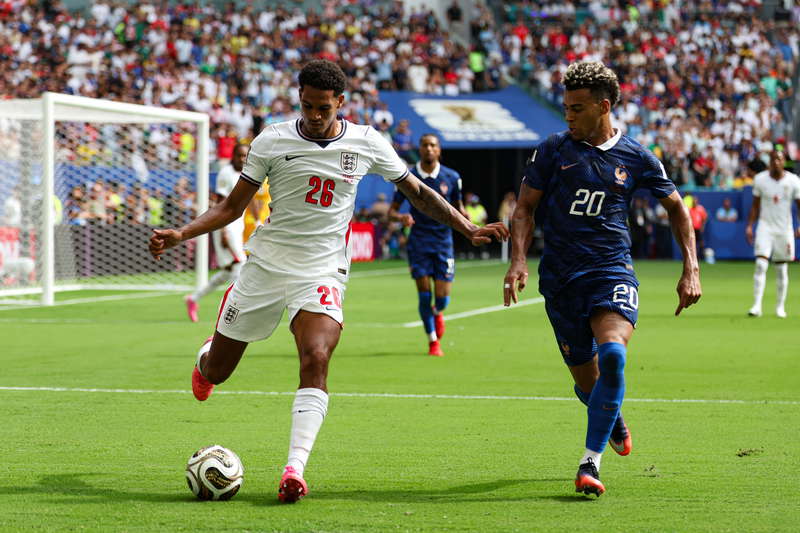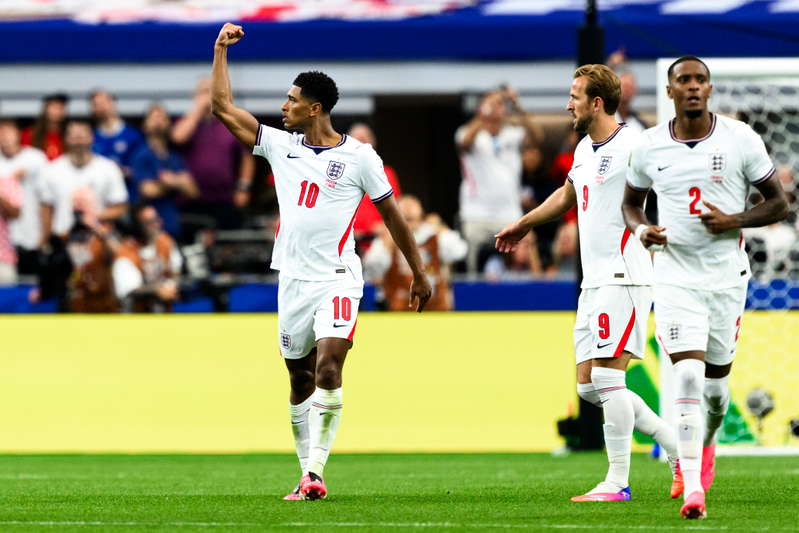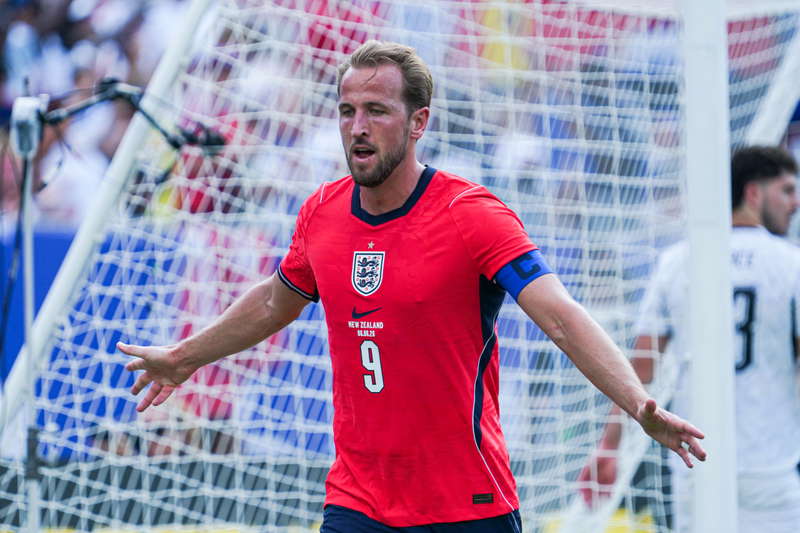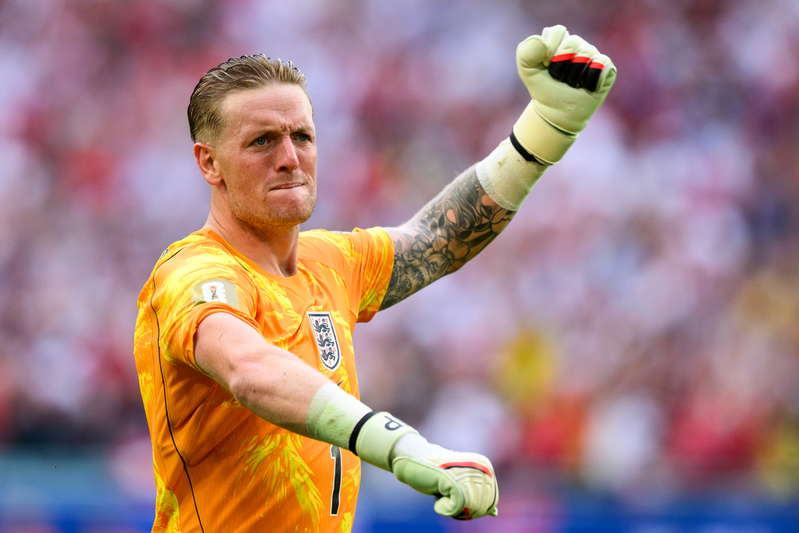



The first England World Cup squad under Thomas Tuchel is not built around reputation. It is built around selection calls that will annoy people. Tuchel cut a preliminary list of 55 names down to 26, included Jude Bellingham and Noni Madueke, and left out Phil Foden, Cole Palmer and Harry Maguire. That looks less like sentiment and more like a manager drawing hard tactical lines before a tournament.
What Tuchel’s omissions say about his priorities
The obvious reaction is to focus on the names missing, and that is fair. Foden is not absent because he vanished this season. He still made 32 Premier League appearances and scored 7 goals. Palmer’s omission lands the same way. He had 25 Premier League appearances and 9 goals, so this is not a case of Tuchel dropping a player with no output.
That is what makes the decision feel important. Tuchel is not pretending those players lack talent, and the brief is clear that this should not be framed that way. The stronger reading is that he has weighed form, role fit and squad balance more heavily than reputation.
Maguire belongs in the same conversation, though with more uncertainty around the exact reasoning. He had 22 Premier League appearances for Manchester United, which means he was involved enough to stay in the frame. Some reaction pieces have treated his absence as a shock, but the verified numbers here do not settle the argument either way. What they do show is that Tuchel was willing to move on from a familiar England option.
The inclusions tell the same story. Bellingham comes in with 27 La Liga appearances and a 7.26 rating, which is the profile of a player arriving in rhythm. Madueke is another clear hint at the kind of squad Tuchel wants: direct, functional, and able to hold a tactical role rather than just add another big name to the list.
Why Toney’s place fits the logic better than the snub debate
If there is one selection that explains Tuchel’s thinking best, it is I. Toney. His inclusion is not nostalgic and it is not based on old England credit. It is based on output.
Toney has 42 goals in 48 appearances this season, and Tuchel made the case plainly when he spoke to express.co.uk. He said: "He deserves to be with us and I am convinced because he scored over 20 goals for his team this season. He won a major title with the Asian Champions League, he had a big contribution with goals and assists."
That is a manager telling you exactly what he values. Production matters. Availability matters. A defined role matters. Toney gives Tuchel a different option behind or alongside Harry Kane, who remains England's captain and the central reference point of the attack.
This is also why the squad feels less fragile than the omissions suggest. Kane brings 36 Bundesliga goals and a 7.92 Champions League rating. Ollie Watkins has 14 Premier League goals. Marcus Rashford has 15 La Liga goal contributions. England are not short of attacking options. They are trying to sort those options into a squad that makes tactical sense.
Balance, not celebrity, is the real theme
That is where the debate gets more interesting. For years, England discussions have often drifted toward star power and sentiment. This squad points in a different direction.
The leaked buildup dulled some of the surprise, with 21 of the 26 names already out before the official announcement, but the final list still lands as a reset. Tuchel has picked a group that leans into role discipline and recent output. That does not mean every decision will age well. It does mean the logic is visible.
You can see it across the squad profile. Jordan Pickford, Dan Burn, Trent Alexander-Arnold and Adam Wharton all fit a manager trying to cover specific jobs rather than collect the most famous names. Even where people disagree, the through-line is clear.
There will still be arguments around Foden and Palmer because both had enough minutes and enough goal output to make strong claims. That criticism is fair. But the brief supports a more specific conclusion: Tuchel saw performance and role fit as bigger selection markers than headline status. On the evidence available, that is a defensible call, even if it leaves out players plenty of fans would have taken.
The bigger test comes once the tournament starts. England will be judged on whether this harder-edged approach creates a more coherent team, not on whether every popular name made the 26.
FAQ
Why did Thomas Tuchel leave Phil Foden and Cole Palmer out of the England World Cup squad?
The brief points to selection, form and role fit rather than a simple talent issue. Foden still had 32 Premier League appearances and 7 goals, while Palmer had 25 appearances and 9 goals. That is why these omissions look like deliberate calls about balance and structure, not players being ignored because they lack quality.
Why was Ivan Toney picked in the England World Cup squad?
Tuchel backed Toney on output. He said Toney deserved to be in because he scored over 20 goals, won a major title with the Asian Champions League and made a big contribution with goals and assists. The verified numbers in the brief are even stronger: 42 goals in 48 appearances this season.
Is Jude Bellingham guaranteed to start for England at the 2026 World Cup?
The article does not claim anything is guaranteed, but Bellingham arrives with a strong case. He has 27 La Liga appearances and a 7.26 rating, which supports the view that he is coming into the tournament in rhythm. His inclusion fits Tuchel’s stated preference for form and tactical reliability.
Was Harry Maguire unlucky to miss the England World Cup squad?
That debate is still open. Reaction to Maguire’s omission has framed it as a shock, and he did make 22 Premier League appearances for Manchester United. But the brief does not provide a deeper performance case that proves he should have gone, so the fairest reading is that Tuchel made a hard selection choice rather than an obvious mistake.
Written by Jack Mercer with AI-assisted research, cross-checked against 7 outlets. How we work →