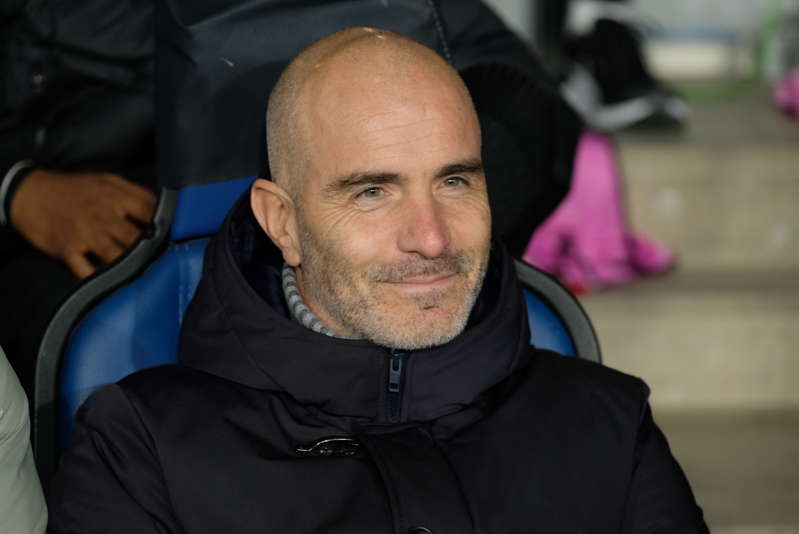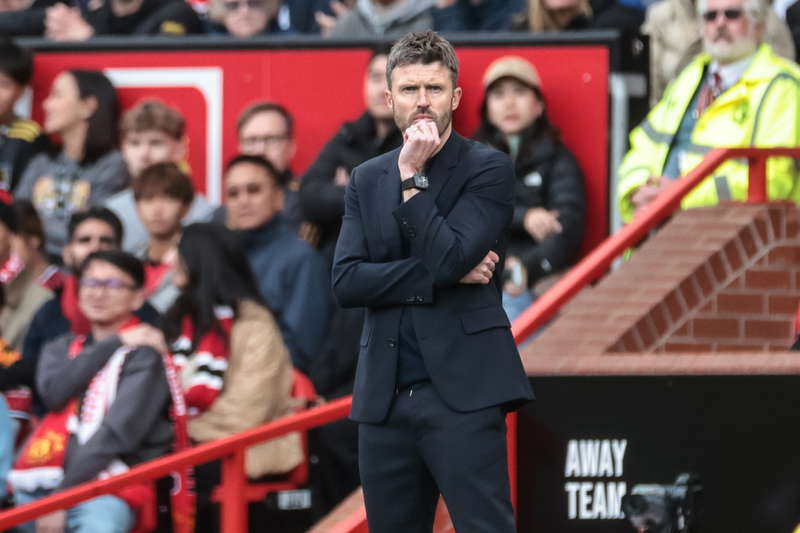


Enzo Maresca is close to becoming Manchester City's next manager on a three-year deal, with the biggest obstacle now centred on compensation rather than the appointment itself. Chelsea believed they were due a payment because Maresca was contracted until 2029 before he left in January, and the clubs have now reached an agreement understood to be well in excess of £10m.
Maresca's likely return carries an obvious football logic because he previously worked under Pep Guardiola at City in 2022/23. Still, the timing of this story says plenty about how modern top-level succession works. The head coach choice is one part of it, the contract dispute is another, and the wider squad planning is already moving underneath both.
The route back to the Etihad
The historical link matters here because this is not a left-field appointment. Maresca had already served as Guardiola's assistant during the 2022/23 season, when City won a treble including the Champions League. For a club preparing for life after a defining manager, that familiarity cuts down some of the risk.
City are not handing over a broken side either. They finished second in the Premier League on 78 points. That is a strong enough base for any successor, and it helps explain why the club have moved towards someone who already knows the internal demands rather than chasing a complete outsider.
Freddie Pye, speaking to bbc.co.uk, suggested the delay itself may not be a major problem: "Given the absence of any pre-season training until next month, and even those activities being restricted to non-World Cup players, perhaps Maresca and City have not lost out on anything via a delayed announcement, with the Italian likely to be in close contact over planning for the new season."
That feels like the sensible read. A drawn-out compensation discussion is inconvenient, but it does not necessarily disrupt the first phase of the handover if the core planning is already happening behind the scenes.
The Chelsea compensation battle
This part of the story has framed almost everything else. Chelsea believed they were entitled to compensation because Maresca was under contract until 2029 before leaving in January, and that is why the move could not be treated as a simple reunion between coach and former club.
The clubs have now reached an agreement understood to be well in excess of £10m. No precise figure has been confirmed, but the scale alone tells you how highly Chelsea rated their position and how determined City were to get the deal moving.
There is still room for debate around the legal and contractual side because Chelsea's entitlement was something the club believed firmly, not a point tested publicly to a conclusion. In practical terms, though, City agreeing a package of that size suggests they saw settlement as the quickest route to securing Guardiola's successor.
Chelsea's wider frustration is easy enough to understand. They finished 10th in the Premier League on 52 points after Maresca's departure. That does not prove his exit alone caused the decline, and it would be too neat to frame it that way, but it gives the compensation dispute a sharper edge from Chelsea's perspective.
The wider rebuild already under way
The appointment is the headline, but City are already operating like a club that knows a transition is coming. They have had two bids rejected for Elliot Anderson, and another offer is expected. Even without forcing a direct line between the coaching change and every transfer decision, it shows the succession plan is not sitting in isolation.
Pye also told bbc.co.uk: "City have a compelling and desirable sales pitch to offer players these days, irrespective of the head coach - though not overlooking the allure of Guardiola. This is a winning project for players, a clear opportunity to win immediate silverware, unrivalled facilities and perhaps joining the start of an exciting new era."
That is probably the strongest reason City can make this change without looking unstable. The club still sell continuity, elite conditions and a team that remains near the top of the league. A successor arriving after a sixth-place finish or a 60-point season would face a different atmosphere entirely. Maresca, by contrast, looks set to inherit a side that still expects to compete straight away.
The remaining detail is the formal completion of the move, but the shape of it is now clear. City are close to bringing Maresca back on a three-year deal, Chelsea have agreed compensation understood to be well in excess of £10m, and the post-Guardiola handover is already taking form.
FAQ
Is Enzo Maresca close to becoming Manchester City manager?
Yes. Manchester City are close to appointing Enzo Maresca as Pep Guardiola's successor on a three-year deal. The move has not been officially completed or unveiled, but the key step has been progress on compensation talks with Chelsea.
Why are Chelsea due compensation for Enzo Maresca?
Chelsea believed they were due compensation because Maresca was contracted to the club until 2029 before he left in January. City and Chelsea have now reached an agreement understood to be well in excess of £10m, which has been the main issue around the move.
What kind of job would Enzo Maresca inherit at Manchester City?
He would be taking over a side that still finished second in the Premier League on 78 points. That makes this more of a succession plan than a rescue job, even with Guardiola's departure changing the mood around the club.
How does Maresca's move affect Chelsea and Manchester City's summer plans?
For Chelsea, it means losing a manager they believed was under contract until 2029 and settling for compensation. For City, it starts a wider rebuild already visible in the market, with two bids rejected for Nottingham Forest midfielder Elliot Anderson and another offer expected.
Written by Jack Mercer with AI-assisted research, cross-checked against 3 outlets. How we work →