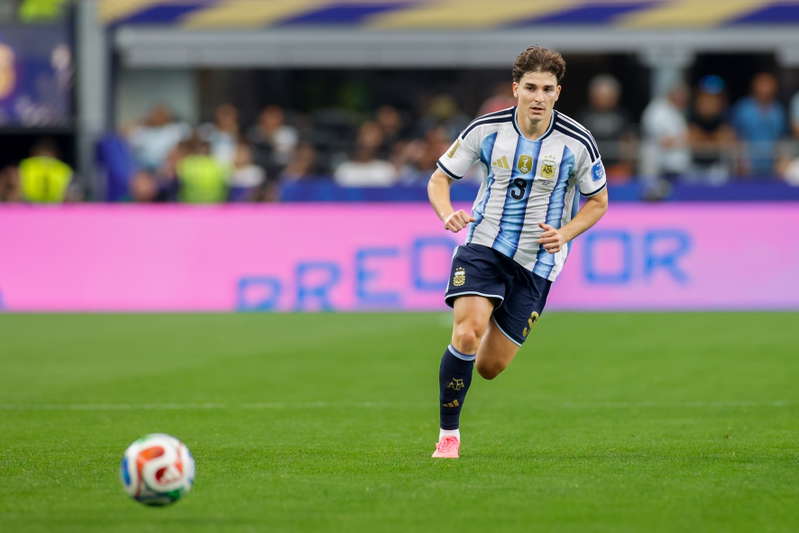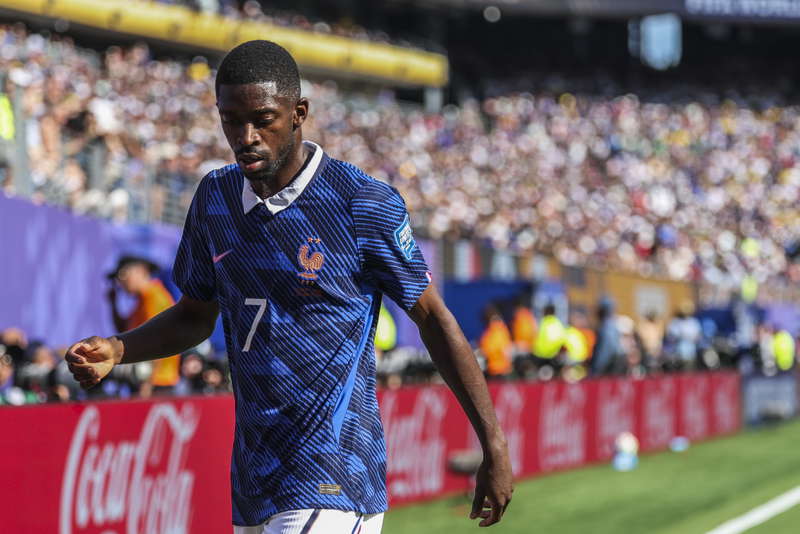


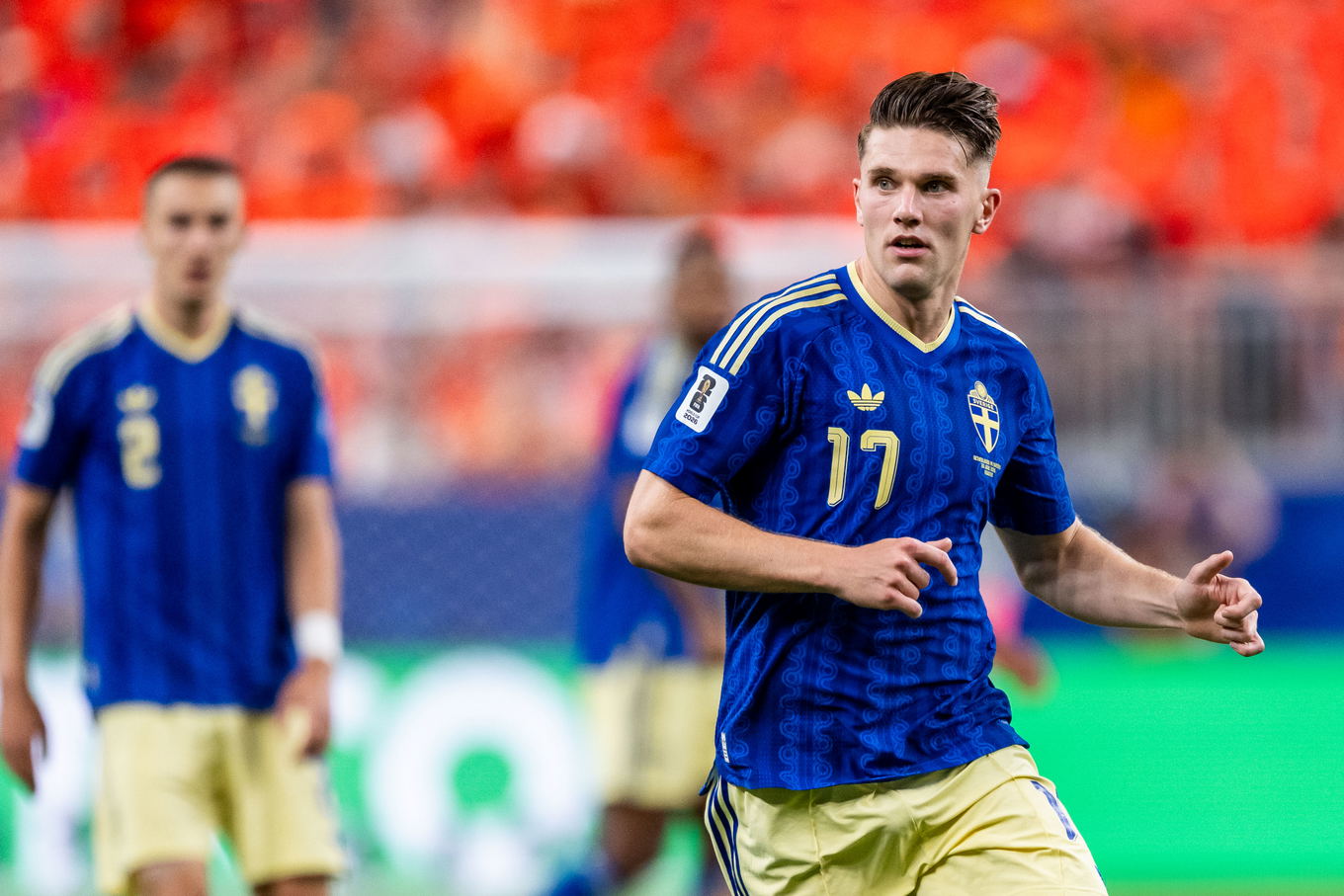
Sweden head into tonight's World Cup game with Viktor Gyökeres and Alexander Isak paired in a 3-5-2, a setup that leaves little doubt about the plan up front. It is a bold move for a team that scraped into the knockout stages with a third-placed finish in Group F, after a win over Tunisia, a draw with Japan and a heavy loss against the Netherlands. France, by contrast, won their final Group I match 4-1 against an understrength Norway side.
Sweden's twin-striker gamble
The attraction is obvious. Graham Potter is trying to get both forwards into the same lineup, and the first-body evidence says Isak has been the cleaner performer so far. He has a 7.62 tournament rating and 3 goal contributions in 3 appearances, while Gyökeres sits on a 7.17 rating with 1 goal contribution in 3 appearances.
That gap does not make the Sweden move wrong, but it does show where the weight of expectation sits. If Sweden are going to make the 3-5-2 work, they need more than the reputation of both names in the same front line. Isak has carried the better tournament output, and Potter's shape has to turn that into a real edge rather than a neat selection talking point.
France arrive in better shape
France look the more settled side. They have won their last three World Cup matches, including the 4-1 win over Norway, the 3-0 win over Iraq and the 3-1 win over Senegal. That is a far steadier run than Sweden's recent W-L-D sequence, which included a 5-1 win over Tunisia, a 5-1 loss to the Netherlands and a 1-1 draw with Japan.
Didier Deschamps is also back after missing France's final group match because he flew home for his father's funeral. The personal story matters, but the football context is simple enough: France arrive with better results, while Sweden are asking a twin-striker system to lift a side that has looked more volatile across the group stage.
Written by Sam Whitfield with AI-assisted research, cross-checked against 1 outlet. How we work →