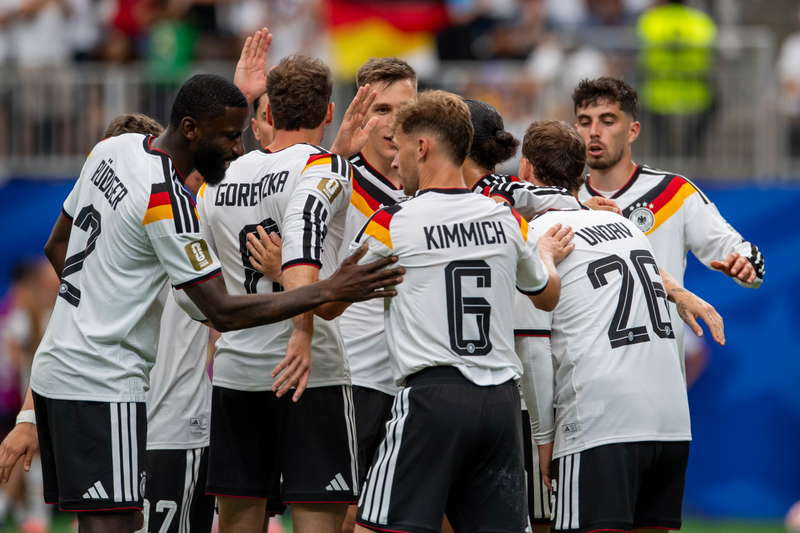


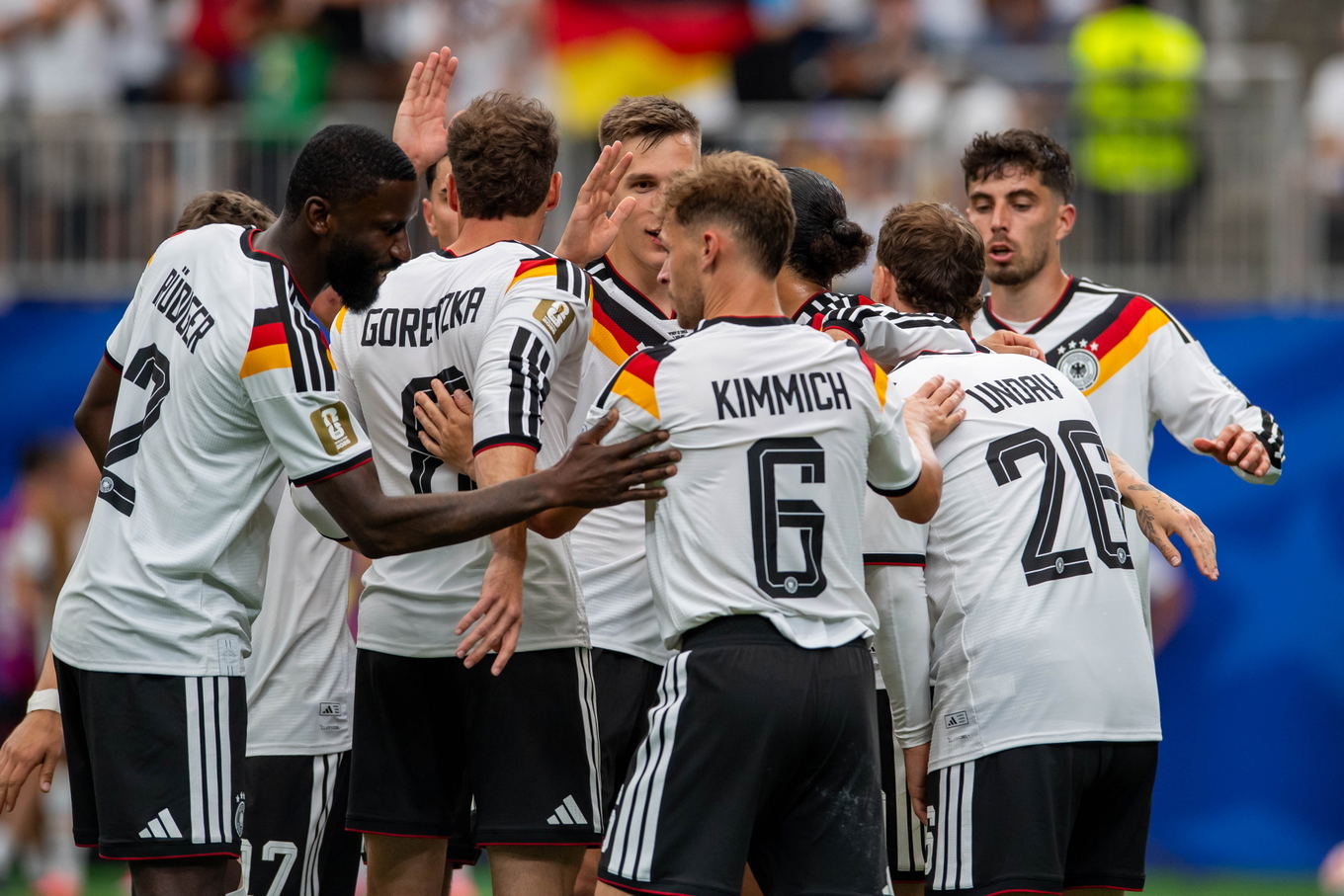
Germany's 4-0 win over Finland was not really about the scoreline. It was about Germany's youngest-ever starting XI, the set-piece work, and the way Lennart Karl keeps forcing his way into the conversation. Julian Nagelsmann still has tactical issues to iron out, but this felt like a team with more than one way to score.
Why Nagelsmann liked the variety
Nagelsmann fielded his youngest-ever starting XI against Finland, with an average age of 26.29 years. That matters because it was not just a one-off experiment. The line-up was 0.58 years younger than the side that beat the Netherlands 1-0 in October 2024, which says something about how deliberately Germany are leaning into youth.
Karl was the sharpest example of that shift. At 18 years and 98 days, he became the third-youngest DFB starter in history after Youssoufa Moukoko and Uwe Seeler. He also played a key role in the opener with a short corner for Joshua Kimmich, then set up Deniz Undav's strike to make it 3-0 with a through ball.
That kind of contribution is why Karl already feels like a real selection issue, not just a feel-good story. Nagelsmann said "the lads want to prove themselves", and Karl looked like someone doing exactly that.
The set-piece numbers are starting to matter
Germany's win over Finland was their eighth straight victory, and the numbers behind that run are pretty healthy. They have scored 26 goals and conceded six during the streak, which is a tidy enough base before a World Cup.
The more interesting part is where the goals are coming from. Eight of Germany's goals in the run have come from set pieces, with four of them arriving in the last four matches. Kimmich summed up the attack's variety neatly: "We wanted to press high as often as possible, and that led to two goals today. Then we scored from deep defence when Lenny played a through ball to Deniz and added a goal from a set-piece. We scored from several phases of play."
That is a useful development for Germany, especially because they failed to score a single set-piece goal at the last two major events. It does not mean the dead-ball issue is solved for good, but the trend is hard to ignore.
Nagelsmann was careful not to overstate it. "We also got a counter-attacking goal, which is a welcome change; we showed resilience. The result was good; we kept a clean sheet. We can build on this," he said. That is probably the right level of optimism. Germany have found variety. They have not fully nailed the details.
The pink boots were part of the night too, with all ten outfield starters wearing them and Oliver Baumann the only starter not in pink. Lennart Karl called them "top World Cup colours", while Nagelsmann said he liked the look and thought it was harmonious with the kit. It is a small detail, but it fits a side trying to project freshness as well as control.
The bigger question is whether Nagelsmann can keep that freshness without losing structure. Finland suggested Germany can score in several ways, which is a better problem than being stuck in one pattern. But the coach's own comments show the side still needs more automation and discipline before the World Cup.
For now, the encouraging part is obvious. Germany have youth, set-piece threat and a midfielder in Joshua Kimmich who can organise the whole thing. The next step is making sure the different parts keep working together when the opposition is better than Finland.
FAQ
Does Germany's win over Finland mean Julian Nagelsmann has found his World Cup team?
Not yet, but the Finland win gave Nagelsmann a useful sign. Germany used their youngest-ever starting XI, averaged 26.29 years, and showed they can score in several phases of play. The coach still wants more tactical discipline, so the picture is promising rather than settled.
How important are set pieces for Germany under Julian Nagelsmann?
They are becoming a real weapon. Germany have scored 8 set-piece goals during their eight-match winning run, with 4 of them coming in the last four matches. Joshua Kimmich said they scored from several phases of play, including a set piece against Finland.
Why is Lennart Karl being talked about for Germany's World Cup squad?
Karl backed up the hype with action, not just image. At 18 years and 98 days, he became the third-youngest DFB starter in history, played a key role in the opener with a short corner for Joshua Kimmich, and then set up Deniz Undav's strike with a through ball.
Written by Jack Mercer with AI-assisted research, cross-checked against 2 outlets. How we work →