


Giorgi Mamardashvili was convicted of using a handheld mobile phone while driving after a stop on the southbound M6 between Junctions 23 and 21 at around 3.45pm on January 27. He was fined £440, given six penalty points, and ordered to pay £120 costs plus a £176 victim surcharge after a private Single Justice Procedure hearing. The case is straightforward: this is a driving conviction, not a football story dressed up as one.
What the police officer said
PC Ree of Cheshire Police told standard.co.uk: "As I drove past the Audi, I noticed that the driver had his mobile phone in his hand, he was holding it near the centre of his steering wheel, and the driver appeared to be watching something on the screen whilst he was driving at motorway speed." He also said: "Just prior to Junction 22, I was in lane three of three when I passed a black Audi which was travelling in lane two".
That is the evidence the court heard, and it led to the conviction for using a handheld mobile phone while driving a motor vehicle on a road. The court was also told he gave his name and identified himself with a Georgian driving licence.
Liverpool context, but only as context
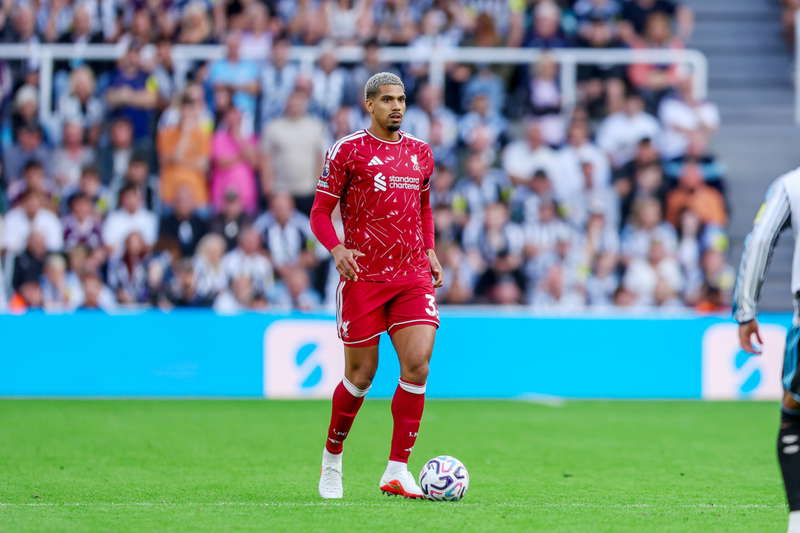
The Liverpool angle is secondary, but it matters because Mamardashvili is not some distant name on a court list. He has made 20 appearances this season for Liverpool and recorded three clean sheets while filling in for injured Alisson, so the case involves a player who is already part of the first-team picture.
That does not change the offence or soften the punishment. It does explain why the story lands louder than it would for a fringe squad player. Giorgi Mamardashvili is visible on matchdays, and he is now visible for the wrong reason as well.
Liverpool's league position is fifth and they are on 59 points, so the club are still in a live season while this off-field issue sits alongside it. What happens next on the pitch is separate from the court finding, and the record here is clear: he was fined £440, handed six penalty points, and convicted over the M6 offence.
Written by Jack Mercer with AI-assisted research, cross-checked against 3 outlets. How we work →