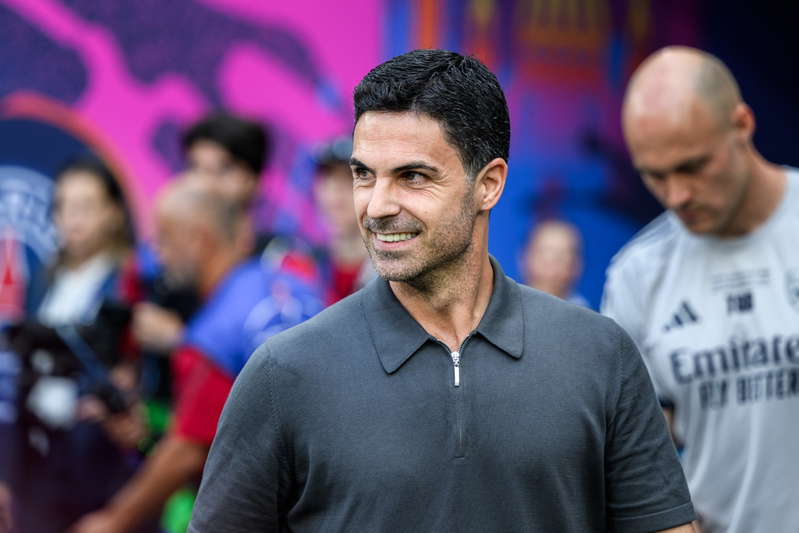


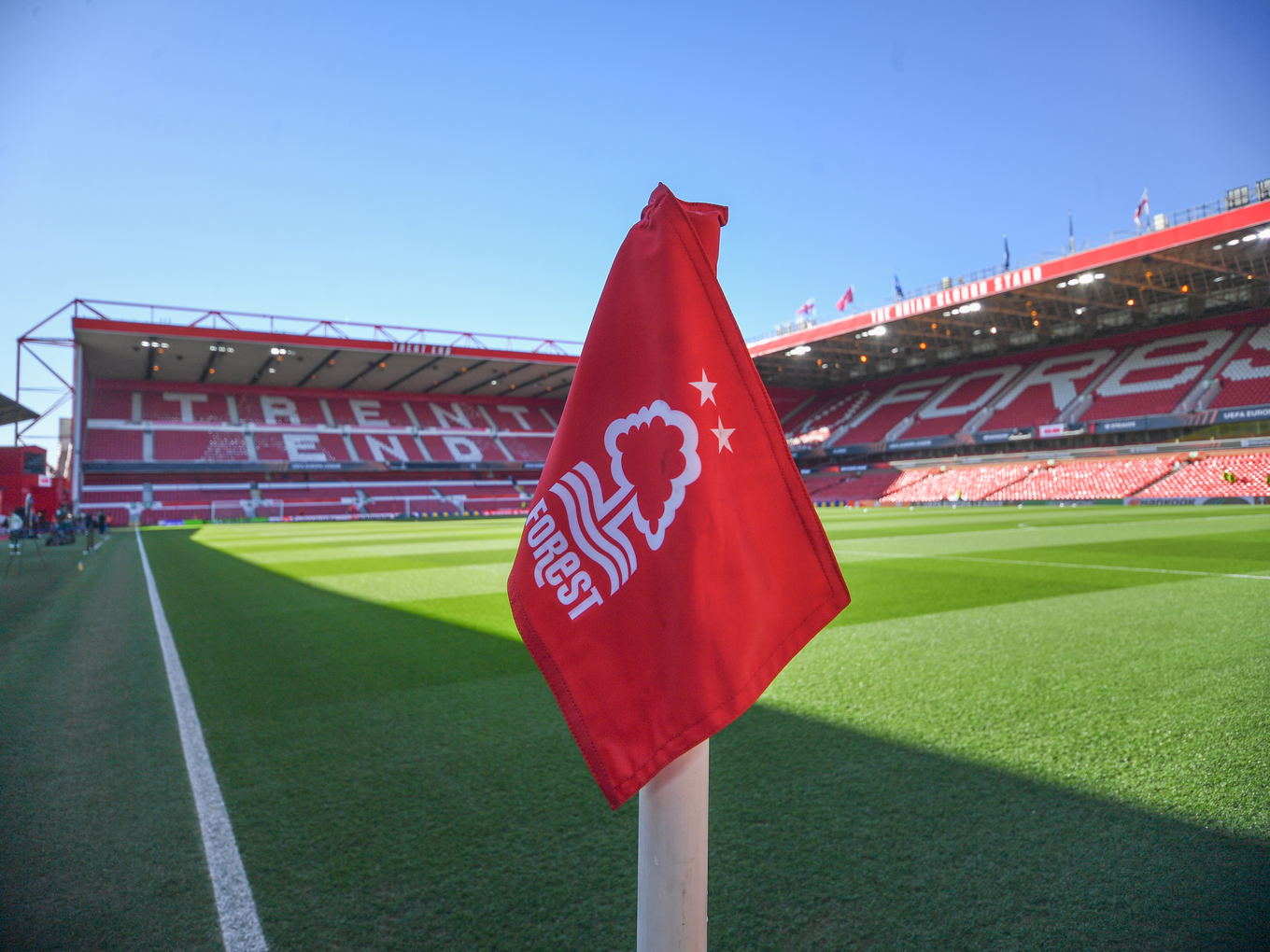
Oliver Glasner arrived at Nottingham Forest with a clear philosophy: success first, survival never. "I never sign and think about getting sacked," he told BBC Sport. "I just think: 'OK, what do we have to do to bring success to the club?'" For a club that has cycled through five managers in less than a year, his words carry unusual weight. They are not the language of a caretaker. They are the language of someone who believes he can build something.
The chaos Glasner inherits
Nottingham Forest's managerial carousel has become a defining feature of the club's recent identity. Ange Postecoglou lasted 39 days without hosting a final post-match press conference. Vitor Pereira was told of his dismissal two minutes before a contractual clause allowing the club to terminate his deal expired in June. These are not quiet departings. They are humiliating ones.
Into this stands Glasner, who has signed a three-year contract. The timeline alone is a statement. When he discussed the challenge of managerial stability, he reached for a marriage metaphor: "Nobody wants to get divorced. I don't know how it's in England but in Austria it's 50%. So when you ask them at the wedding, they would say 'yeah, not us' but it happens." His point is not to be gloomy. It is to acknowledge reality while asserting intent. "Every single club wants to have the same manager for a decade," he continued. "But that's just not the real world." The three-year deal, he said, exists because "we want to get stability and consistency" because "that's the foundation of success."
The metaphor matters. Glasner is not promising he will never leave. He is promising he did not arrive thinking about leaving.
His Palace record: impact and limits
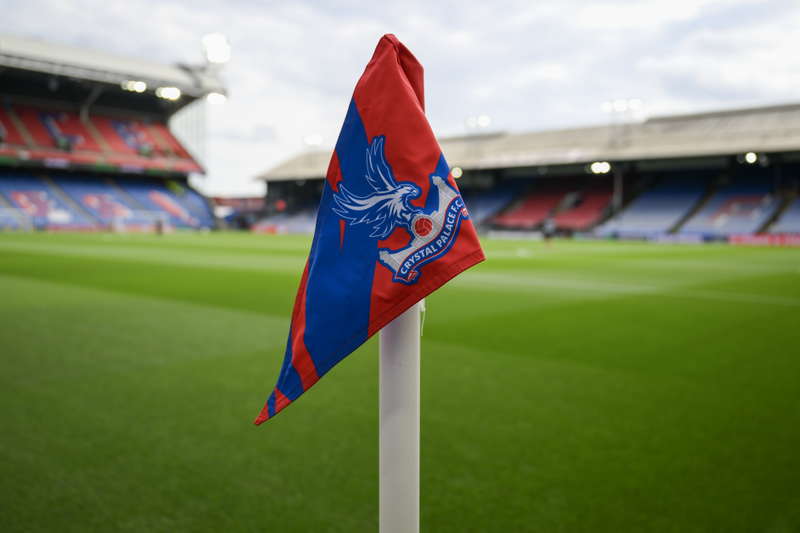
Glasner's track record is documented and impressive in a specific context. When he took over Crystal Palace in February 2024, they were 15th with 10 losses in their last 17 matches. He won 6 of their final 7 games and took them to 10th place. It is a clear example of rapid stabilization in crisis.
But that improvement did not persist. Palace declined back to 15th in 2025-26, suggesting Glasner's impact - while real - was time-bound. The contrast illustrates the limits of a mid-season rescue. Forest cannot expect an automatic Palace-style surge. The context is different, the squad profile different, and the runway for error much shorter.
Tactical reset: the patterns beneath the system
Glasner knows this. "We are not here to be Palace 2," he stated plainly. His rebuild will be bespoke to Forest's material, not a wholesale replication.
The tactical gap is large. Under four different managers in 2025-26, Forest attacked at 1.80 metres per second - 13th in the Premier League. Glasner's Palace attacked at 2.00 m/s, the division's fastest. Forest relied heavily on crosses (628, second-highest in the league); Palace under Glasner took only 417 (third-lowest). The difference reflects not just tactical philosophy but recruitment and player comfort.
Glasner's approach to this shift is flexible rather than dogmatic. He told Forest players: "The habits and the patterns are important, how to attack and defend, the spirit you create, to create a shared way of playing and understanding of what we want to do. I don't know if we will play a back four or back three, we will get the players where they feel comfortable and it's important they all play in their best positions."
The message is consistent: principles matter more than rigid structure. Forest's players will not wake up as a different team overnight. But the patterns - the way they press, the way they build, the spirit in the dressing room - those are Glasner's immediate targets.
The rebuild ahead
Forest finished 16th with 44 points in 2025-26. Glasner enters a club that employed five different managers in less than a year. His philosophy is clear: build for success, not manage through crisis. His Palace record is documented - 6 wins in 7 final games took them from 15th to 10th - but also limited. They declined back to 15th the following year. At Forest, the window is tight and the precedent daunting. Whether Glasner becomes the manager who breaks the cycle or adds his name to the departures list will be determined by results, not rhetoric.
FAQ
Will Oliver Glasner complete his three-year contract at Nottingham Forest?
Glasner has committed to three-year stability, acknowledging that managerial breakups happen despite best intentions. His Palace record shows rapid improvement (15th to 10th in seven games) but also limits - Palace declined back to 15th under subsequent management. The commitment is real, but not guaranteed.
What was Oliver Glasner's record at Crystal Palace?
Glasner took over Crystal Palace in February 2024 when they were 15th with 10 losses in their last 17 matches. He won 6 of their final 7 games and finished 10th. However, Palace declined back to 15th in 2025-26, showing his impact was positive but time-bound.
How does Glasner plan to change Nottingham Forest's style of play?
Glasner states 'We are not here to be Palace 2.' Forest attacked at 1.80 m/s in 2025-26 (13th in the Premier League) versus Glasner's Palace at 2.00 m/s (fastest). Forest relied on crosses (628, second-highest) while Palace took only 417. Glasner prioritizes shared principles and patterns over rigid formations.
Written by Jack Mercer with AI-assisted research, cross-checked against 1 outlet. How we work →