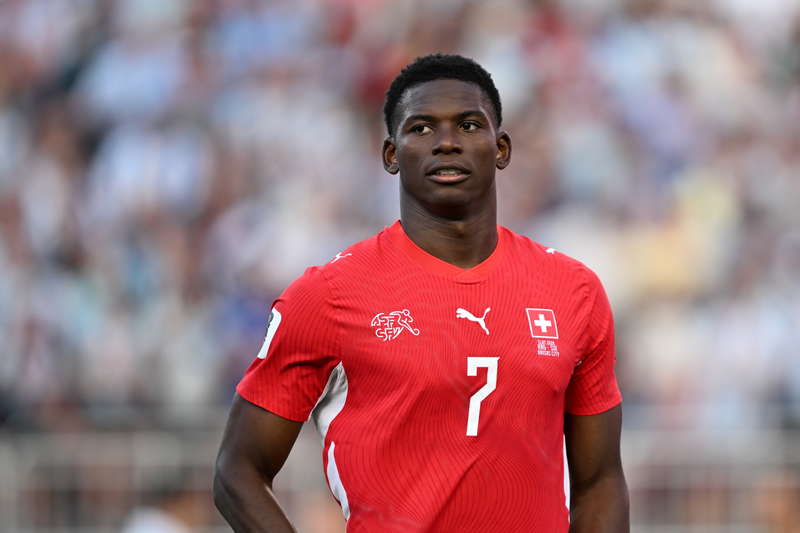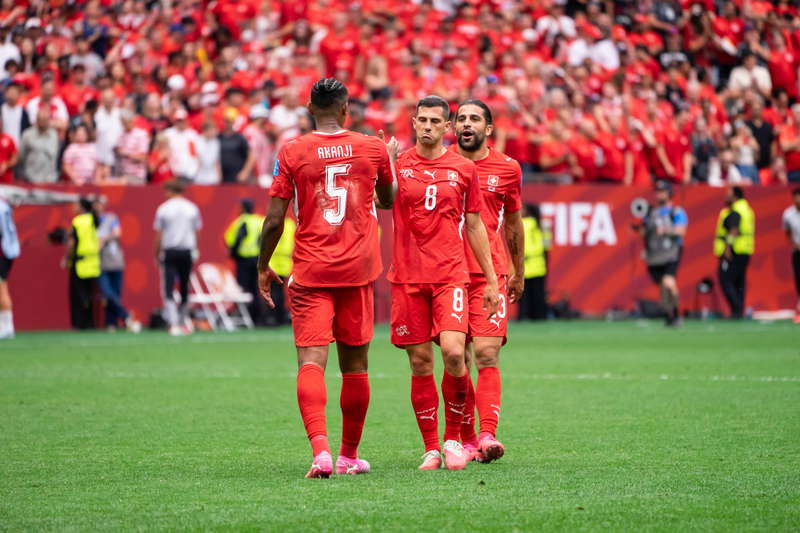


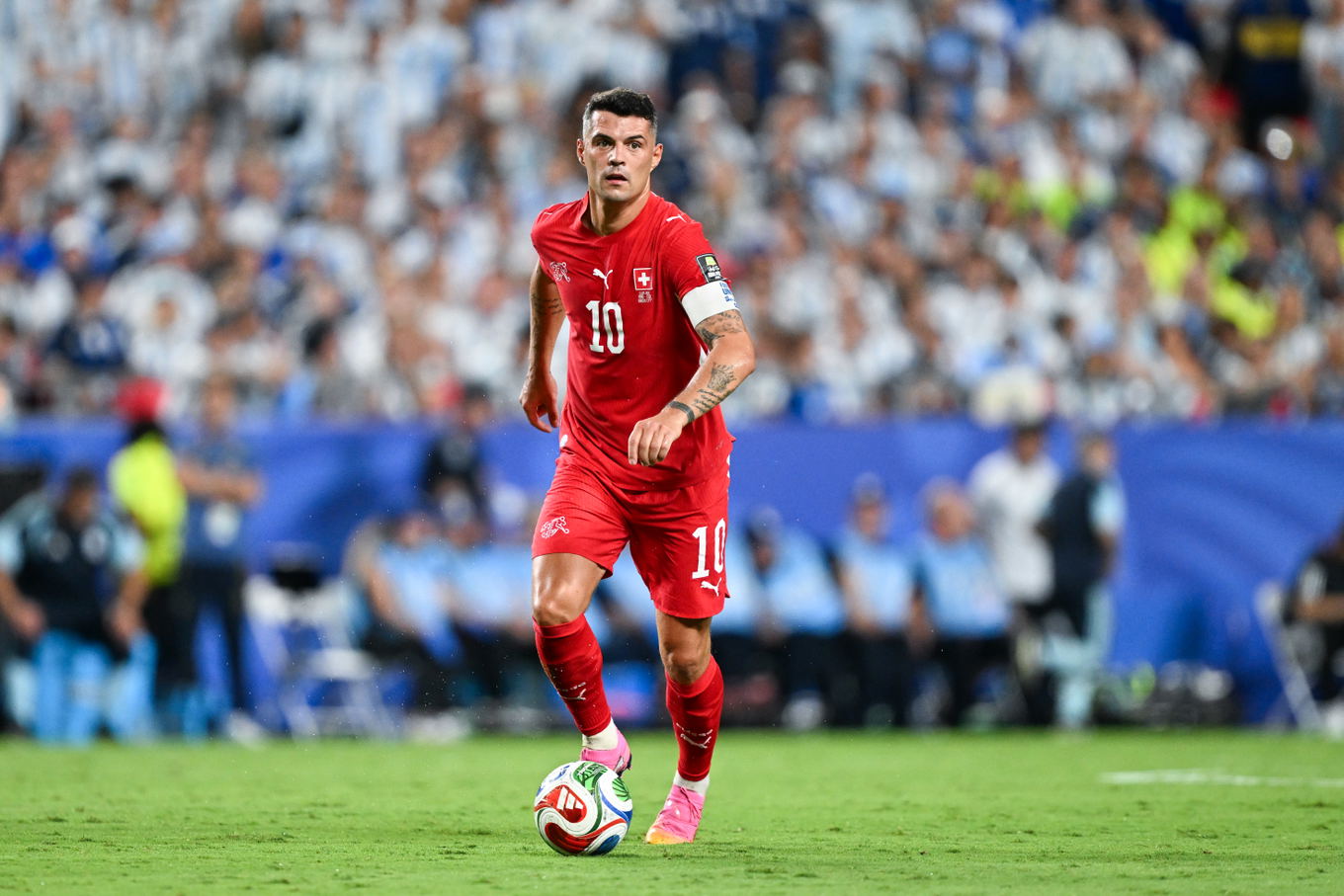
Granit Xhaka is heading to a fourth successive World Cup as Switzerland stick with a squad built on continuity. Xhaka has 144 appearances and is Switzerland's most capped player, while 17 of the 26 players selected were also in Qatar in 2022. Murat Yakin has leaned into familiarity rather than wholesale change.
Why this squad looks familiar
There are several reasons for that. Ricardo Rodríguez is also set for his fourth World Cup in a row, and Christian Fassnacht was selected after topping the Swiss Super League scoring charts with 18 goals. Yakin told BBC Sport, "I think we have selected the best players for the squad and I can't wait to get going."
The Premier League presence is part of the same picture. Xhaka has played 33 Premier League matches this season for Sunderland, with a 7.31 rating across 2818 minutes. Zeki Amdouni has also been included, and Yakin told BBC Sport: "Medically, he is 100% fit. He knows our system. He knows his role. That's the reason why I'm very glad he can be part of it."
That is a squad selection that trusts known quantities. Dan Ndoye and Noah Okafor add more attacking options, but the main story is still the same: Switzerland have gone for the players they know best, with Xhaka at the centre of it. The next test is whether that experience translates once the tournament starts.
FAQ
Why has Switzerland selected so many players from its 2022 World Cup squad?
Switzerland have named 17 players who were in Qatar 2022, so Murat Yakin is leaning on continuity and familiarity. Granit Xhaka is heading to his fourth successive World Cup, Ricardo Rodríguez is also set for a fourth in a row, and Yakin said he has selected the best players for the squad.
Is Granit Xhaka still central to Switzerland at World Cup level?
Yes. Xhaka has 144 appearances, making him Switzerland's most capped player, and he is heading to his fourth successive World Cup. The squad is built around experienced players, with several Premier League names included as part of that core.
Written by Jack Mercer with AI-assisted research, cross-checked against 2 outlets. How we work →