

At the 2026 World Cup, the finalists resolved a question Liverpool struggled with all season: does the pitch reward caution or intensity?
Argentina and Spain answered through their approach. Both combined possession with relentless attacking pressure. Argentina scored 11 goals in 5 recent matches, conceding only 3. Spain won all 5 shown matches - 9 goals for, 1 against - through controlled possession and pace, not by sitting deep. Unai Simón, Spain's goalkeeper, conceded just 1 goal across 7 matches, a direct result of Spain's attacking dominance limiting opponent chances rather than defensive compactness.
That intensity proved decisive. Defensive pragmatism, the tournament philosophy from many sides, failed. Attacking pressure worked.
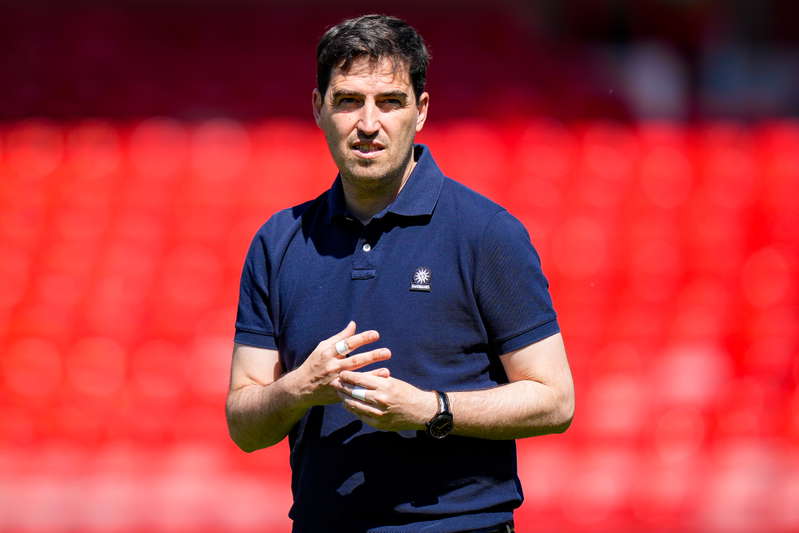
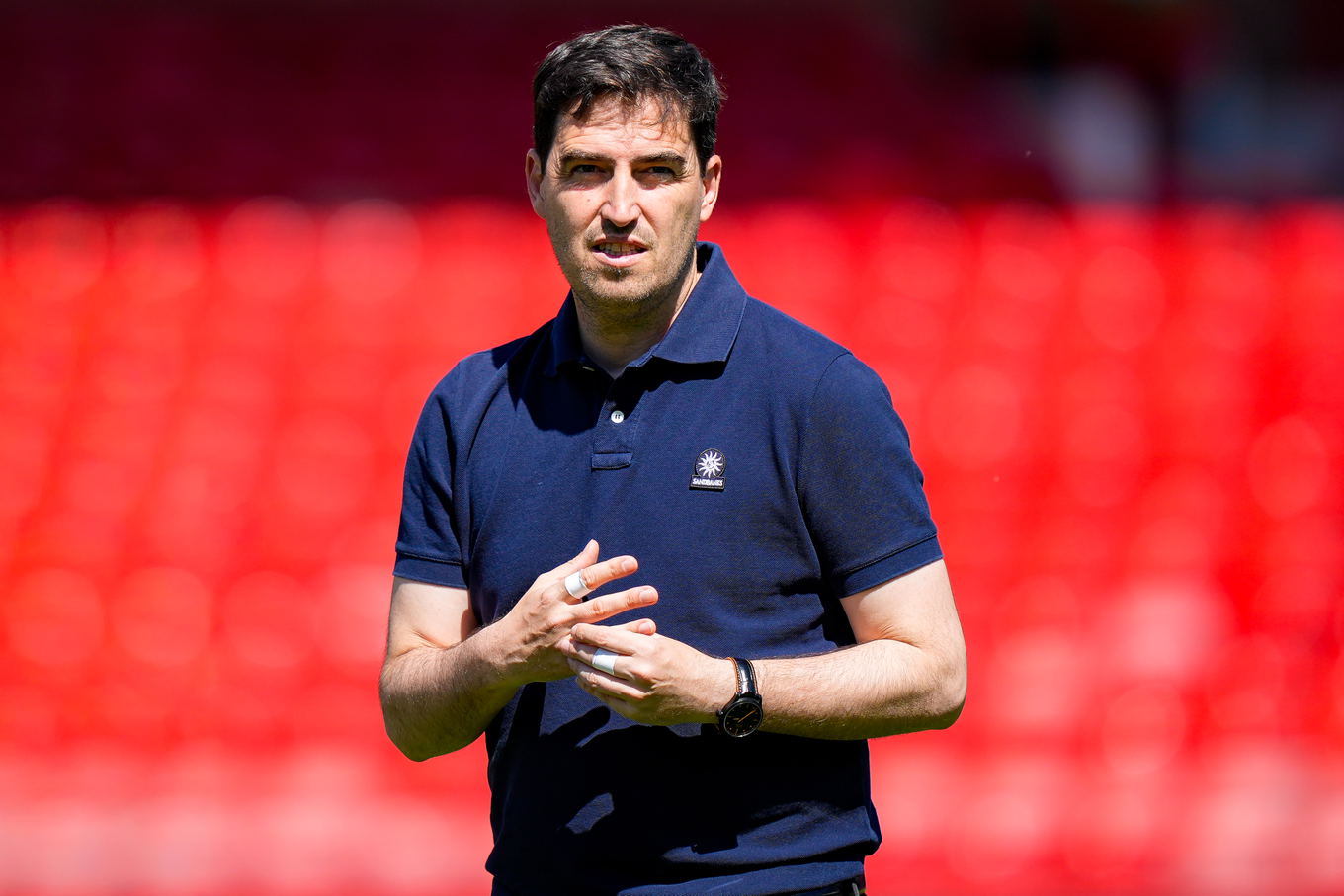
For Liverpool, which finished 5th in the Premier League with 60 points from 38 matches, the message is direct. New manager Andoni Iraola has built his entire approach on this principle. Speaking to the Liverpool Echo, football columnist Ian Doyle noted: "Iraola's style is perhaps a bit more closely linked to that of Argentina, who, while admittedly possessing a trump card in Lionel Messi, have developed a desire to win, a willingness to attack and an intensity that has seen them have no shame in putting themselves about."
That willingness to attack, the intensity that defines Argentina's tournament run, is what Liverpool lacked.
The case in Argentina's numbers
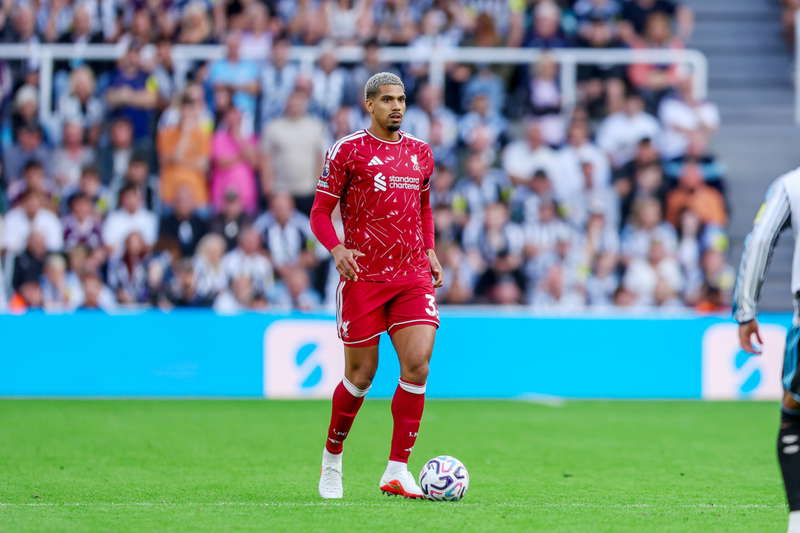
Alexis Mac Allister, one of Liverpool's two representatives in the final, averaged a 6.77 rating across 7 World Cup matches, scoring 1 goal and 1 assist. At Liverpool this season, his form was inconsistent. In the tournament, playing for Argentina's high-intensity press, he rediscovered form - a sharp reminder that the tactical environment shapes player output.
Spain's attacking ruthlessness tells the same story. Mikel Merino, brought on from the bench, scored winning goals in both the round of 32 and round of 16. Spain's dominance meant late substitutes could finish matches rather than defend them.
The contrast to Liverpool's season is stark. Seventeen wins from 38 league matches is not a record built on attacking certainty.
Iraola's blueprint
Iraola was hired to restore attacking purpose. Argentina's tournament blueprint - possession paired with intensity, attacking pressure creating defensive shape rather than the inverse - is the clearest proof that the approach works at the highest level.
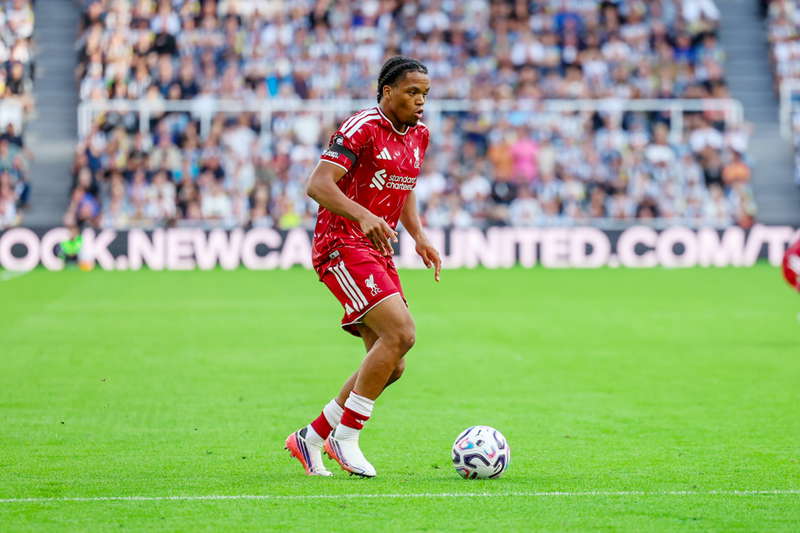
Victor Muñoz, Liverpool's new signing, is in Spain's squad but remains waiting to make his World Cup debut. Unlike Mac Allister, who found form through tournament intensity, Muñoz is a symbol of future potential. Iraola's task is to build a squad that creates the conditions for that potential to emerge, the way Argentina's system unlocked Mac Allister's best.
The World Cup final shows what happens when intensity is the system, not a luxury. Liverpool must adopt that frame to reclaim the form that defined their best years.
FAQ
Will Liverpool adopt Argentina's World Cup tactics under Iraola?
Yes, according to Liverpool Echo columnist Ian Doyle, Iraola's style mirrors Argentina's approach - defined by 'a desire to win, a willingness to attack and an intensity' that proved decisive at the World Cup. After finishing 5th with 60 points last season, Liverpool will implement this attacking blueprint.
Why did Argentina and Spain dominate the World Cup?
Both finalists combined possession with attacking intensity rather than defensive pragmatism. Spain won all 5 shown matches with 9 goals and only 1 conceded. Unai Simón's defensive solidity (1 goal in 7 matches) flowed from Spain's controlling possession and pace. Argentina scored 11 goals in 5 recent matches conceding only 3, proving attacking pressure creates defensive shape.
Why is Alexis Mac Allister performing better at the World Cup than Liverpool?
Mac Allister averaged a 6.77 rating across 7 World Cup matches, scoring 1 goal and 1 assist. At Liverpool this season, his form was inconsistent. The tactical environment matters - playing in Argentina's high-intensity system unlocked his best form, showing how a manager's philosophy shapes individual performance.
Written by Jack Mercer with AI-assisted research, cross-checked against 2 outlets. How we work →