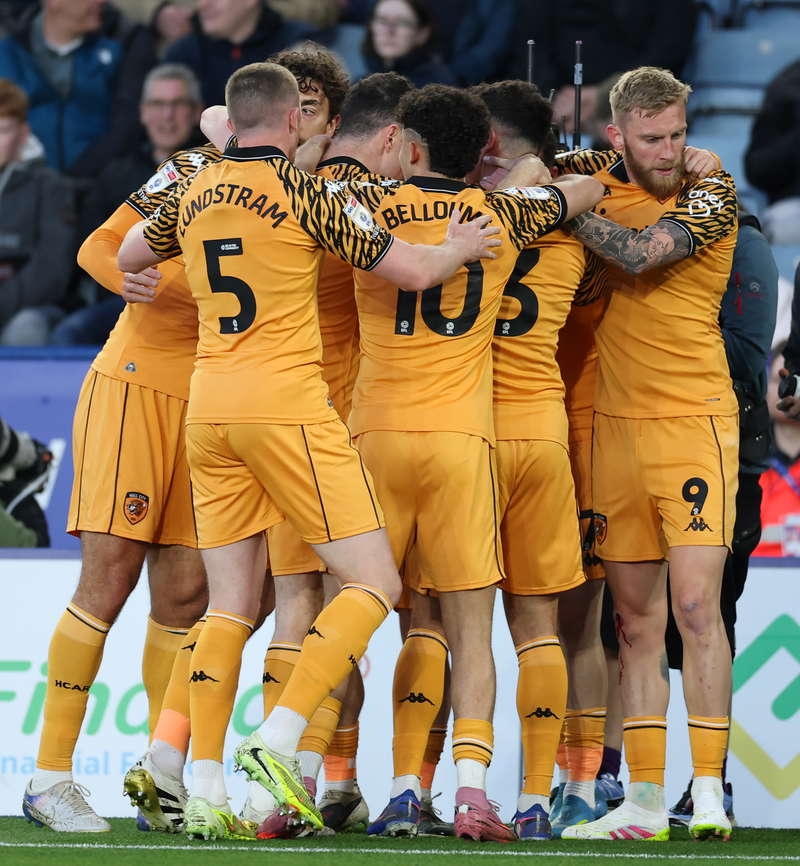


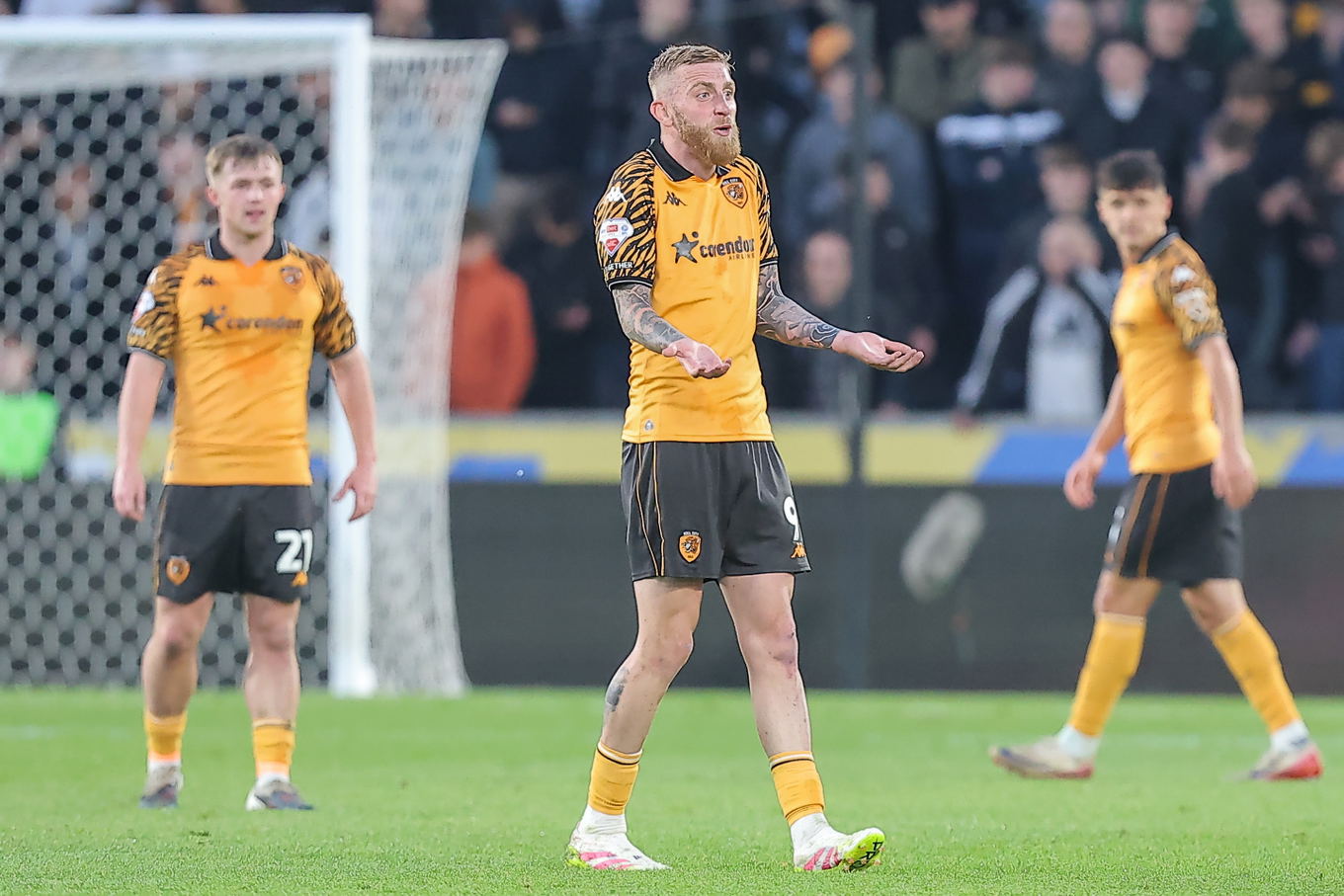
Hull City are back in the Premier League after Oliver McBurnie scored the winner against Middlesbrough deep into stoppage time at Wembley. Sports Mole logged it in the 95th minute, while other reporting described it as the fifth minute of second-half stoppage time. The goal settled a tense 1-0 final, but the bigger story was how Hull came through a chaotic Spygate-heavy build-up and still found the nerve to finish the job.
Why this promotion was about more than one late goal
McBurnie will get the headline, and fairly enough. His finish decided the final and sent Hull back to the top flight.
But this was not a clean, routine promotion story. Middlesbrough did not know for certain they would be playing until less than 72 hours before kick-off after Southampton were expelled and then reinstated via the Spygate fallout. That left the final carrying a level of off-field noise that usually drags the football with it.
Hull still managed to keep the game where they wanted it. That mattered because this was never shaping up as an open final.
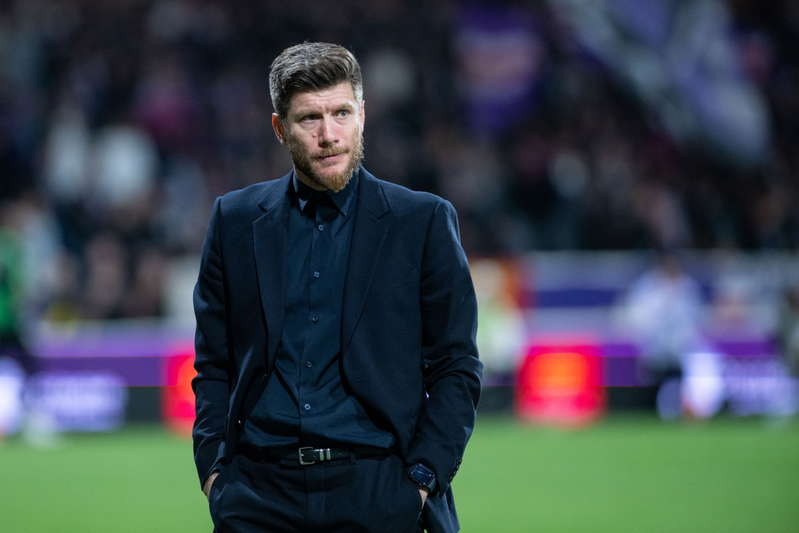
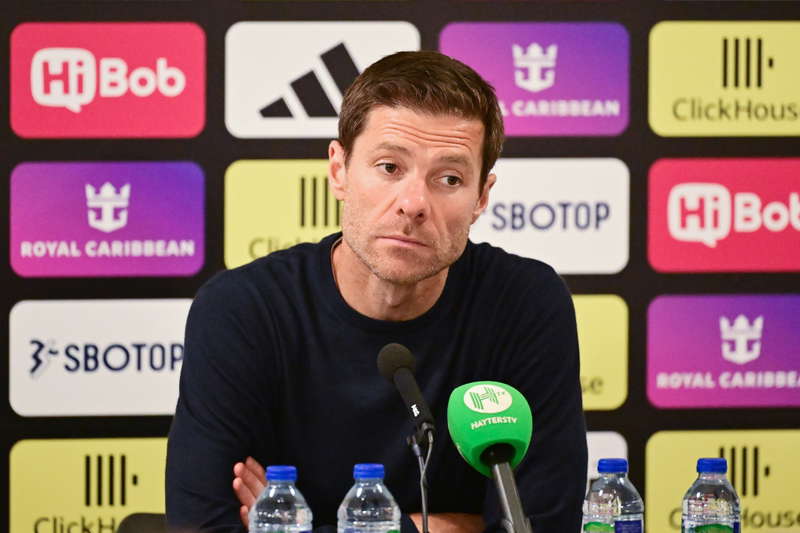
Sergej Jakirović summed up the mood from Hull's side when he told express.co.uk: "We can say everything is unfair in this last two weeks."
That line fits the wider picture. Hull had to block out the noise, deal with an opponent thrown into uncertainty, and then win a final decided by one late moment rather than any kind of sustained control.
There is also some context to where this team came from. Hull became the first team since Cardiff City in 2010 to win the play-offs after finishing sixth. That alone tells you this was not a side rolling into Wembley with everything neatly in place.
The form sample in the brief backs that up. Hull's last-10 sample was not the profile of a team gliding into promotion. This run was squeezed out through tension, not momentum.
How Hull made the final look like a Hull game
McBurnie's own quote after the match was revealing because it described the game almost exactly as it played out. He told goal.com: "For the first time ever, I think I'm speechless. It has been a long hard season and I think that games sums up. I don't think we've won a game when having more possession. I just felt like today it was written for me."
That was not just emotion. It was a fair summary.
Hull did not need to dominate the ball to control the final. The brief says possession was 32% to 68% in Middlesbrough's favour, yet Middlesbrough finished without a single shot on target. For all their territory, they never turned it into the kind of threat that should win a Wembley final.
That is where Hull deserve most credit. Promotion was built on resilience and a defensive edge that held all the way through the play-offs. They reached the Premier League without conceding a single goal across both semi-final legs and the Wembley final. In a match like this, that is not a side note. It is the reason a single late finish can be enough.
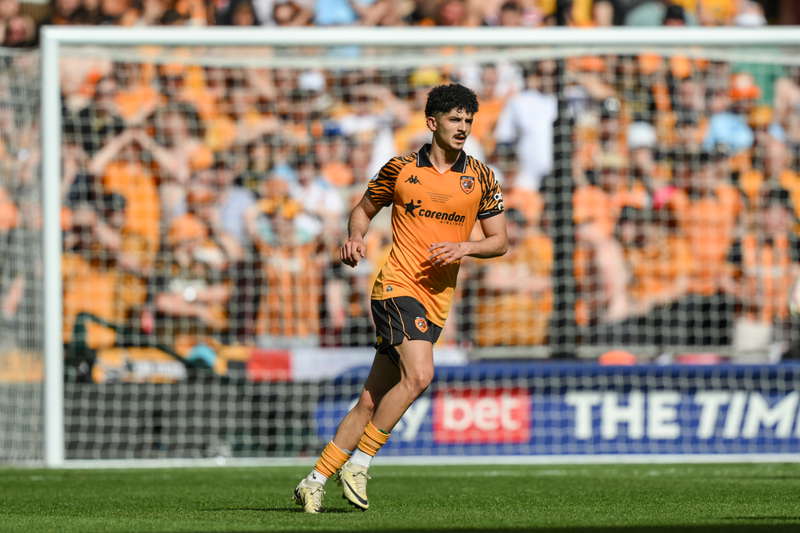
McBurnie's centre-forward display mattered beyond the goal as well. The brief credits him with six aerial duels won, which fits the way Hull played. He gave them an outlet, helped tilt the game up the pitch when they needed relief, and then took the one chance that arrived late.
His recent scoring sample is modest, just 1 goal in his last five logged matches, which makes the timing stand out even more. He had still played 361 minutes across those last five logged games, so Hull were keeping him involved and waiting for a moment exactly like this one.
What the Wembley result says about Hull now
This was not a promotion won with flourish. It was won with patience, defending and one decisive touch at the end.
That makes it easier to believe it will mean something beyond one dramatic afternoon. Teams that survive these games usually have at least one dependable trait, and Hull's was obvious right through the run. They kept clean sheets, stayed in matches and trusted they would get a chance.
The final followed that script almost to the letter. Middlesbrough had more of the ball, but Hull had the clearer plan. McBurnie's goal arrived late, in the fifth minute of second-half stoppage time according to one source set and the 95th minute according to Sports Mole, yet it did not feel random. It felt like the game Hull had been trying to create.
There was emotion in the celebrations too. Captain Lewie Coyle gave one of the post-match quotes that will stick with supporters, but the football point is simpler than the sentiment. Hull found a way through a messy build-up, defended their box properly and took the final when it opened up.
That is why the Spygate noise should not overshadow the result. The chaos was real and it shaped the occasion, but Hull were the better-equipped side to deal with the kind of match it became. They are back in the Premier League because they handled the mess and beat Middlesbrough 1-0 at Wembley.
FAQ
How did Hull City win promotion back to the Premier League?
Hull City beat Middlesbrough 1-0 in the Championship play-off final at Wembley, with Oliver McBurnie scoring the winner in the fifth minute of second-half stoppage time, logged as the 95th minute by Sports Mole. They also became the first team since Cardiff City in 2010 to win the play-offs after finishing sixth.
Why was the Hull City vs Middlesbrough play-off final surrounded by Spygate controversy?
The build-up was shaped by the Spygate fallout because Middlesbrough did not know for certain they would be playing until less than 72 hours before kick-off, after Southampton were expelled and then reinstated. Hull manager Sergej Jakirović described the previous two weeks as unfair.
Did Hull City dominate Middlesbrough in the play-off final?
No. Hull won 1-0 in a tense game rather than by dominating the ball. McBurnie said Hull rarely won when they had more possession, and the final followed that pattern. The stronger case for Hull was their control without the ball, including Middlesbrough finishing without a single shot on target.
How strong was Hull City's defence during the play-offs?
Very strong. Hull City reached the Premier League without conceding a single goal across both semi-final legs and the Wembley final. That defensive edge mattered again in the final, where Middlesbrough finished without a shot on target.
- bbc.co.uk
- dailyrecord.co.uk
- dailystar.co.uk
- express.co.uk
- football365.com
- goal.com
- independent.co.uk
- si.com
- skysports.com
- sportsmole.co.uk
- standard.co.uk
Written by Jack Mercer with AI-assisted research, cross-checked against 11 outlets. How we work →