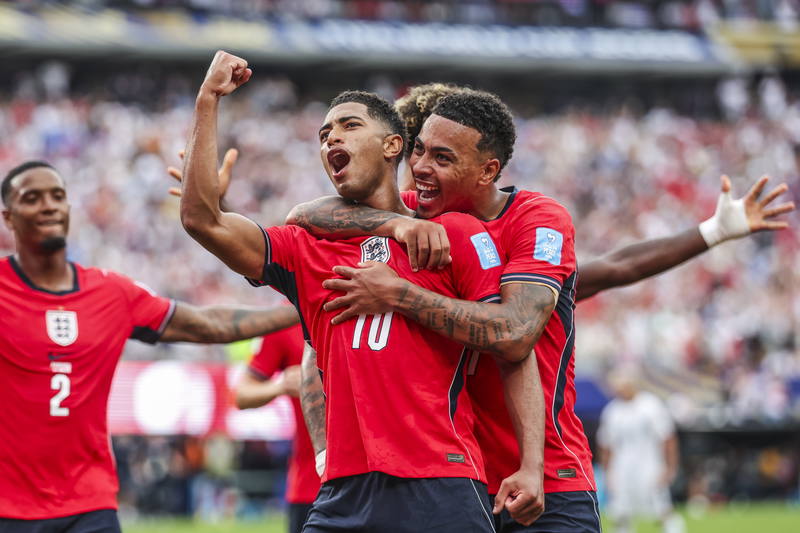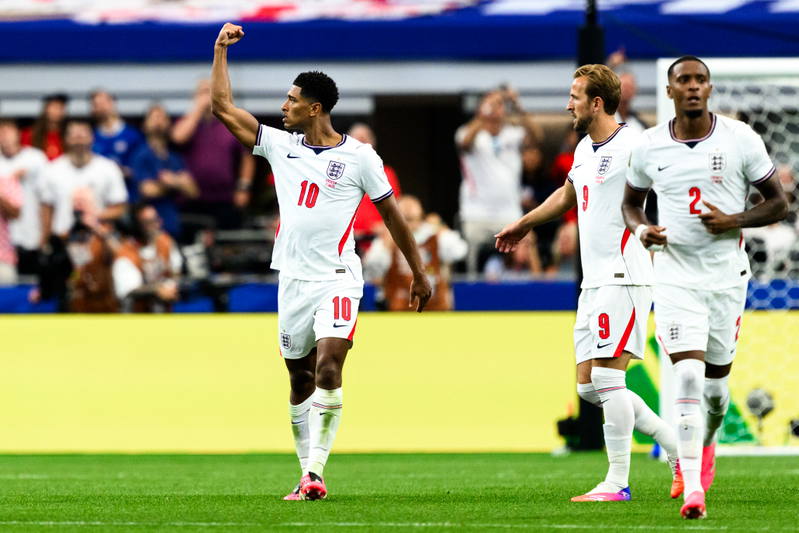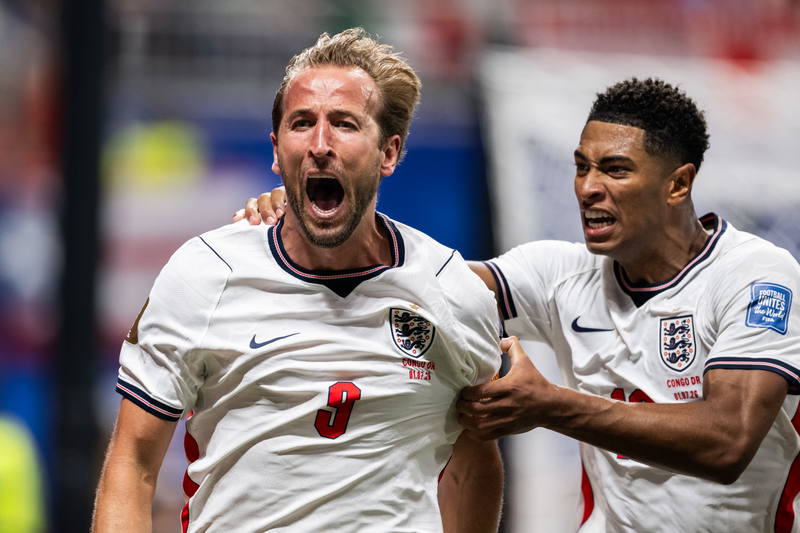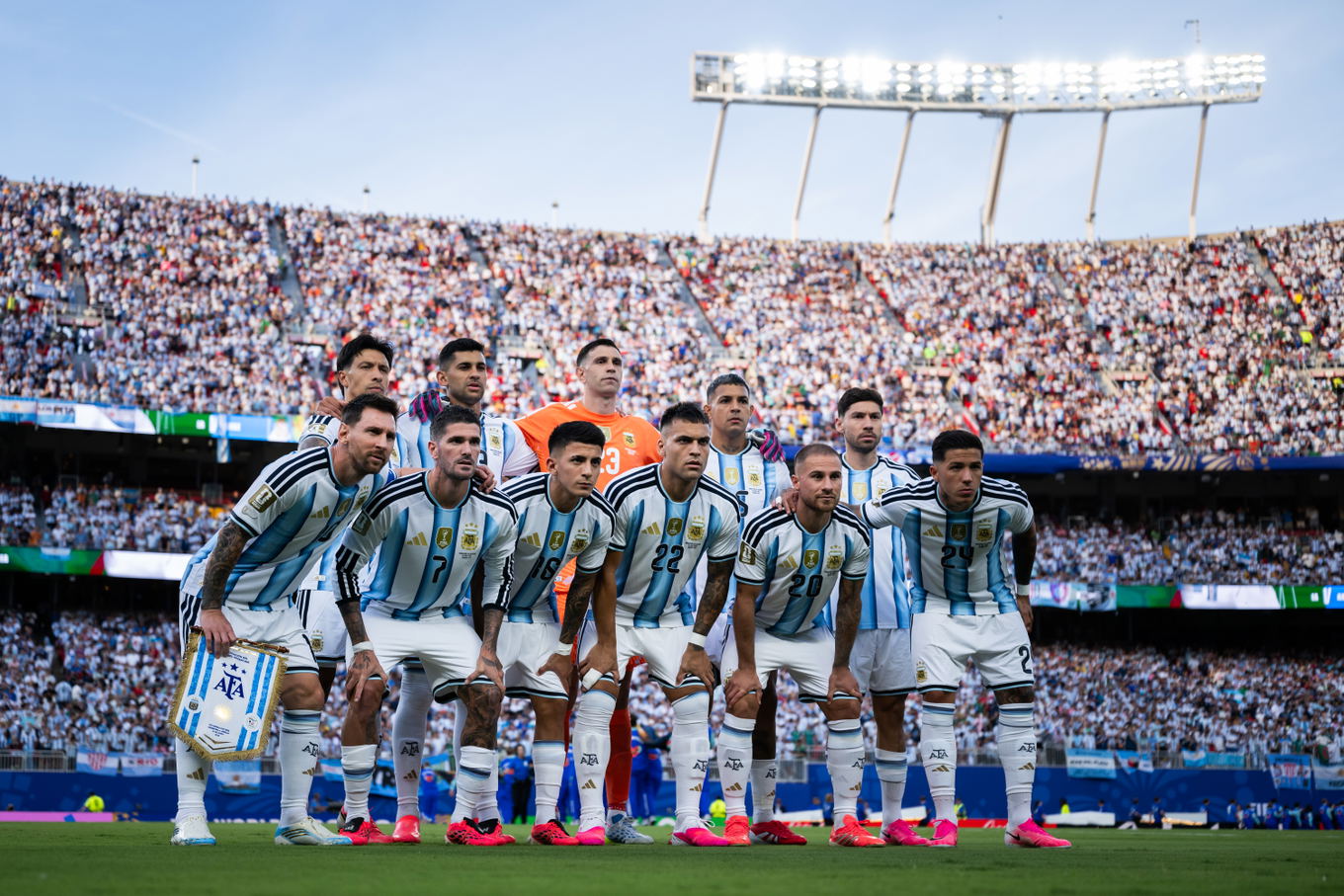
Ian Wright's description of England vs Argentina as a “real attritional war” has drawn sharp criticism from Falklands veterans, who say a football semi-final should never be compared with combat. Wright also said the match was “not just a game”, turning the broadcast build-up into a row about language as much as football.
Veterans push back on the comparison
Peter Robinson, a Falklands War veteran with 40 Commando, said: “Sport should be sport. Conflicts are conflicts. Never should the two meet. It's absolutely not a battlefield.” Simon Weston was even blunter, saying footballers are “hardly like they're risking their lives on the pitch” and that the tie had “no bearing or relevance” to what happened 44 years ago.
That is the line from the veterans: keep sport and war apart. On this issue, that view is hard to dismiss. The match may carry history, but the language used on air can still cross a line.
Tuchel and Kane want the football to stay in focus
Thomas Tuchel said the history was “irrelevant” as England should focus only on what they can influence. Harry Kane took a similar approach, saying players should not focus too much on the surrounding history and should treat Argentina as a smart, tactical opponent.
That is the more measured reading, and it has a point. England and Argentina were meeting for the first time in two decades, so the backdrop was always going to be heavy, but the most grounded voices in the build-up still pushed the conversation back to football. Wright went the other way, and that is why the backlash landed so quickly.
England's final-four tie against England vs Argentina has enough weight without adding war talk to it. The veterans' response, and the calmer tone from Tuchel and Kane, is the clearer line to take heading into kick-off.
- bbc.co.uk
- dailystar.co.uk
- express.co.uk
- football365.com
- football-italia.net
- givemesport.com
- metro.co.uk
- mirror.co.uk
- standard.co.uk
Written by Jack Mercer with AI-assisted research, cross-checked against 9 outlets. How we work →