

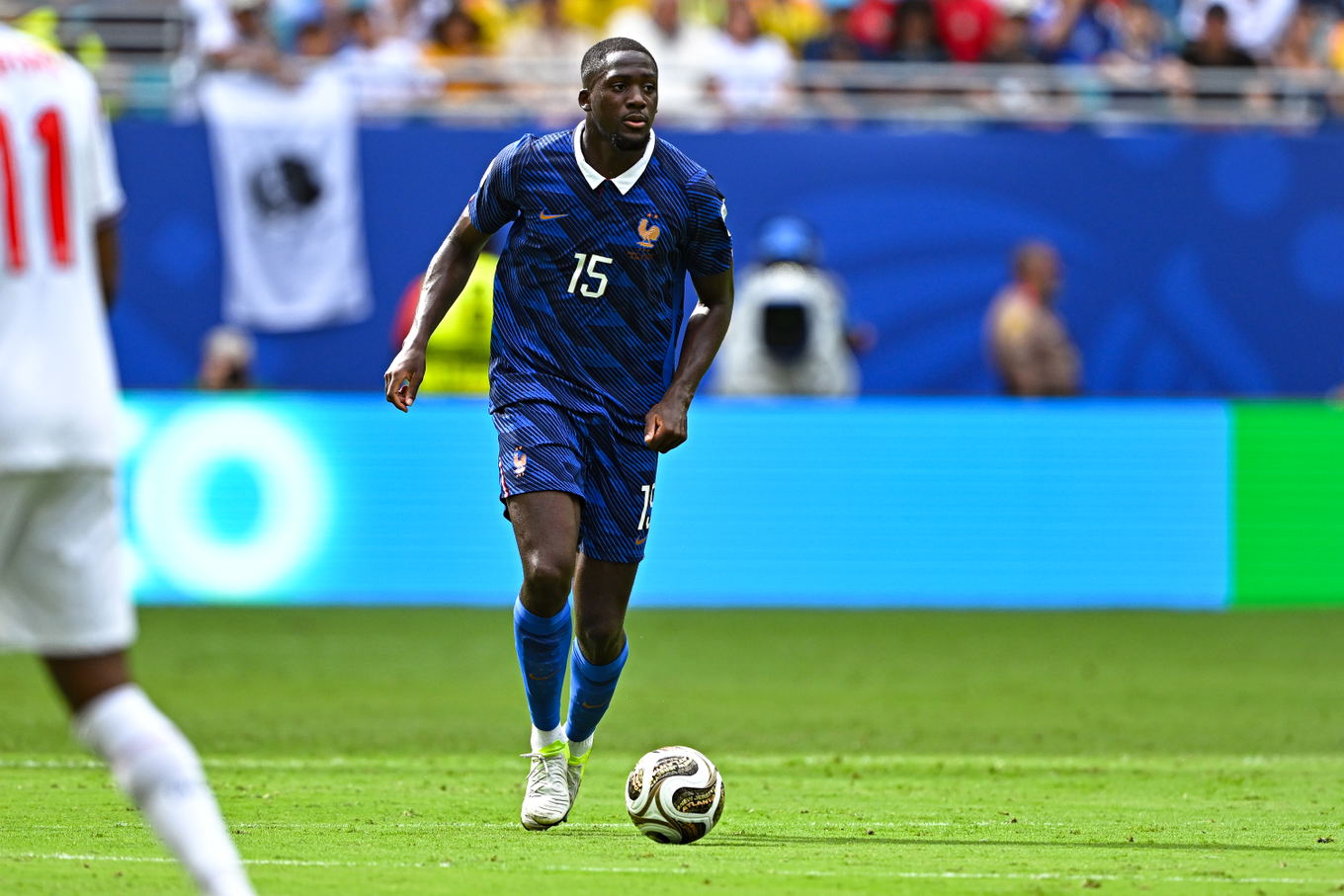
Ibrahima Konaté opened up about battling depression during a harrowing season of personal tragedy, describing the mental health struggle in blunt terms that challenge the myth of wealth as protection against illness. The Liverpool defender spoke to France Inter about processing the death of teammate and neighbor Diogo Jota in July and his own father's long illness and death in January - a cascading sequence of grief that left him never feeling "on the mend," despite making 51 appearances for the club.
"There are low points, there's depression," Konate said. "You can suffer from depression in football too; there's no need to be ashamed to say so."
The weight of consecutive loss
Konate was in Los Angeles when he learned that Diogo Jota and his brother André had died in a car crash while traveling back to Merseyside for pre-season training. The news devastated him. Beyond the loss of a teammate, Jota was his neighbor - someone Konate saw beyond the dressing room. "His locker was still there," Konate recalled, "and every day when I was going to training he was coming with us."
Six months later, Konate's father was hospitalized at the start of the season after a long illness. Konate faced an impossible choice: leave the club during an injury crisis or stay beside teammates who needed him. He stayed, then returned early from compassionate leave in late January to help Liverpool avert disaster in defense.
"There was never a moment when I felt like I was on the mend," Konate said. "All of these tragic events happened so quickly and as soon as I felt like I was getting my head above water, something else happened."
Speaking the unspeakable
Konate's clearest message was reserved for the myth that financial success insulates players from mental illness. "It's true that I've often heard players say they were suffering from depression and that fans or people on the outside didn't understand because they were earning a lot of money. But no, that's rubbish and you shouldn't say that."
He described depression in visceral terms: "It starts in the heart, goes up to the brain and takes over your whole body."
The breakthrough, he said, came only when he opened up. "I didn't know who to talk to about it, so I kept it all to myself. When you're feeling down or something's going on, you need to talk to those around you. It can help you and do you good."
Liverpool finished fifth in the Premier League that season. Konate's 51 appearances stood as a testament to professional obligation - a choice to show up for teammates and fans even when, by his own account, he was not healing. That resilience, he made clear, came not from strength but from learning to live with loss alongside people who mattered.
"I had the support of all these fans," he said, "but I also had to learn how to get back on my feet on my own because the team needed me more than ever."
Written by Jack Mercer with AI-assisted research, cross-checked against 4 outlets. How we work →