

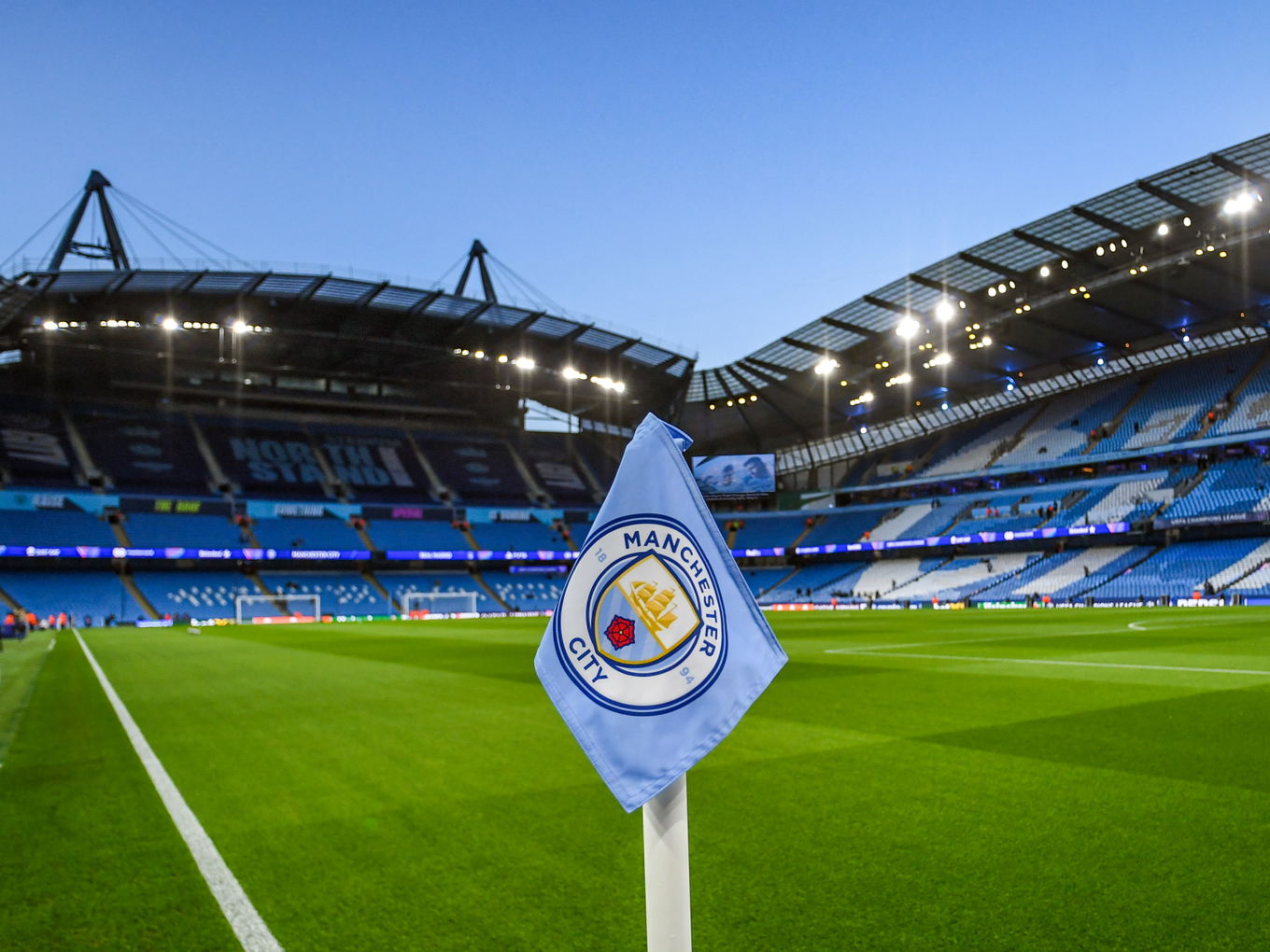
Jeremy Monga is now the centre of a live transfer battle. Arsenal had been pushing to sign the 16-year-old, but Manchester City have entered the race and the deal is described as advanced from City's side, which leaves Arsenal's earlier lead looking far less secure.
Arsenal's lead has been challenged
BBC Sport reported that City have entered the race to sign him, while The Athletic said the Gunners have dropped out of the race because the valuation is too high. Mirror and other reports still had Arsenal as the side that had been furthest along, so the picture is not fully settled, but the balance of noise has shifted quickly.
City are not being described as passive observers here. They have moved into the chase with enough intent to make this feel like a hijack rather than a routine pursuit, and that is a significant twist for a player who was already drawing serious attention.
Monga's age profile explains the interest
The appeal starts with how early he has already broken through. Monga came off the bench for Leicester against Newcastle United on April 7, 2025, aged 15 years, 8 months and 28 days in a 3-0 defeat. He also became Leicester's youngest-ever scorer when he netted against Preston North End in August.
His senior output is modest but useful: 1 goal and 2 assists in 27 Championship appearances. He also made 30 appearances in all competitions during the 2025/26 campaign, and his Premier League debut came at 15 years, 271 days. That is the sort of age profile that gets bigger clubs moving before the numbers ever look finished.
Leicester's recent run has not helped calm the wider picture either. Their last 10 results have been mixed, which only adds to the uncertainty around how quickly the club can keep hold of a talent like this.
City's arrival does not confirm the move, and it does not close the Arsenal side of the story either. What it does do is turn the Jeremy Monga pursuit into a genuine race, with the next update likely to focus on whether Arsenal can hold their position as Manchester City keep pressing.
Written by Jack Mercer with AI-assisted research, cross-checked against 5 outlets. How we work →