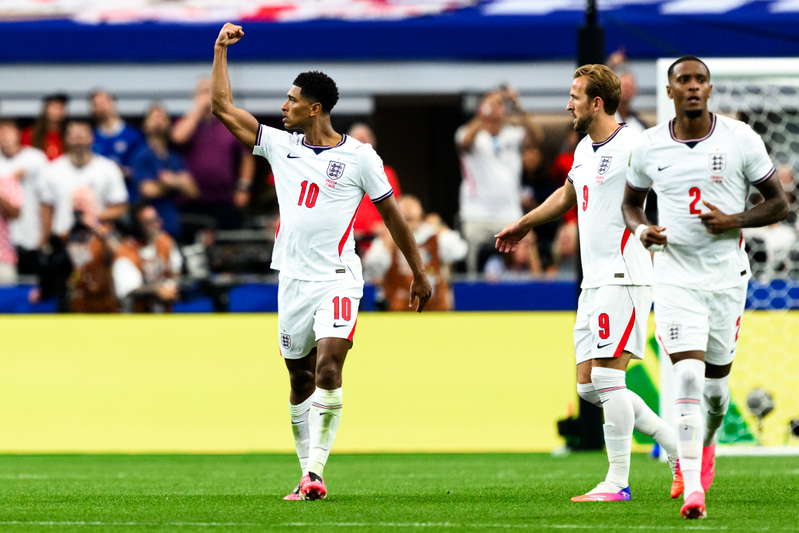



Thomas Tuchel has praised Jude Bellingham as being in a "sweet spot" of form before the tournament. He also wants England to keep working in patterns and units, not just hand the game to individual quality when things tighten up.
"He buys fully into all the things we demand as a team player, and then he brings his own individual quality to decide football games," Tuchel said. That is a neat summary of why Bellingham keeps standing out, but it is not an invitation for England to drift into hero-ball.
Bellingham's role in England's attack
Tuchel's other line was even plainer. "If you look carefully, sometimes it's just a run from someone else to open the space up for Jude so that he can shine. They work in units," he said.
That was visible against Panama, where Bellingham opened the scoring and later assisted Harry Kane in the same match. He has 3 World Cup appearances in 2026, 2 goals, 1 assist and a 7.8 tournament rating, which is a tidy enough return for a player Tuchel clearly views as central.
The asterisk pundits raise
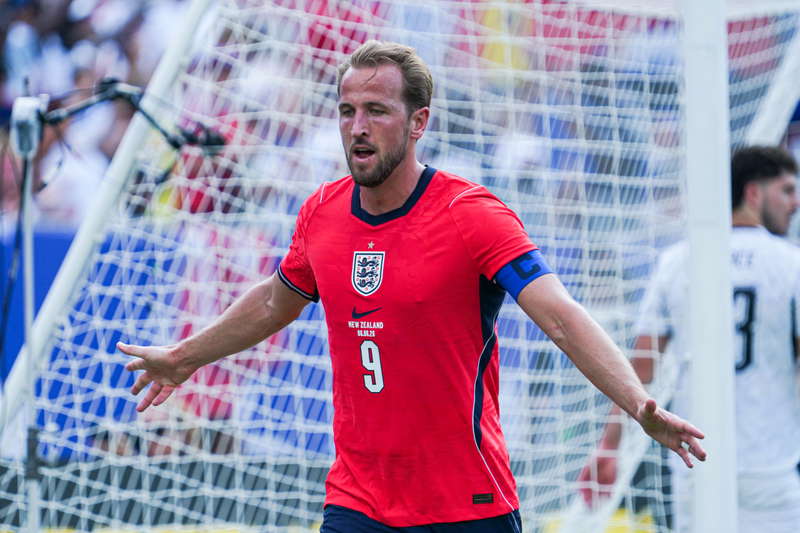
The wider argument around England is less about Bellingham's quality than about dependency. The Independent has already pointed out that Bellingham and Kane have scored 5 of England's 6 goals at World Cup 2026, which gives the criticism a fair amount of weight.
Tuchel's answer is not to downplay that output. It is to insist that the rest of the side have to keep creating the conditions for Bellingham to make the difference, with runs, spacing and repetition doing some of the work that pure talent cannot do on its own. That is where Bukayo Saka, with 2 World Cup assists in 2026, fits into the picture even if Tuchel's main point is about the structure rather than any one helper.
Bellingham looks as important as Tuchel says, and the numbers around him support that. England's challenge is making sure the attack does not become so dependent on Bellingham and Kane that it narrows once the opponents get organised.
Written by Jack Mercer with AI-assisted research, cross-checked against 5 outlets. How we work →