

Two Jude Bellingham goals decided the game for England, but the real post-match argument came from the equaliser at 45+2. Norway claimed the ball may have touched an overhead cable in the build-up, FIFA said its Connected Ball data showed no evidence of contact, and VAR let the goal stand. Bellingham was still England's best player on the night, finishing with an 8.5 rating and a brace, yet the debate around the first goal was always going to dominate.
The goal and the complaint
The flashpoint in Norway vs England came just before half-time, when Bellingham scored England's equaliser in minute 45+2 before later adding a second goal.
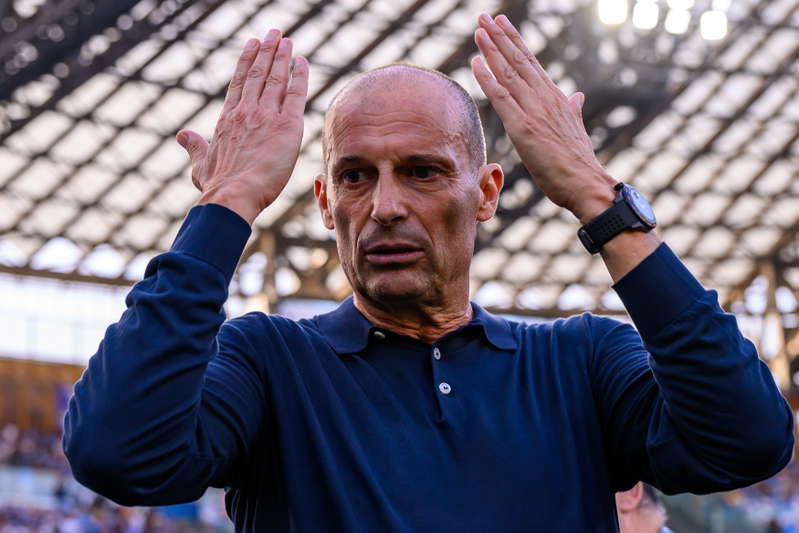
Norway goalkeeper Ørjan Nyland furiously protested to referee Clement Turpin after the ball appeared to touch a cable above Miami Stadium in the build-up. Stale Solbakken and Norway's coaching staff then remonstrated with Turpin at half-time as well.
Solbakken did not sound convinced by what he saw. Speaking to independent.co.uk, he said: "I can't say anything about that because Fifa. If there's no been no sound or there has been no (reading) in the chip, what can I say against that? But the ball drops down straight from heaven says everyone, including Orjan, who is the goalie, including the guy who is going to receive the ball. I saw another way just then, so I wonder also what happened. I think it's pretty clear that it did and it was a strange thing."
He was just as blunt on the sense of grievance, even while accepting nothing would change. Solbakken said: "Yeah, it probably will. That was unlucky for us. The ball fell straight down from the sky, so it changed its direction. It became a misunderstanding among our players and it was in a bad moment for us, but we can't do anything about that. I don't think we will play the game again, so that's how it is."
FIFA's data and the VAR argument
FIFA's defence of the decision rested on the ball technology. Its statement said: "Before England's goal in minute 45+2 against Norway, the sensor in the Connected Ball showed no peak in the 'heartbeat of the ball' when in the air, and therefore no evidence that the ball touched the overhead wire and changed the movement of the ball."
That leaves two positions. Norway believed the ball changed direction enough to cause confusion, and Nyland's reaction made clear how strongly they felt about it. FIFA relied on the Connected Ball reading and stood by the decision not to overturn the goal.
Mark Clattenburg took the Norway side on process, even if the technology pointed the other way. He told independent.co.uk: "VAR can interfere if that contact of the ball on the camera cable is part of a reviewable incident. An attacking phase of play leading to a goal is part of the var reviewable incident. It should have been picked up by the VAR."
That criticism has some force. If players and coaches on one side are convinced the ball behaved unusually, and an ex-referee is arguing the incident sat inside a reviewable phase, the lack of intervention will keep the debate alive. Still, the hardest fact to get around is FIFA's own line: the Connected Ball sensor showed no peak before the goal.
Bellingham still owned the match
The row should not bury what Bellingham actually did on the pitch. He scored twice, he was England's highest-rated player at 8.5, and he turned the game in Thomas Tuchel's favour when the pressure was building.
That is why the incident is awkward for Norway. The complaint centres on England's first goal, but Bellingham still added another later in the match, so the result cannot be reduced to one strange stoppage-time moment alone.
The controversy will sit alongside the headline because it is unusual and unresolved in the eyes of Norway. The official record, though, is straightforward enough: England's 45+2 equaliser stood after VAR did not intervene, and Bellingham finished the night with two goals.
FAQ
Why was Jude Bellingham's goal against Norway controversial?
England's equaliser at 45+2 became controversial because Norway argued the ball may have touched an overhead cable in the build-up. Goalkeeper Ørjan Nyland protested to referee Clement Turpin, and Norway's bench continued the complaints at half-time. FIFA later said its Connected Ball sensor showed no evidence of contact.
Did VAR check the cable incident in England vs Norway?
The goal stood because VAR did not intervene. Mark Clattenburg argued that if the ball touched the cable during an attacking phase leading to a goal, it should have been part of a reviewable incident. FIFA's position was different, saying the Connected Ball data showed no peak in the ball's heartbeat before the equaliser.
What did FIFA say about the ball hitting the wire against Norway?
FIFA said the sensor in the Connected Ball showed no peak in the heartbeat of the ball while it was in the air before England's 45+2 goal. On that basis, FIFA said there was no evidence that the ball touched the overhead wire and changed its movement.
How well did Jude Bellingham play against Norway?
Bellingham was still the standout performer on the pitch despite the argument around the goal. He scored England's equaliser at 45+2 and later added a second goal, finishing with an 8.5 rating, the highest among England's players in the match.
- barcauniversal.com
- bavarianfootballworks.com
- chroniclelive.co.uk
- dailystar.co.uk
- express.co.uk
- goal.com
- independent.co.uk
- madriduniversal.com
- mirror.co.uk
- standard.co.uk
Written by Jack Mercer with AI-assisted research, cross-checked against 10 outlets. How we work →