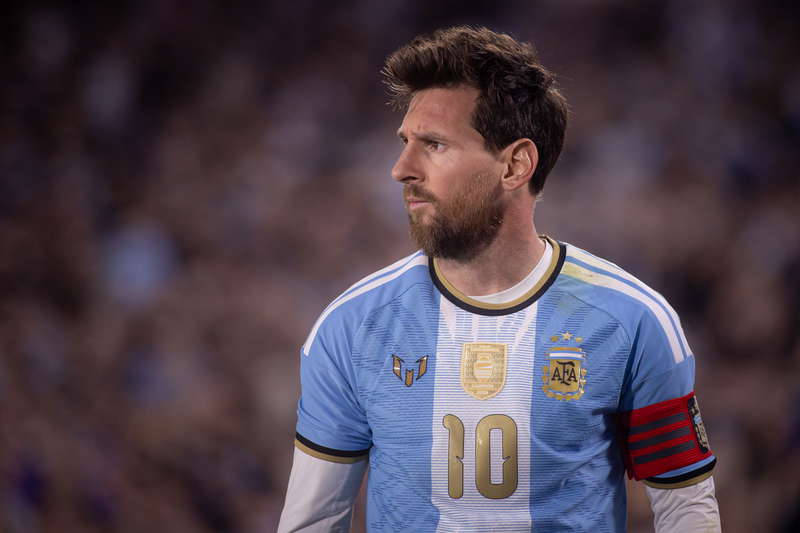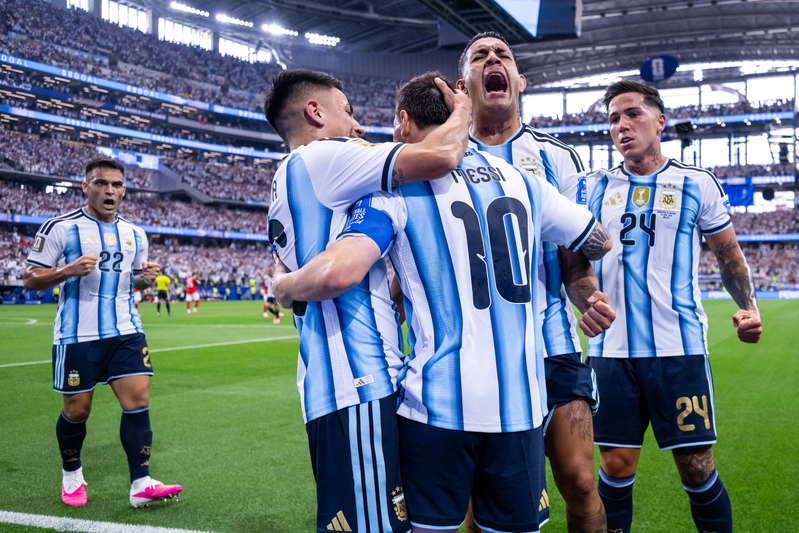


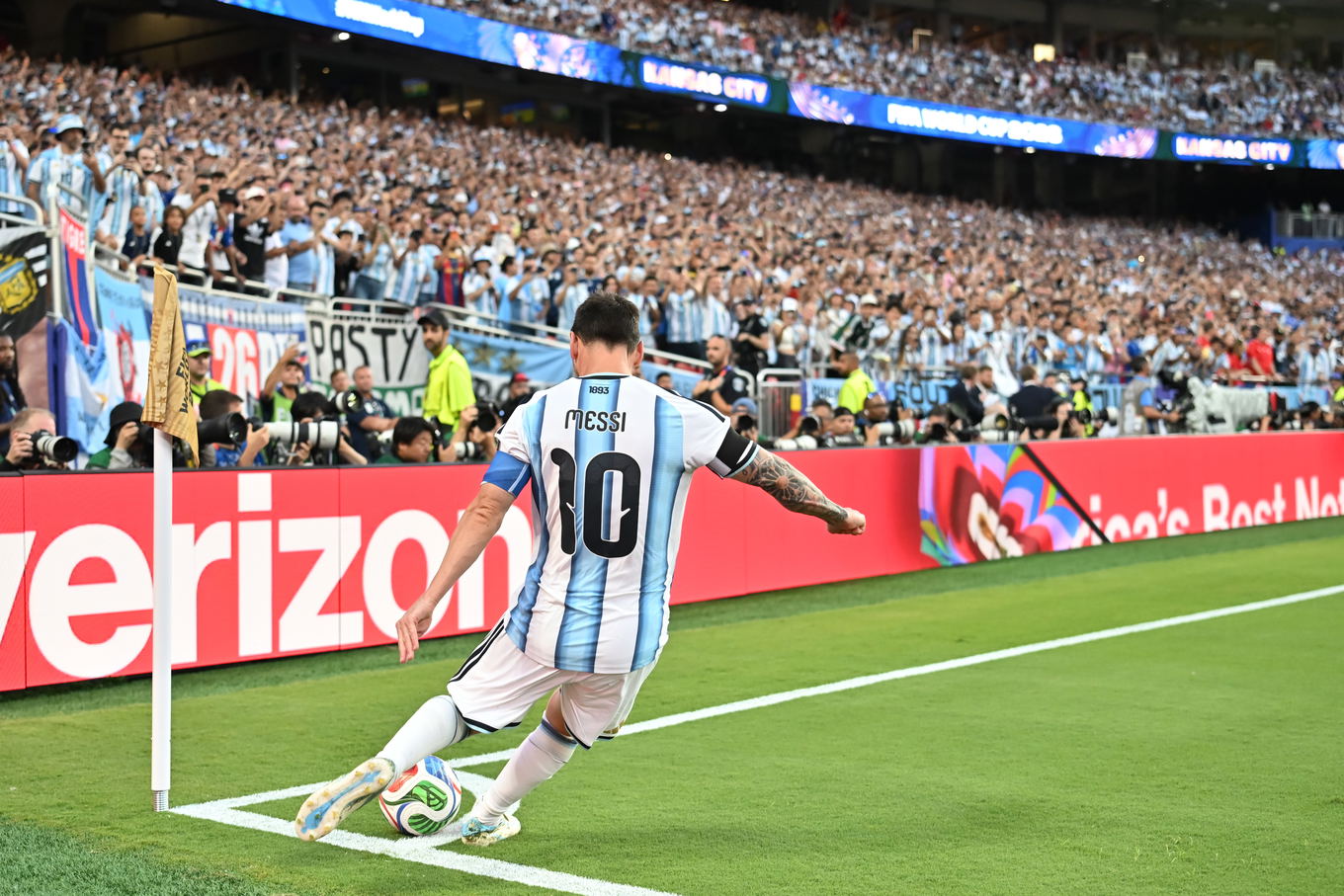
Lionel Messi goes into Argentina's World Cup semi-final against England with eight goals, two assists, 33 shots and 21 chances created. The striking part is not just the production. It is the economy. Messi is averaging 8.2km per 90 minutes, walking 47% of the distance he covers, and still shaping almost everything important in Argentina's attack.
Messi's low-running, high-impact game
There is a temptation to read reduced movement as decline. The numbers here point somewhere else. Messi is covering less ground and sprinting less, just 2.7 sprints per match, down from 5.3 four years ago, but he remains the tournament's most decisive all-round attacker.
His 33 shots and 21 chances created are the most combined by any player at a World Cup since Diego Maradona in 1986. That combination is what makes this version of Messi so awkward to defend. He is still finishing moves, and he is still building them.
The 47% walking share is the highest of any outfield player at the tournament. Rather than chasing every phase, he is preserving energy for the moments that hurt teams. It is hard to call that passive when the end product is eight goals and two assists in six matches for Argentina.
John Terry put it more simply when speaking to metro.co.uk: "It's very difficult to stop him when he really want to, he can produce a little bit of magic at any moment."
That feels closer to the point than any lazy running debate. Messi is not trying to look busy. He is trying to decide matches, and he is still doing it.
The central role that changed everything
This version of Messi did not appear out of nowhere at 39. The roots go back to 2 May 2009 at Santiago Bernabeu Stadium, when Guardiola moved him off the wing and used him as a false nine in a La Liga match that Barcelona won 6-2.
Frank Rijkaard had already explained the value of getting him inside. He told bbc.co.uk: "Right in the centre of things. The more he touches the ball, the better for the side."
Messi later described what Guardiola added to that shift. Speaking to bbc.co.uk, he said: "I didn't used to pay much attention to tactics. But with Guardiola I learned an enormous amount. I started to understand spaces, ball retention, how the game really works."
That education matters now because the semi-final version of Messi is less about volume dribbling from the right and more about choosing the exact point where a defence breaks. He drops into spaces, slows the game when it suits him, then speeds up the key pass or the finish. For an older forward, that is the sensible evolution. For opponents, it may be even worse because he is harder to read.
England's semi-final problem
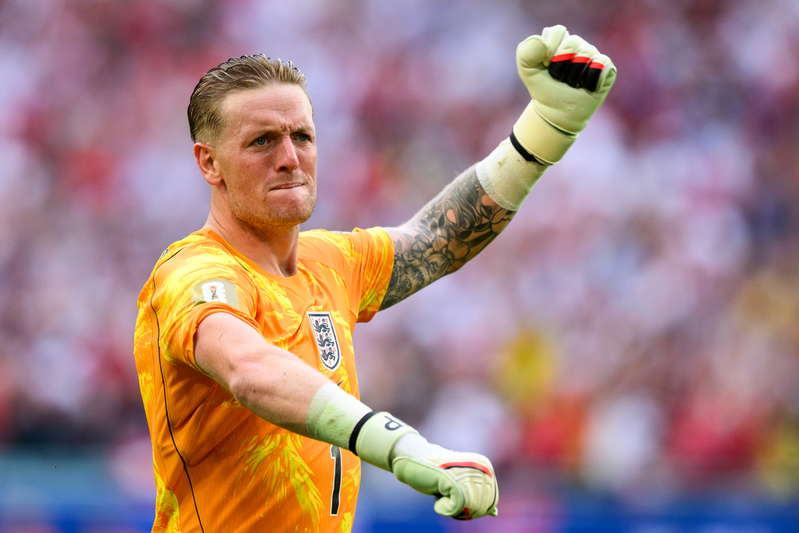
England vs Argentina on Wednesday at Atlanta Stadium will not be decided by reputation, but England still have to solve the player everything runs through. Messi's broader World Cup sample underlines the scale of that task: in his past 15 appearances in the competition, he has 16 goals and seven assists.
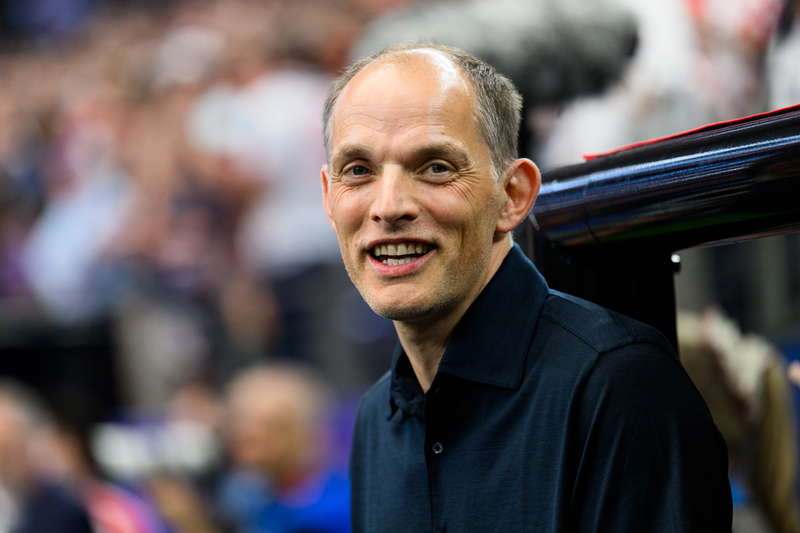
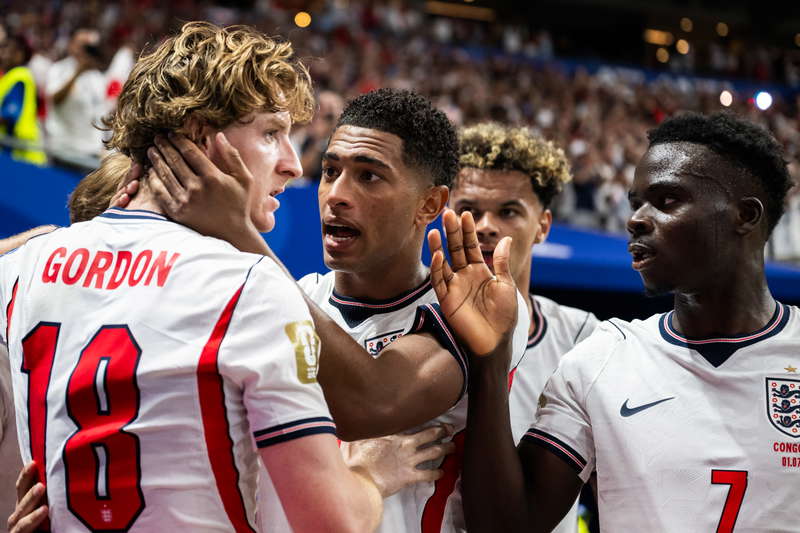
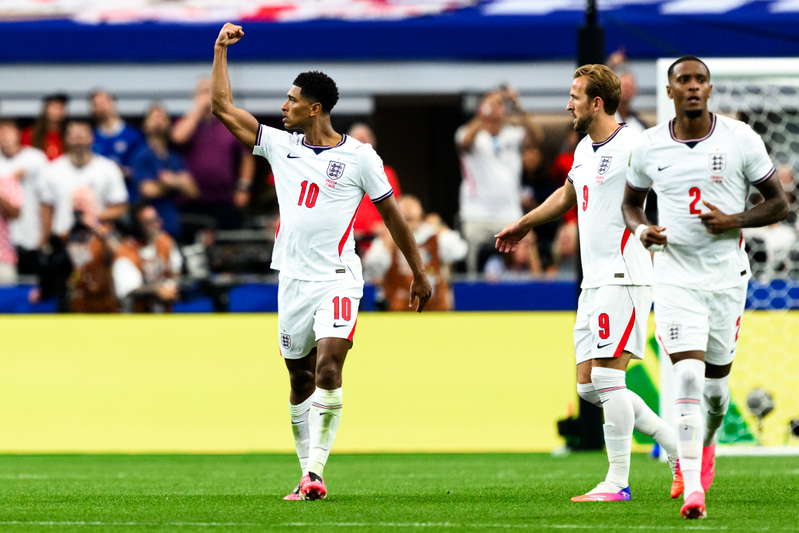
England have threats of their own. Jude Bellingham has six tournament goals, and Harry Kane remains part of the attacking reference point, but the semi-final is likely to turn on whether Thomas Tuchel's side can limit Messi's access between the lines without opening bigger spaces elsewhere.
John Terry also admitted England have not always convinced in full flow, saying: "It's incredible. We keep finding a way don't we? Without playing too well." That resilience may keep the game alive. It does not remove the central issue.
Messi is still creating more while moving less, and England are facing him at a stage where small moments decide everything. Wednesday's semi-final at Atlanta Stadium is the next test of whether anyone at this tournament can stop that trade-off from working.
FAQ
Why is Lionel Messi running less for Argentina at this World Cup?
Messi is averaging 8.2km per 90 minutes and walking 47% of the distance he covers, the highest share of any outfield player at the tournament. The key point is that Argentina are still getting decisive output from him: eight goals, two assists, 33 shots and 21 chances created.
How has Lionel Messi changed his role for Argentina before the England semi-final?
Messi is operating more as a central problem-solver than a constant runner. He is still the focal point of Argentina's attack, but with less volume in his movement and more value in the moments that decide games. His current tournament return is eight goals, two assists, 33 shots and 21 chances created.
What makes Lionel Messi such a difficult problem for England in the World Cup semi-final?
England are facing a player who still decides games without needing to dominate physically. Messi has eight goals and two assists at this World Cup, and over his past 15 World Cup appearances he has 16 goals and seven assists. John Terry's warning was blunt: he can produce magic at any moment.
Did Pep Guardiola change Lionel Messi's position at Barcelona?
Yes. On 2 May 2009 at Santiago Bernabeu Stadium, Guardiola moved Messi off the wing and used him as a false nine in a La Liga match that Barcelona won 6-2. That shift is a useful reference point for how Messi learned to control games from central areas rather than simply attacking from the flank.
Written by Daniel Hartley with AI-assisted research, cross-checked against 5 outlets. How we work →