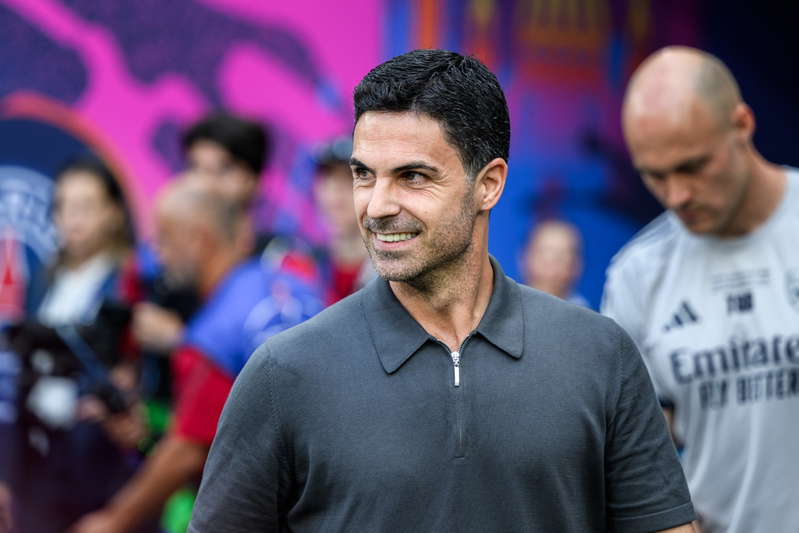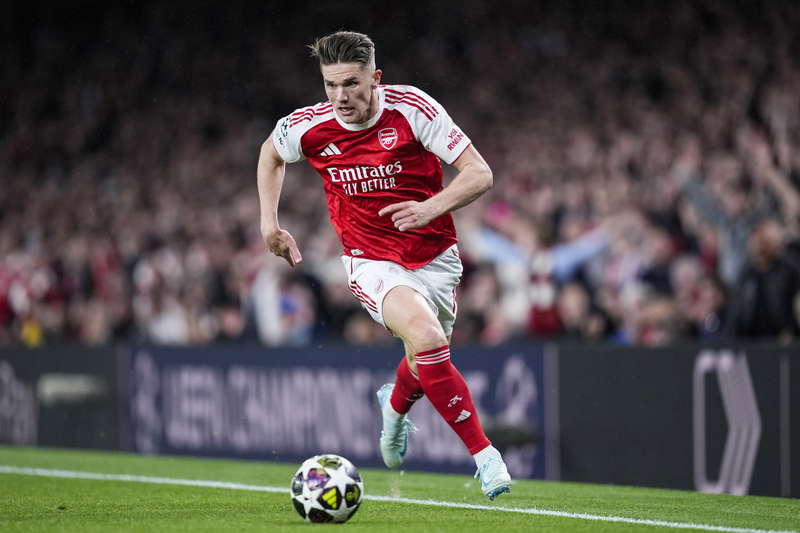


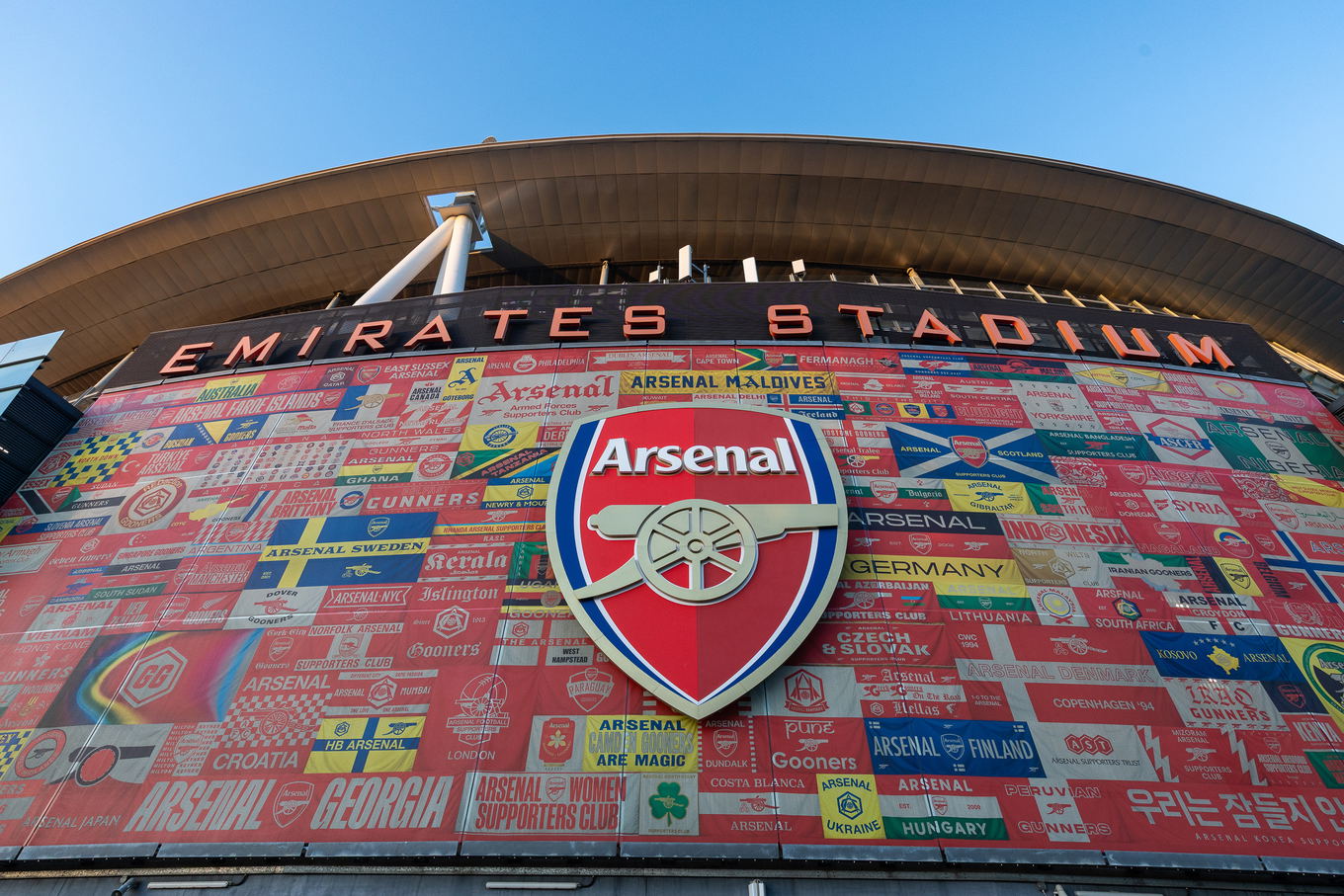
Mikel Arteta goes into the LMA Manager of the Year conversation as the clearest front-runner after Arsenal won the Premier League title, their first league title since 2004. Arsenal finished first with 82 points, and the finish was sharpened by the way they answered a March wobble, winning their final five league games to become champions.
Why Arteta has the strongest case
That run matters because the award is being framed around seasons that changed a club's recent history, not just around raw achievement. Arteta's case starts with the title itself, but it is strengthened by how Arsenal closed the season when pressure was building.
BBC Sport framed it as the obvious benchmark of the year, while Mirror Sport put it bluntly: "Mikel Arteta led Arsenal to his first league title as a manager and their first Premier League triumph since the Invincibles in 2004."
The numbers back that up. Arsenal's 1st-place finish and their five-game winning streak give Arteta the most straightforward argument in the field, even before the wider shortlist is considered.
The rest of the field is built on firsts too
Unai Emery has a real case because the race is not just about league titles. Mirror Sport said: "Unai Emery continues to perform wonders at Aston Villa and claimed his fifth Europa League, which saw Villa's first European title since 1982."
There is one caveat here. The verified stat pack only supports Aston Villa's European finish, so the historical trophy count should be treated as Mirror Sport's claim rather than the stat line itself. Even so, Villa's season was strong enough to keep Emery in the frame, with a fourth-place Premier League finish on 62 points.
The wider shortlist also gives the award a proper overachiever feel. Regis Le Bris guided Sunderland into Europe via a seventh-place finish after promotion through the play-offs. Frank Lampard led Coventry back to the Premier League. Michael Skubala took Lincoln to League One glory with over 100 points, 26 points ahead of third. Adam Woodman secured Bromley’s first-ever promotion into the third tier, and Bromley became only the third club this century to go unbeaten at home in the fourth tier.
That is why this does not feel like a standard manager-of-the-year race. Arteta has the cleanest title case, but the shortlist is crowded with seasons that delivered something a club had not had for years. If the LMA leans toward the biggest league prize, Arteta should win it. If it wants the most striking overachievement, the list gives it room to argue.
FAQ
Why is Mikel Arteta favourite for the LMA Manager of the Year award?
Arteta leads the race because [Arsenal](club:arsenal) won the Premier League title, their first league title since 2004. Arsenal also responded to a March wobble by winning their final five league games, which makes his case the clearest in a season built on firsts and comebacks.
Does Unai Emery still have a strong case for LMA Manager of the Year?
Yes. Unai Emery’s case is built on [Aston Villa](club:aston-villa)’s European run and league finish, plus the claim that he won his fifth Europa League and delivered Villa’s first European title since 1982. The article frames that as a serious rival to Arteta, not a token mention.
Which surprise managers are in the LMA Manager of the Year conversation?
Regis Le Bris, Frank Lampard, Michael Skubala and Adam Woodman all feature in the wider race. Le Bris guided Sunderland into Europe after promotion through the play-offs, Lampard led Coventry back to the Premier League, Skubala took Lincoln to League One glory, and Woodman secured Bromley’s first-ever promotion into the third tier.
Written by Jack Mercer with AI-assisted research, cross-checked against 4 outlets. How we work →