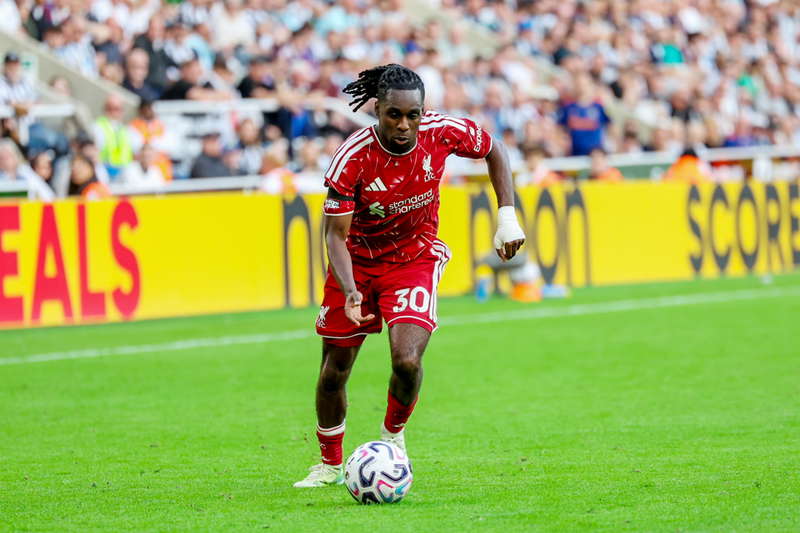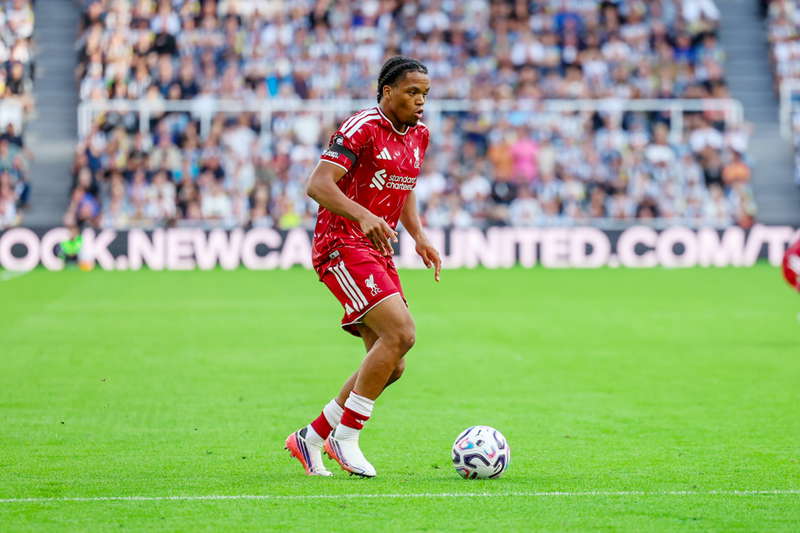



"I'm 100% and being out of games at Liverpool was to prepare me for the World Cup." That was Alisson Becker earlier this year, confirming a strategy that has since cast a shadow over Liverpool's season. Now Alexis Mac Allister's World Cup performance is forcing supporters to ask the same uncomfortable question: were Liverpool players deliberately managing their fitness for international football, or has the club's system exhausted them?
The contrast appears stark initially. Mac Allister played seven games for Argentina, logging 665 minutes with a 6.77 rating. His involvement was consistent throughout the tournament, with performances that looked sharp during the knockout stages. But that impression dissolves when checked against the numbers. In Liverpool's last five Premier League matches, he averaged 6.74. The ratings are nearly identical. The gap is not about the player or a sudden decline. It is about context and personnel.
The tactical explanation
Liverpool Echo's analysis identified the structural differences: "The slower pace of the game and being surrounded by a settled group of players and without quite the same defensive responsibilities as at Liverpool under Arne Slot have benefited Mac Allister." At international level, the game moves slower, the midfield partnerships are established, and his defensive load is lighter. At Liverpool, he covered more ground, defended more systematically, and functioned within a system that was inconsistent under Slot.
What complicated this picture was Mac Allister's exceptional availability. No player appeared in more matches for Liverpool in 2025/26. Yet his form proved variable, reaching a low of 6.3 in May. This was not an absence or rotation issue. He played nearly every week but did not consistently perform at his best - a sharper puzzle than straightforward injury would present.
The contract standoff
As Mac Allister excelled for Argentina, Liverpool maintained silence on his future. His contract runs until 2028, leaving two years remaining. The club has not initiated renewal talks, contrasting sharply with peers like Dominik Szoboszlai and Ryan Gravenberch, both of whom have already secured new terms. This quiet reflects Liverpool's wait-and-see approach.
Mac Allister cost £35m from Brighton in summer 2023. What Liverpool faces now is a data point without a clear answer. His World Cup performances did not reveal a player in decline. They revealed a midfielder who operates best in different circumstances - slower games, settled partnerships, lighter defensive load. Whether incoming manager Andoni Iraola can engineer those conditions, or whether Mac Allister thrives only on international duty, will be answered in the months ahead.
Written by Jack Mercer with AI-assisted research, cross-checked against 3 outlets. How we work →