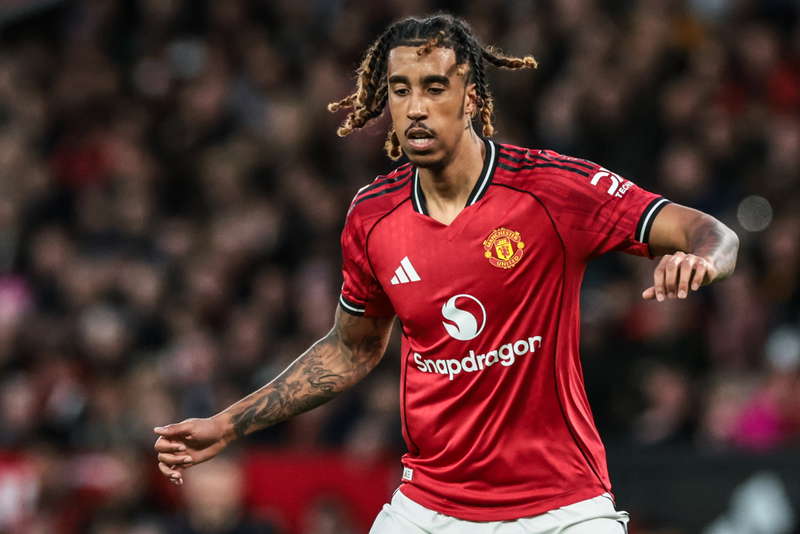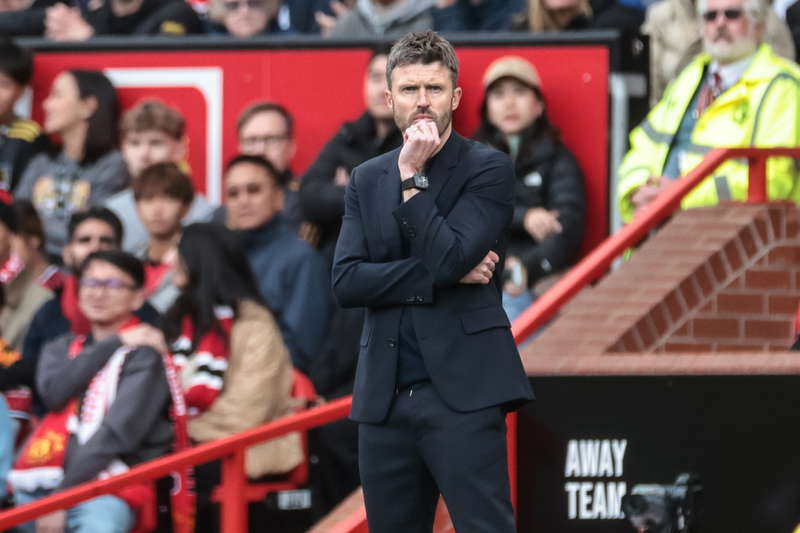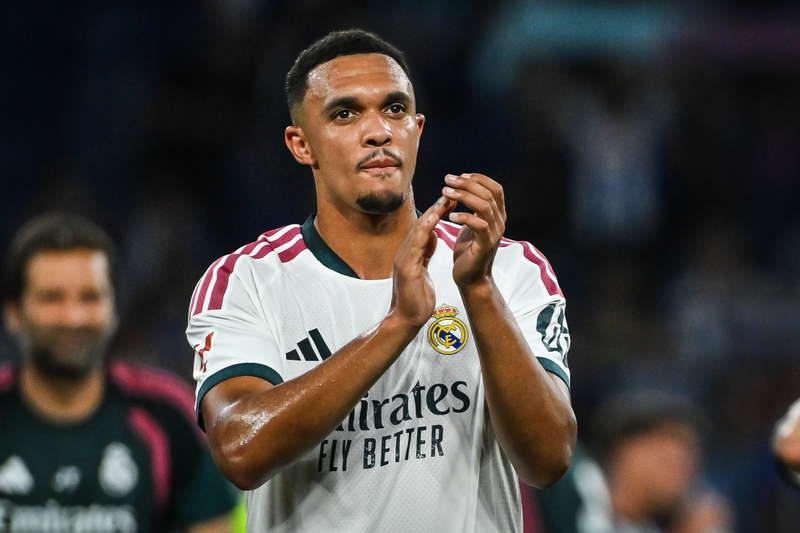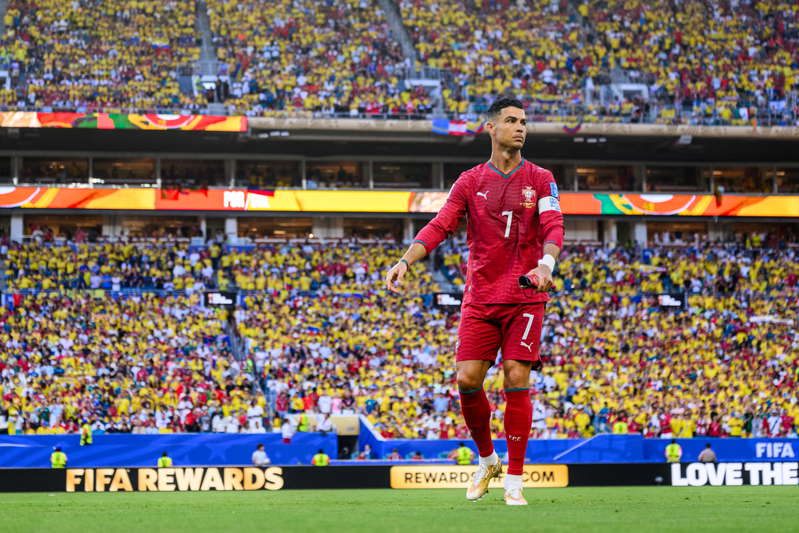


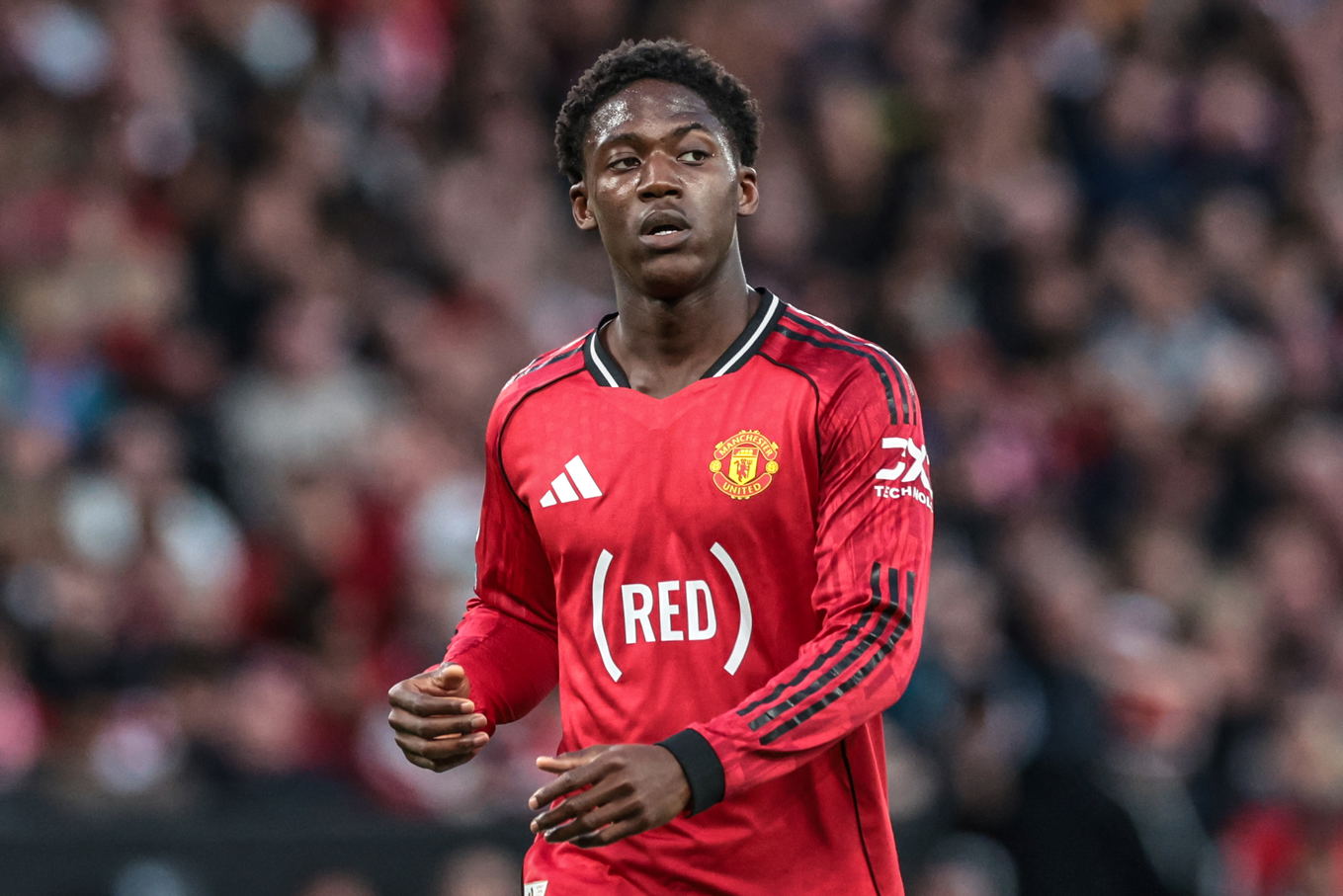
"Kobbie Mainoo is a young man who is really good with the ball, but does not know the position," Graeme Souness said. It was not a casual critique. Souness's analysis cut to the heart of why Kobbie Mainoo found himself selected by England for the World Cup but deployed in zero minutes. His greatest strength - retaining possession under pressure, building play from deep - had become a tactical liability under Thomas Tuchel's defensive doctrine.
Mainoo and Trevoh Chalobah were the only outfield players to earn zero minutes across all of England's World Cup matches. That alone was striking. More revealing was the trajectory: Mainoo started the Euros final two years ago but had fallen out of the England picture entirely by the World Cup. Not injured, not overlooked - selected and unused, a contradiction that demands explanation.
Souness's critique went deeper than simply questioning selection. "He doesn't know the position of trying to get that game back on side," Souness explained. "He empties the midfield too soon. That's my dislike of Kobbie Mainoo at this moment in time." The issue was not creativity or passing range. It was recovery: the ability to reset the midfield shape when possession was lost. That gap in positional discipline made Mainoo a mismatch for Tuchel's system, which prioritised defensive stability above all else.
The locked-in midfield hierarchy
Declan Rice and Elliot Anderson formed England's midfield pairing throughout the World Cup, a partnership locked into place by Tuchel's tactical approach. Rice averaged 7.3 across seven appearances and 578 minutes, Anderson 7.11 across eight matches and 658 minutes. Both delivered the defensive security Tuchel demanded. With Jordan Henderson sidelined by an arm injury after the Mexico match, the opportunity to integrate Mainoo presented itself - a natural opening for a midfielder of his capability. Tuchel did not take it.
This was not a failure of selection logic. It reflected a deliberate tactical doctrine. Rice and Anderson were not ball-retention specialists; they were defensive anchors, midfielders tasked with winning back possession and protecting shape. Mainoo's strengths - retaining the ball, building play under pressure - were irrelevant to that system. In fact, they risked destabilising it. A midfielder who slowed the game to construct attacks made no sense when the entire architecture was built to absorb pressure and transition on the counter.
Club form that could not translate
The contradiction stung precisely because Mainoo had thrived at club level. He averaged 7.08 across his final ten Premier League matches, playing 90+ minutes in nine of them under Michael Carrick. Manchester United finished third with 71 points in 2025–26, a finish built partly on Mainoo's presence in midfield. His role was to control tempo, to set the rhythm of play. At club level, that skill was not just valued - it was essential.
Yet that form counted for nothing at international level. Tuchel's World Cup squad operated on a different principle: not who played best in the league, but who fitted his system. Mainoo represented a category of midfielder that Tuchel's England had no use for - the ball-carrier, the architect of play, the player who makes others around him better through possession. His exclusion was not a surprise, then, but systematic.
Some observers called it baffling, a waste of creative potential when England's midfield struggled to control possession in tight matches. They had a point: a midfielder who averaged 7.08 domestically, who started the Euros final, might have offered answers to Tuchel's system's weaknesses. The counter-argument is simpler: Tuchel chose defensive security over creative ambition, and Mainoo's skill set simply did not fit. The positional issues Souness identified made that choice deliberate, not mistaken. Whether that doctrine served England well enough to justify leaving a possession specialist unused is a question the tournament did not settle cleanly. What is clear is the gap between what Mainoo offered at Manchester United and what Tuchel demanded at international level.
FAQ
Why was Kobbie Mainoo left out of England's World Cup squad?
Mainoo was selected but never deployed. Graeme Souness identified the issue: "He's really good with the ball, but does not know the position." Mainoo's strengths - possession retention and build-up play - were irrelevant to Tuchel's defensive doctrine. Declan Rice and Elliot Anderson formed a locked defensive midfield pairing; there was no room for Mainoo's creative profile.
What tactical problems stopped Mainoo playing for England?
Souness highlighted Mainoo's struggle with positional recovery. "He doesn't know the position of trying to get that game back on side," Souness said. In Tuchel's system, which prioritised defensive stability, this gap made Mainoo a tactical mismatch despite his elite ball-retention skills at Manchester United.
How did Mainoo perform at Manchester United this season?
Mainoo averaged 7.08 over his final ten Premier League matches, starting in nine. Manchester United finished third with 71 points, a success built partly on Mainoo's presence in midfield under Michael Carrick's guidance.
Why did Tuchel prefer other midfielders to Mainoo?
Declan Rice and Elliot Anderson formed Tuchel's locked defensive midfield pairing. Rice averaged 7.3 across seven World Cup appearances; Anderson averaged 7.11 across eight. Both delivered the defensive security Tuchel demanded, leaving no room for Mainoo's possession-focused profile.
Written by Jack Mercer with AI-assisted research, cross-checked against 2 outlets. How we work →