

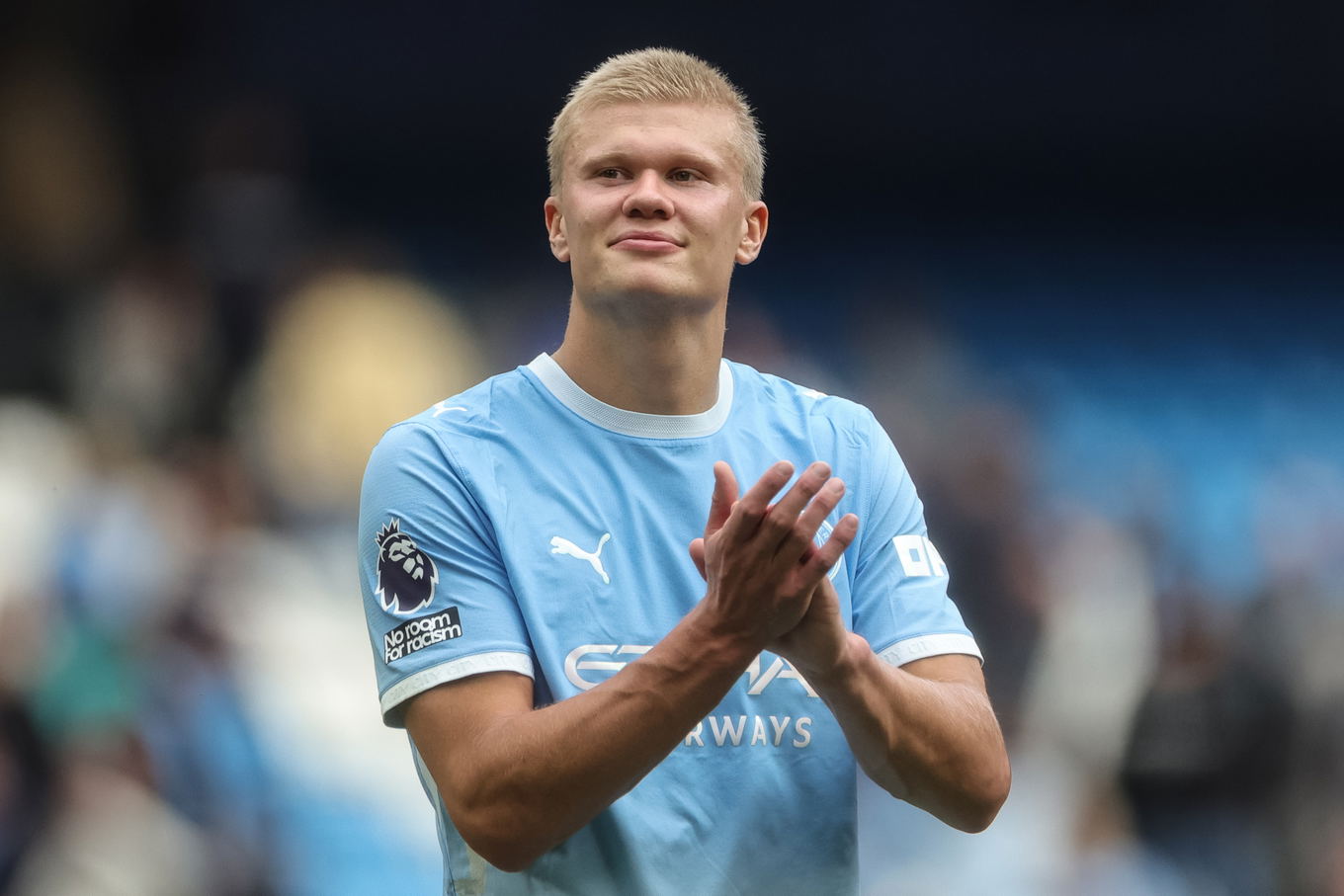
Manchester City sent more players to the World Cup than any other club, with 17 Blues involved. Erling Haaland has been the clear standout from that group, though, with four goals in two appearances and an 8.45 rating that puts him well out in front of the rest of the club's tournament cohort.
Haaland's numbers set the pace
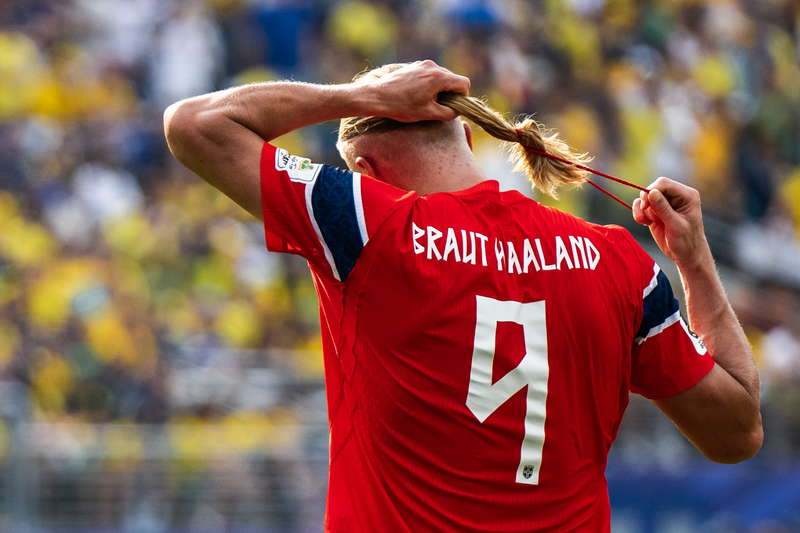
Haaland opened with a brace against Iran and repeated the feat against Senegal, sending Norway into the knockout stages. For City, that is the cleanest part of the picture: when he has played, he has looked ruthless. The scale of his tournament is also hard to miss, because no City player has matched his output or his 8.45 rating.
The wider group has been more uneven. Only one of City's 17 World Cup players went out early, with Abdukodir Khusanov's Uzbekistan the only City-linked nation to bow out in the group stage. That gives the club a decent spread of performances to judge, rather than one bad week skewing the story.
Anderson and Gvardiol add the other angles
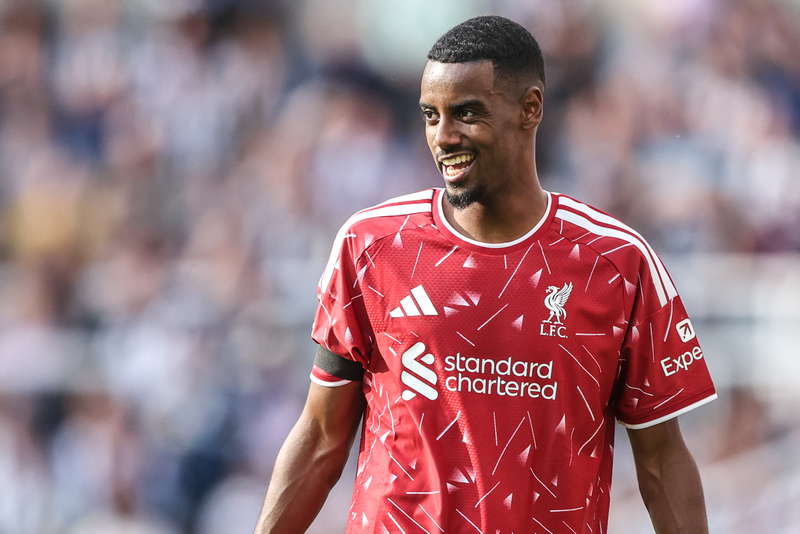
Elliot Anderson has offered the strongest support to the Haaland headline. Set to join Manchester City from Nottingham Forest in a club-record £116million deal, he has posted a 7.14 rating across three appearances, 252 minutes and one assist. That is a useful start for a player arriving under a lot of scrutiny, and it fits the idea that the move is based on more than one hot spell.
Joško Gvardiol is a different story. He has spent most of 2026 recovering from a broken leg, so his 6.27 rating across three appearances and 151 minutes reads as a player rebuilding rather than one fully back at his best. It is encouraging enough for City, but not enough to suggest the recovery story is done.
The overall read is fairly simple. Haaland has turned in the kind of tournament that jumps off the page, Anderson has strengthened his case, and Gvardiol has at least made a steady return. The next marker comes when the knockout rounds start for Norway, while City continue to monitor the rest of their World Cup contingent.
Written by Jack Mercer with AI-assisted research, cross-checked against 1 outlet. How we work →