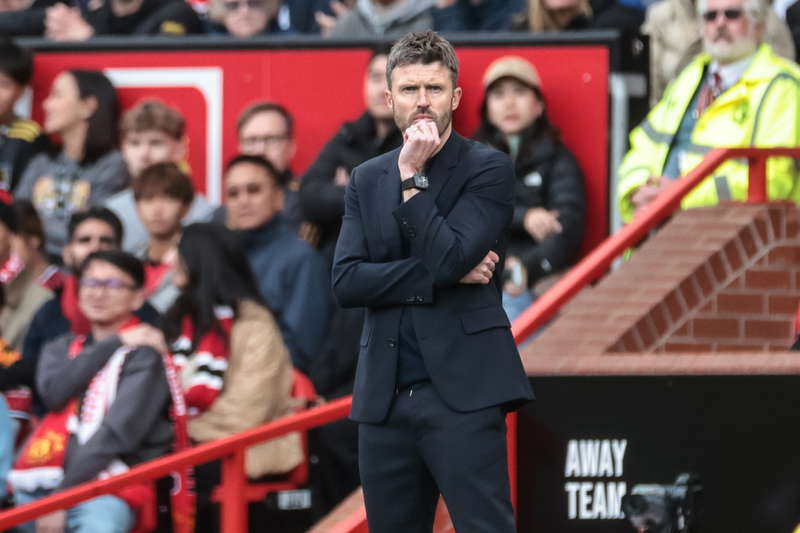


Manchester United are back in the Champions League, and the immediate significance is financial as much as sporting. Their return could generate around £100m in revenue, with another £10m potentially due from Adidas, after qualification was sealed with three games to spare in last weekend's 3-2 win over Liverpool. For Michael Carrick, 10 wins from 14 games have not just rescued the season, they have given his interim spell a very measurable impact.
Why qualification matters so much financially
The biggest number in this story is the simplest one. Manchester United's return to the Champions League could generate around £100m through prize money, broadcast income, ticket sales and merchandising.
That does not mean the money is guaranteed, and the brief is careful on that point, but it is still a huge swing for a club trying to improve its financial picture. There is also the extra £10m Adidas payment tied to a return to Europe's elite competition, which pushes the value of qualification even higher.
The wider backdrop matters too. United reported an operating profit of £32.6m in the first six months of fiscal 2026, compared with a £3.9m operating loss in the same period in 2025. So this is not just about one competition line on a balance sheet. It fits with a broader improvement that the club itself is already pointing to.
Manchester United CEO Omar Berrada told manchestereveningnews.co.uk: "We are now seeing the positive financial impact of our off-pitch transformation materialise both in our costs and profitability. We continue to take a football first approach and invest in both our men's and women's first teams."
That quote is club messaging, obviously, but it also lines up with the basic reality here. Champions League football changes the scale of the conversation at a club like Manchester United, and Carrick's run has put them back in that bracket quickly.
What Carrick's run has changed
Qualification was confirmed by a 3-2 win over Liverpool last weekend, with three league games still to play. That detail matters because Manchester United did not just scrape over the line late. They got the job done early enough to remove any doubt from the final stretch.
Carrick has won 10 of his 14 games in charge, and that is the clearest evidence in his favour. Interim managers are usually judged on mood and short-term lift. This spell has gone beyond that because the outcome is tangible: Champions League qualification and a stronger financial outlook.
There is also a fair football argument in his favour. Carrick's approach seems to have been pragmatic rather than tied to one rigid idea of how United must play every week. That lack of a fixed identity has been used against him by some critics, but in the short term it has worked.
Troy Deeney told football365.com: "I still don't know what their style of play is. Are they aggressive, front-footed type of team? Are they a low-block, sit-back type… I don't know because each week they are changing."
That criticism is understandable, but it also misses part of the point. If a team is changing week to week and still winning 10 of 14, the flexibility is not automatically a flaw. At a club in Manchester United's position, getting back into the Champions League was the priority, not winning an argument about purity.
The table leaves little room for spin
The standings in the brief show Manchester United third in the Premier League with 64 points from 35 matches. Aston Villa are fifth with 58 points from 35, which makes the gap 6 points. That is the verified table context, and it matters because some of the louder rhetoric around the turnaround goes beyond what the numbers support.
Even so, the underlying point still stands. United's run under Carrick has been strong enough to secure Champions League football and strong enough to do it with time to spare. That is why the financial angle is so persuasive. Results have already turned into a material benefit for the club.
There will still be a bigger decision to make about whether Carrick is the right long-term appointment. This brief does not settle that. What it does show is that his 14-match spell has delivered the outcome Manchester United needed most, and the reward could be around £100m plus £10m more from Adidas.
FAQ
How much could Manchester United earn from Champions League qualification?
Manchester United's return to the Champions League could generate around £100m in revenue, according to the brief, with the money coming from prize money, broadcast income, ticket sales and merchandising. The club could also receive an extra £10m from Adidas if they return to Europe's elite competition.
Why is Michael Carrick's run important for Manchester United's finances?
Carrick's spell matters because United sealed Champions League qualification with three games to spare after winning 10 of his 14 matches in charge. That return has a direct financial angle, since qualification could bring around £100m in revenue plus an additional £10m from Adidas.
Did Manchester United seal Champions League qualification by beating Liverpool?
Yes. The brief states that Manchester United secured Champions League qualification with three games to spare by beating Liverpool 3-2 last weekend. That result turned the story from a late-season chase into a confirmed return to the competition.
Are Manchester United actually far ahead of Aston Villa in the table?
The verified standings in the brief show Manchester United are third in the Premier League with 64 points from 35 matches, while Aston Villa are fifth with 58 points from 35 matches. That means the gap is 6 points, not 17.
Written by Jack Mercer with AI-assisted research, cross-checked against 3 outlets. How we work →