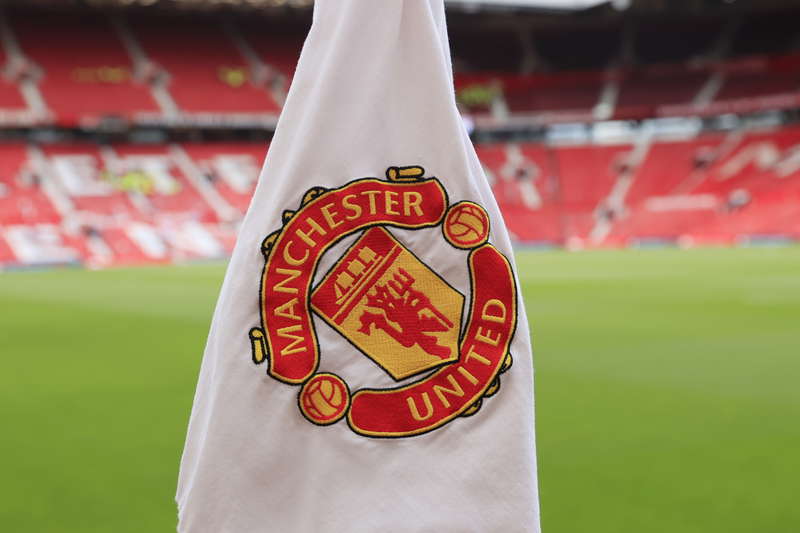


"Today's news highlights the progress we're making towards a world-class new home for Manchester United and represents a significant milestone as we move into the next phase of development." That was Collette Roche's line to manchestereveningnews.co.uk, and it gets to the point quickly enough. Manchester United have secured the majority of the land needed for a new 100,000-seater stadium, which turns a long-running property issue into a genuine step forward.
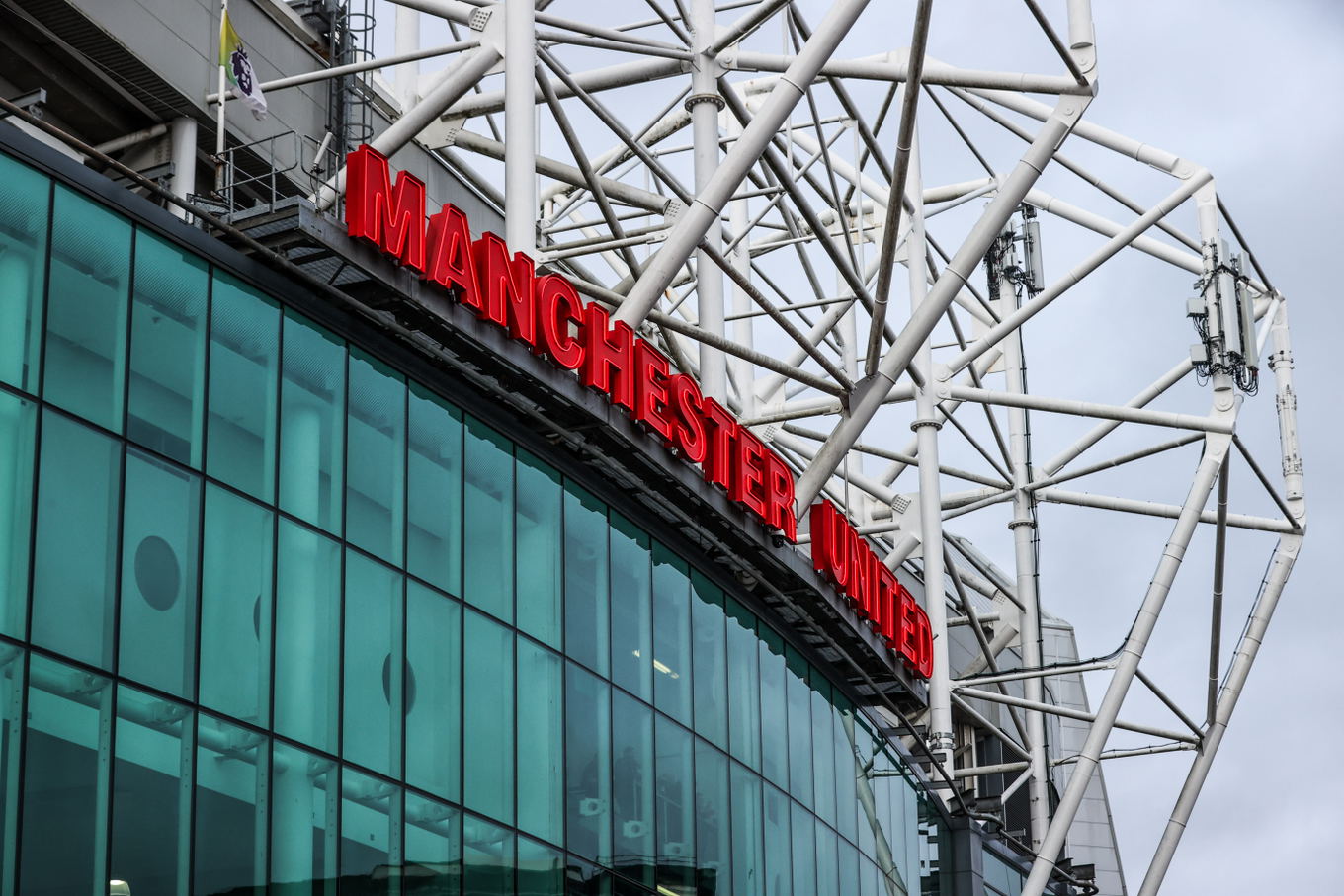
The club's latest move is centred on a 25-acre triangle approximately 350m north-west of Old Trafford, between Wharfside Way, Europa Way and John Gilbert Way. The land was purchased from Indurent, a Blackstone portfolio company. It does not mean the full site is wrapped up, but it does move the project beyond broad ambition and into something more concrete.
The land deal Roche is talking up
Roche's argument is straightforward because the land was always the hinge point. Without enough space, talk of a new stadium stayed just that. With the majority of the required land now secured, United can speak more credibly about design, consultation and what comes next.
She also tied the location to a football point, not just a planning one. "Being able to build so close to Old Trafford allows us to preserve the heritage, traditions and rituals that are so important to our fans," Roche said. Her wider pitch was familiar but sensible: atmosphere, affordability and accessibility are central to the club's thinking.
That proximity matters in practical terms as well. The proposed site sits in Trafford, close enough to Old Trafford for United to sell continuity rather than a clean break. For a club this attached to place and routine, that is a stronger message than glossy stadium language on its own.
The part of the story that is still unresolved
There is still a limit to how far this can be pushed. United have secured the majority of the land, not all of it, and one earlier report said the key remained a deal with Freightliner for land behind Old Trafford. More recent reports have been more positive on the scale of what has already been acquired.
So the fairest reading is that this is a major breakthrough, not the end of the process. Roche's language about a milestone fits that. It would be going too far to treat the stadium as approved or the land assembly as fully completed.
The next public marker is already set. The formal consultation period on the wider masterplan is due on 9 July, which should give a clearer idea of how quickly the club can move from land control to a fuller proposal.
The regeneration pitch around Old Trafford
United are also selling this as much more than a stadium scheme. The wider regeneration project covers 370 acres, and the club say it could deliver around 15,000 new homes, create 48,000 new local jobs and over 90,000 nationally. That scale explains why the language around the deal has been so expansive.
Andy Burnham put the funding side bluntly when he told manchestereveningnews.co.uk: "Manchester United will be paying for the stadium. There will not be a penny of public money going into that, but we have absolutely a role to play in making everything around the stadium as good as it can be because of the economic benefit that brings." Even allowing for the politics around any regeneration project, that is the real frame here. United are not just trying to build a ground, they are trying to anchor a much larger redevelopment argument.
Results on the pitch do not decide land deals, but they do shape the mood around them. United finished 3rd in the Premier League table context provided here, with 71 points from 38 matches and 69 league goals. That gives the club a reasonably stable backdrop as it heads into the next consultation stage on 9 July.
FAQ
Has Manchester United bought all the land for the new stadium?
No. Manchester United have secured the majority of the land needed for the new 100,000-seater stadium, not the full site. Reports describe a breakthrough on a 25-acre plot near Old Trafford, but there is still some uncertainty around remaining land and whether further deals are needed.
Why is the latest Manchester United stadium land deal important?
Collette Roche described the deal as a significant milestone because it allows Manchester United to move from land negotiations into the next phase of development. The club now has a firmer footprint for the proposed stadium and can push on with design work and consultation.
How close would Manchester United's new stadium be to Old Trafford?
The plot is a 25-acre triangle around 350m north-west of Old Trafford, between Wharfside Way, Europa Way and John Gilbert Way. Roche said that building so close to the current ground would help preserve heritage, traditions and matchday rituals for supporters.
What is included in the wider Old Trafford regeneration plan?
The wider regeneration project covers 370 acres. United say it could deliver around 15,000 new homes, create 48,000 new local jobs and more than 90,000 nationally, which is why the stadium plan is being pitched as more than a football project.
Written by Jack Mercer with AI-assisted research, cross-checked against 7 outlets. How we work →