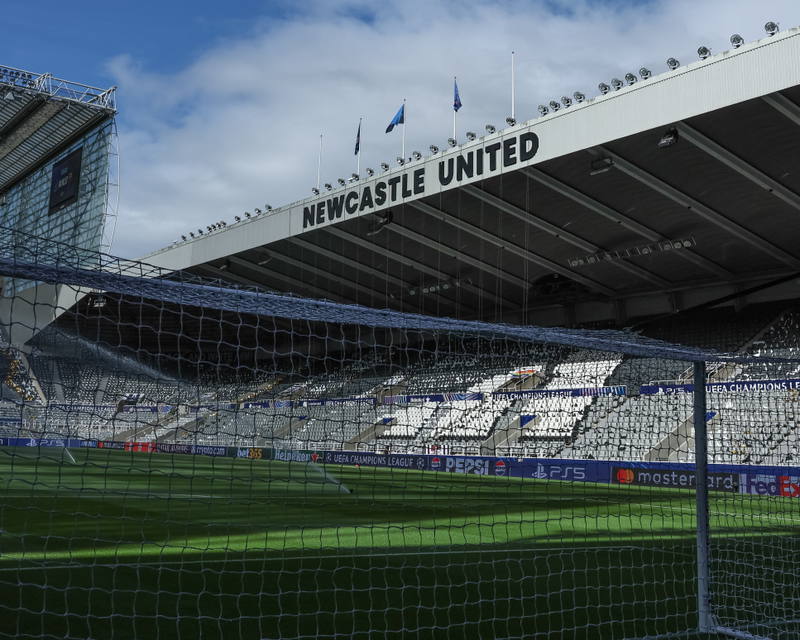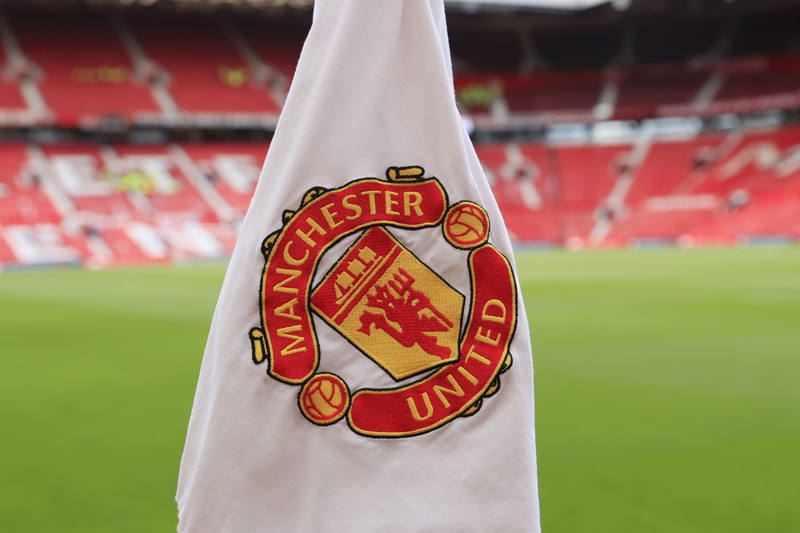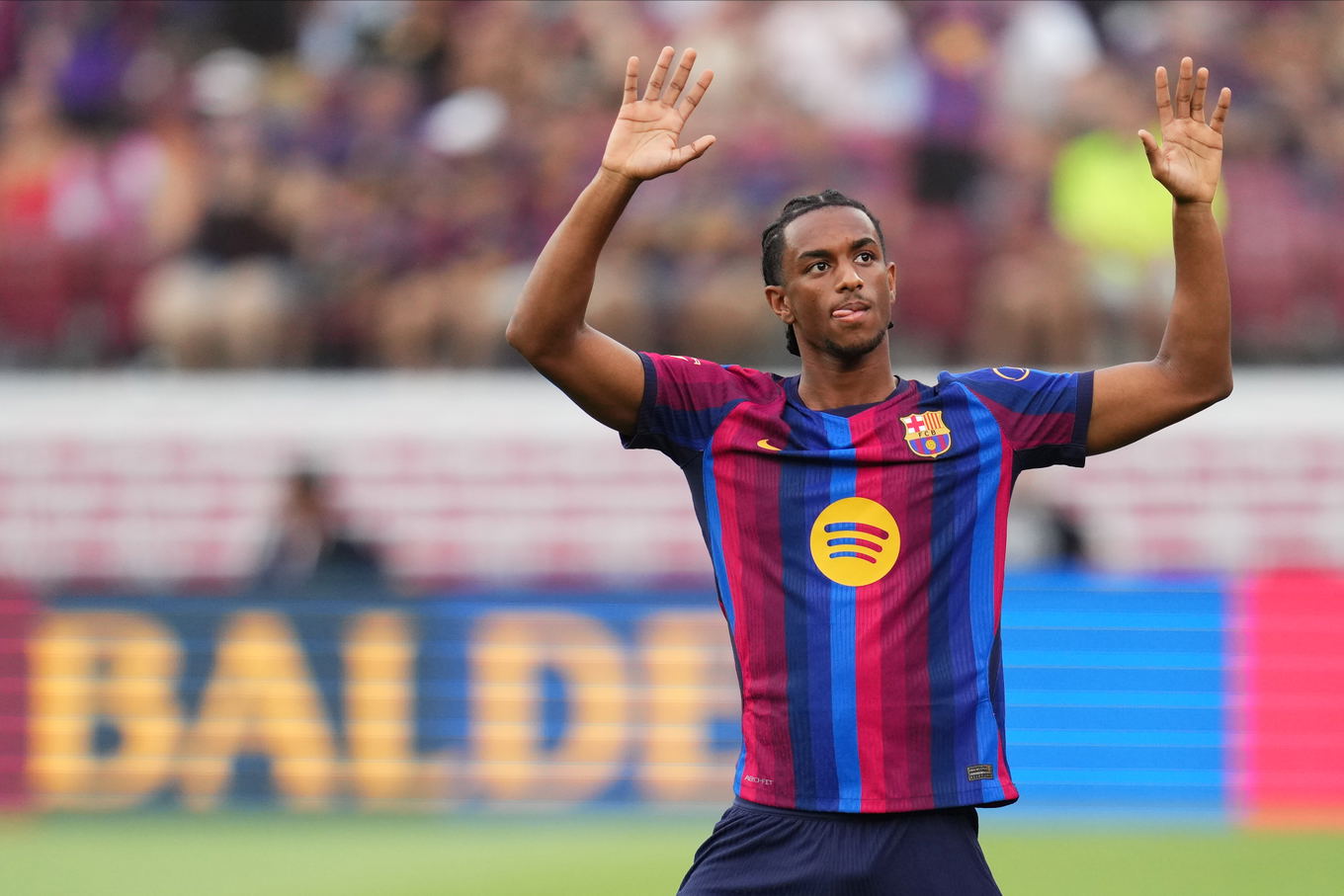
Manchester United want to keep their left-back move pointed at Lewis Hall next summer, even though Alejandro Balde is the more immediate name in circulation. Newcastle have told United they will not sell Hall this summer, and the plan is to reignite their interest in him next year. Balde is available in a different way, but Barcelona value him at around the £30m mark and are not interested in a loan deal.
Hall stays the long-term target
That timeline is the key detail. Hall is 21, has only one Premier League appearance this season and has logged just 90 league minutes, so United are not chasing a player with a settled weekly rhythm right now. They are chasing a player they still see as the right answer later.
There is also a footballing reason for the delay. Hall’s limited league minutes do not make him a finished article, but they do keep the price and timing arguments alive. Newcastle’s stance has been clear enough to force United into patience for the moment.
Balde and the Barcelona complication
Balde is the more obvious alternative if United want to move sooner, yet the deal structure is awkward. Barcelona do not want a loan, and a fee around £30m sits in the way of an easy compromise.
The broader relationship between the clubs has not helped. The collapsed Marcus Rashford move is being tied to a frosty mood between the sides, and that makes this feel less like a clean negotiation than a test of how much either club wants to bend.
Luke Shaw’s workload is the other reason United cannot treat this as a distant debate. Shaw started all 38 Premier League games last season, and he has failed to start just one of United’s past 44 league games. United have leaned hard on him, and a second senior left-back option is no luxury with the window closing on 1 September.
Balde still fits the need, but Hall fits the plan better. United can wait for the player they prefer, then return to the market next summer if Newcastle’s stance changes.
Written by Jack Mercer with AI-assisted research, cross-checked against 3 outlets. How we work →