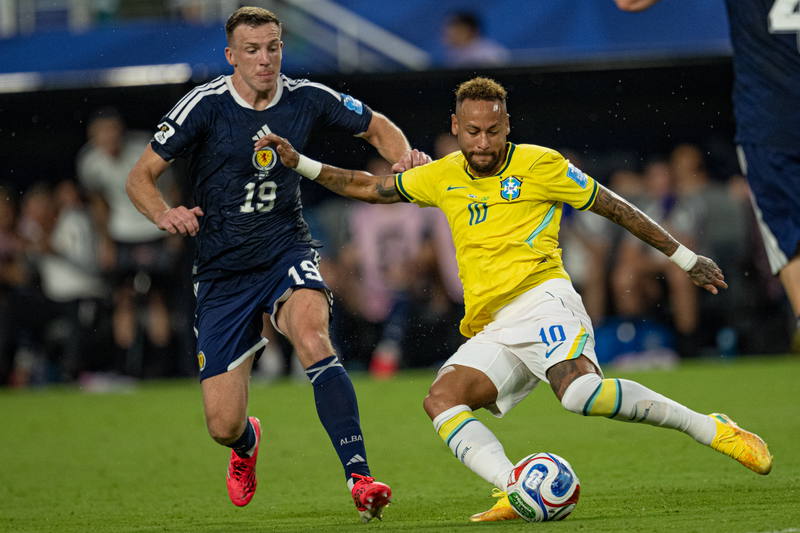


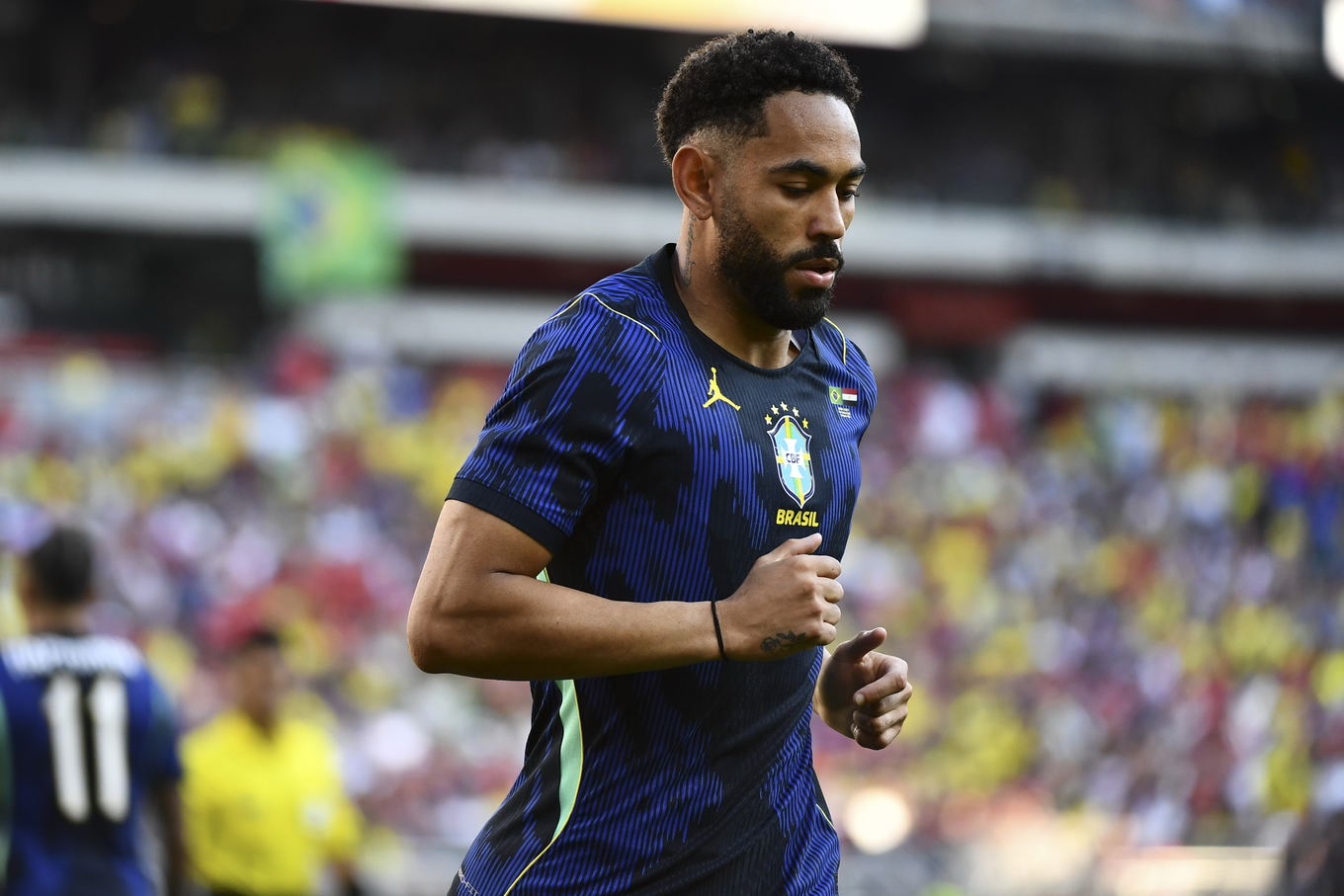
Matheus Cunha has scored 3 goals in 3 World Cup appearances, and Brazil are using him as more than a finisher. He has become the reference point in a front line that no longer needs a fixed number nine to function.
Cunha's hybrid role
Lucas Leiva summed it up neatly: "He is the key to a lot of what we are doing so well."
That is not just praise for a hot start. Carlo Ancelotti tested five strikers, Cunha, Igor Thiago, Endrick, Joao Pedro and Richarlison, before settling on Cunha as Brazil's number nine. The label matters less than the job he is doing. He is described as a "nine-and-a-half", someone who can play like a nine and also like a 10 to link play and create for others.
His tournament output fits that role. Cunha has 3 goals, a 7.93 average rating and 169 total minutes across his 3 appearances. He has given Brazil a forward who can finish moves and connect them, which is a better fit for this side than forcing the attack through a pure penalty-box striker.
Brazil's adaptable attack
Leiva also pointed to the bigger picture: "With Ancelotti, it is down to the opposition or the moment in the game. If you have got individuals who can adapt like we have, then why not adapt as a team?"
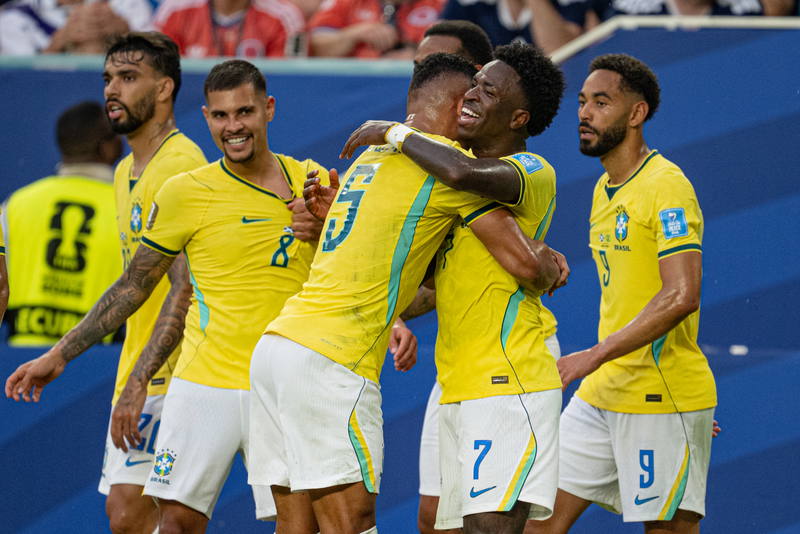
Brazil finished Group C with 7 points from 3 matches and a +6 goal difference. They scored 7 and conceded 1, a clean enough return for a team that has not tied itself to one attacking pattern.
Manchester United will know the profile well from Cunha's club season, but Brazil are getting a different version of the same idea, one that mixes pressing, movement and link-up play. That blend has made him central to the way they are attacking at this tournament, and he has done enough so far to keep the role as his heading into the next round.
Brazil play Japan on 2026-06-29 at 17:00 UTC, with Cunha set to lead the line again.
Written by Jack Mercer with AI-assisted research, cross-checked against 1 outlet. How we work →