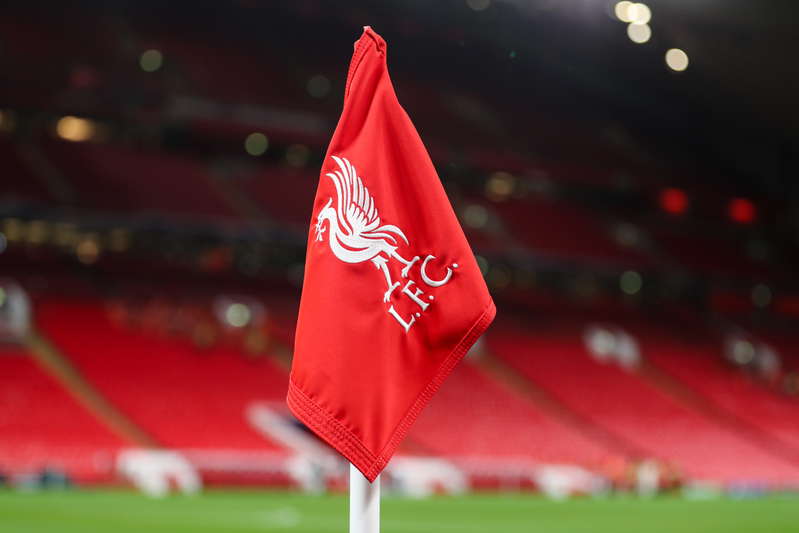


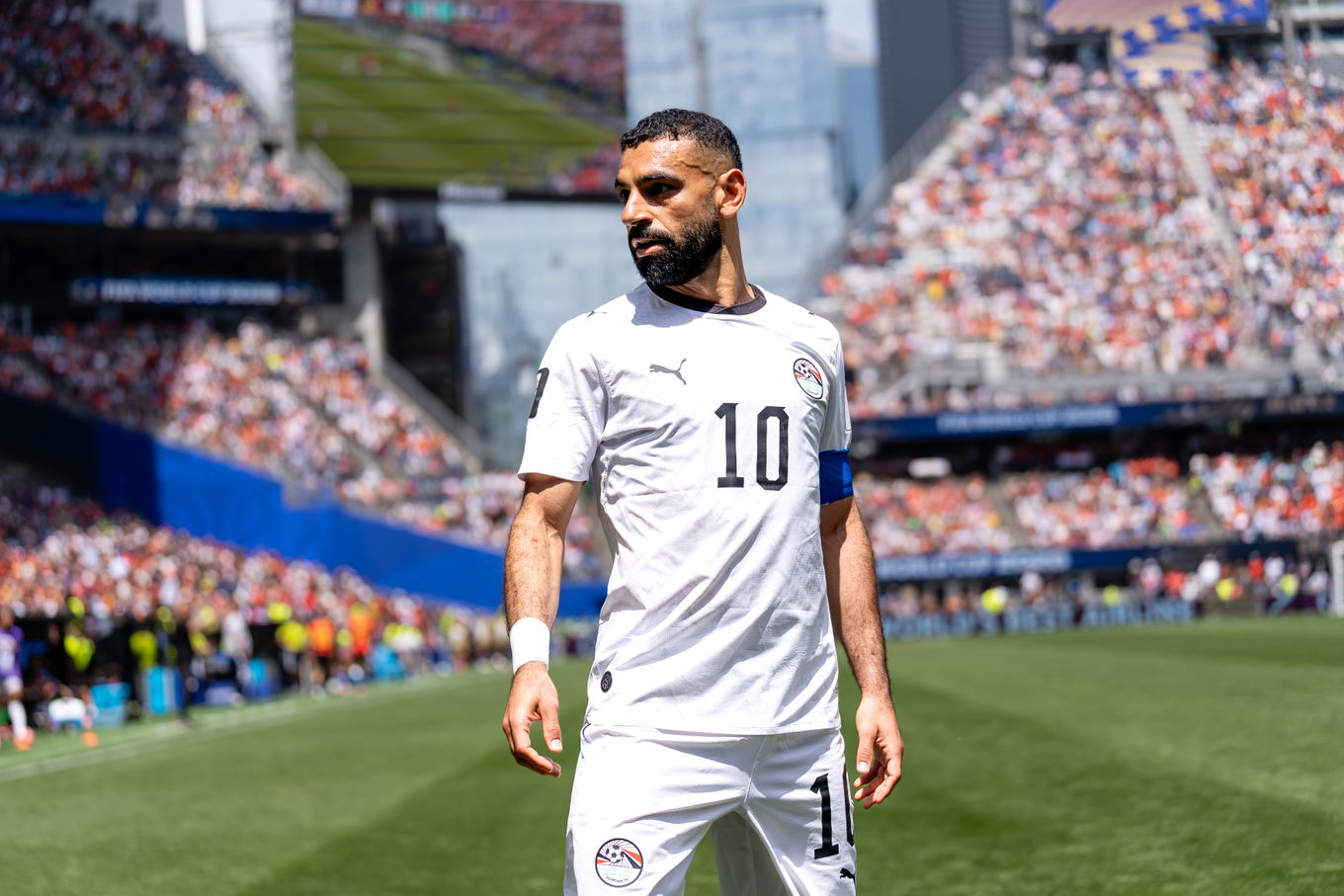
Mohamed Salah’s farewell speech at Liverpool was delivered before their final match against Brentford at Anfield, and it sounded more like a standards check than a goodbye. Salah has scored 257 goals for Liverpool since joining in 2017, and he is Liverpool’s third-highest scorer of all time, so the club were always going to listen when he spoke. His message was blunt: win next year, or live with the pressure.
Why Salah framed it as a standards issue
Salah was clear about what Liverpool are supposed to be. “Being in Liverpool, winning for Liverpool and winning games is the best thing that could happen to you. I think this is the best club in the world when you win something and the worst club in the world when you lose. So you better win next year,” he said.
That line is why the farewell landed the way it did. It was not a soft parting note or a nostalgic thank-you, even though Salah also said he did not want to be emotional because the next day would be emotional, and thanked everyone for the moments he has had at the club. The shape of the speech was more demanding than sentimental.
The timing matters as well. Liverpool went into the final day needing one point against Brentford to officially guarantee Champions League qualification next season, while another source said they needed to avoid defeat. However it is framed, the margin is small, and Salah’s speech came at a moment when standards were already under scrutiny.
Salah’s own league numbers also show why his authority carries weight. He posted a 6.93 Premier League rating across 27 appearances and 2,155 minutes, while his Champions League rating was 7.4 in 10 appearances. He still delivered in Europe, but the league campaign was not at the level he has set for himself in the past.
Slot’s tribute and Robertson’s goodbye
Arne Slot’s tribute underlined how central Salah was to Liverpool’s title-winning season. Slot said last season’s Premier League crown was the most special thing he has won because of Salah’s goals and influence. He also described last season’s league title as the most special thing he has won in his life, which is a pretty strong endorsement from a manager who had just come in and seen Salah up close.
Andrew Robertson was part of the same farewell moment too. He spoke in front of the squad and called the Liverpool years the best years of their lives. Robertson also said it had been nine years of fun, laughter and success, which fits the tone of a day that was emotional without turning theatrical.
There was football substance behind the emotion as well. Robertson made 36 appearances in all competitions in his final season, so this was not a symbolic farewell to a player who had drifted out of the picture. It was the exit of a senior figure who had still been part of the routine of the team.
Salah’s speech, though, is the part that will stick. He has already given Liverpool 257 goals, a place as their third-highest scorer and a title-winning presence that Slot clearly values. But the final message was about what comes next, and it left the squad with a simple demand before they walk out against Brentford again: win next year.
FAQ
What did Mohamed Salah say in his Liverpool farewell speech?
Salah said Liverpool are the best club in the world when they win and the worst when they lose, then added, 'So you better win next year.' He also told the squad he did not want to be emotional on the day, although he said the following day would be emotional.
Why did Salah’s farewell sound more like a warning than a goodbye?
Because he used it to stress standards as much as emotion. The speech came before Liverpool’s final match against Brentford at Anfield, and Salah’s message was built around winning, pressure and what Liverpool demand when things go wrong.
How important was Mohamed Salah to Liverpool this season?
Arne Slot said last season’s Premier League title was the most special thing he has won because of Salah’s goals and influence. Salah also finished with a 6.93 Premier League rating across 27 appearances, plus a 7.4 rating in 10 Champions League appearances.
Written by Jack Mercer with AI-assisted research, cross-checked against 3 outlets. How we work →