

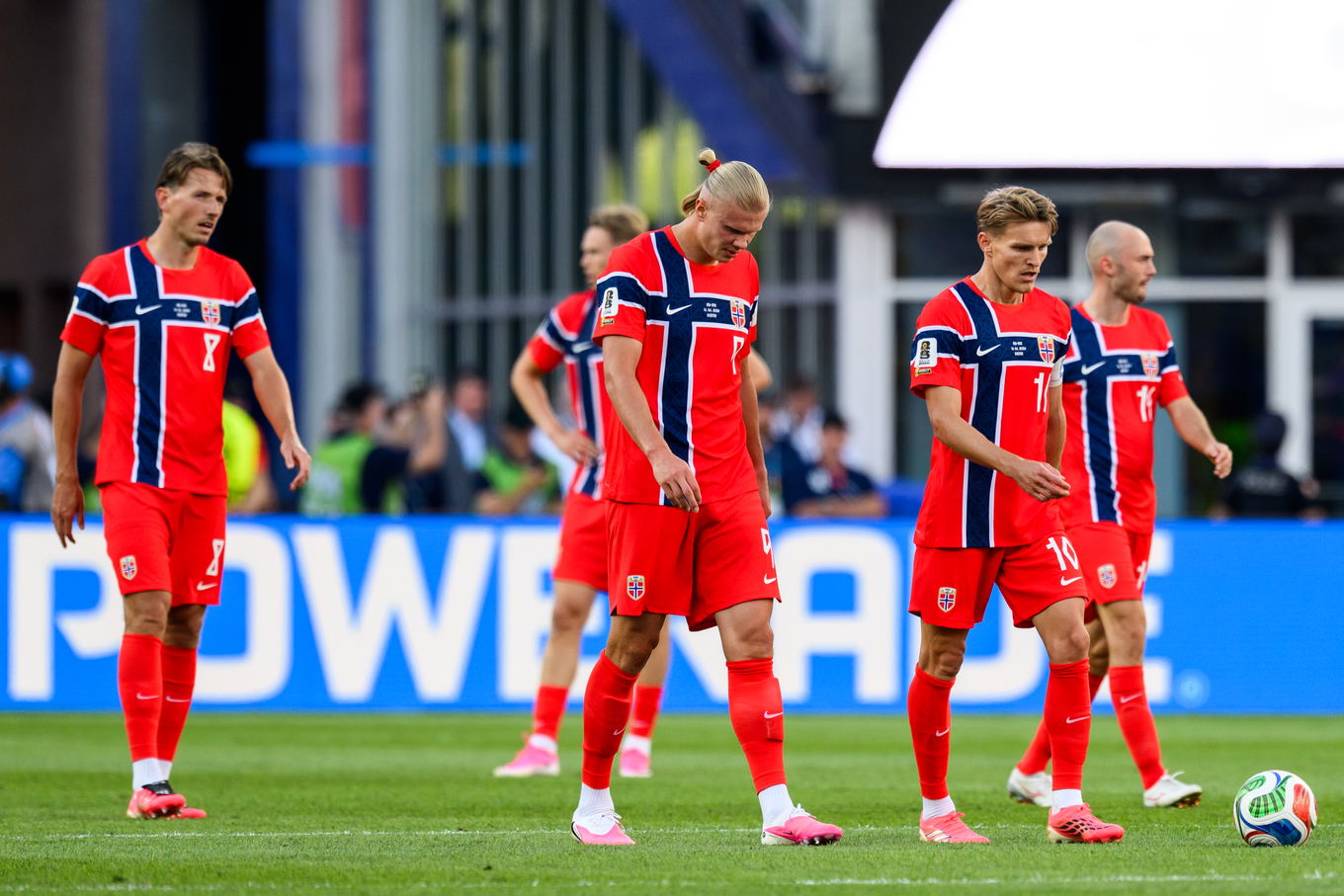
Morten Thorsby has made his point before the tournament even starts. He says 14 of the 16 World Cup stadiums could exceed dangerous heat levels, and the current response from Fifa is not enough. Norway are heading into their first World Cup in 28 years, but Thorsby’s warning is about much more than his own team.
Why Thorsby says the issue is bigger than player welfare
Thorsby’s strongest line is also the clearest. Speaking to bbc.co.uk, he said: "everybody in football loses if Fifa does not do more to protect players from extreme heat". He added: "It's also a message to Fifa - they have to do more to take care of people and the planet".
That is why this is not just a complaint about comfort or recovery. Thorsby is arguing that Fifa has a duty of care to players, but also to spectators and the wider game. He said: "Football is also an entertainment industry. The spectacle and the show and the sport loses its value if the players are not able to perform at their best."
What Fifa is being asked to change
The practical issue is simple enough. The brief says mandatory three-minute cooling breaks will be used in every half of every match, which is a sign that organisers already expect serious heat to be part of the tournament. Thorsby’s point is that those measures do not go far enough if 14 of the 16 stadiums could still face dangerous conditions.
His warning lands with Norway’s schedule already on the horizon. They open against Iraq on 2026-06-16 22:00:00+00, then play Senegal on 2026-06-23 00:00:00+00 and France on 2026-06-26 19:00:00+00. If the heat risk holds, this will not be an abstract debate for long.
Thorsby has also used the moment to push Fifa on climate responsibility. The criticism is wider than one summer, and the governing body cannot really separate player welfare from the environmental questions around hosting a World Cup in those conditions. If Fifa wants the argument to go away, it needs to show more than cooling breaks and reassurances.
Written by Sam Whitfield with AI-assisted research, cross-checked against 1 outlet. How we work →