

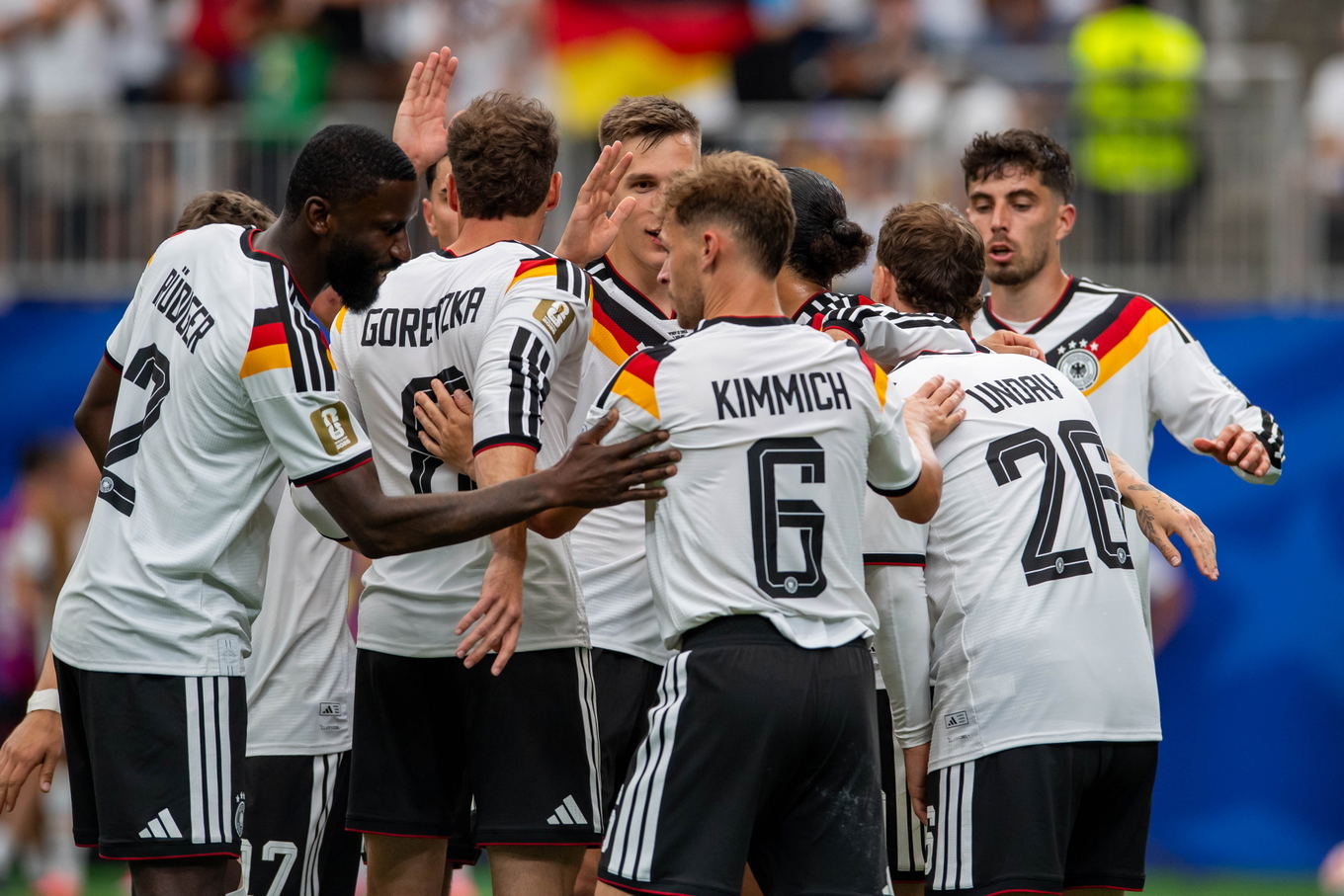
Julian Nagelsmann's explanation for Germany's late change is simple enough: fitness mattered more than profile. Assan Ouédraogo was added after Lennart Karl's torn muscle left Germany needing to reshuffle, and Nagelsmann said the decision came down to who was ready to go, not who looked like the cleanest positional fit.
He did not dress it up. Speaking to goal.com, Nagelsmann said: "Assan played as recently as 29 May in South Africa with Leipzig. He's in top form and in his stride. A player who needs another week to catch up is no use to us".
Why Nagelsmann preferred readiness over position
Nagelsmann also backed Ouedraogo's standing inside the squad, saying he was "immediately reliable and is highly regarded within the squad". That matters here, because the coach was not talking about a pure winger swap after Karl's injury. He was talking about a player who had already done enough to be trusted in a fast-moving squad situation.
The timing helps explain why. Ouedraogo played as recently as 29 May in South Africa with RB Leipzig, while Nagelsmann said Said El Mala had not trained for two and a half weeks and that his last match was on 16 May. That is a big gap in match rhythm, and Nagelsmann made clear that was part of the decision.
The wider point is that this was a selection based on current availability, not reputation. Ouedraogo has only 1 Germany cap as of 5 June 2026, but he also had 6 goal involvements in 8 autumn matches, which helps explain why the coach felt comfortable leaning on him.
Karl's injury forced the reshuffle
The human side of the story is still Lennart Karl. He suffered a torn muscle during a practice match, was helped off the pitch by Antonio Rüdiger and later diagnosed after an MRI scan. Nagelsmann said Karl will be sidelined for four to six weeks, perhaps a little longer.
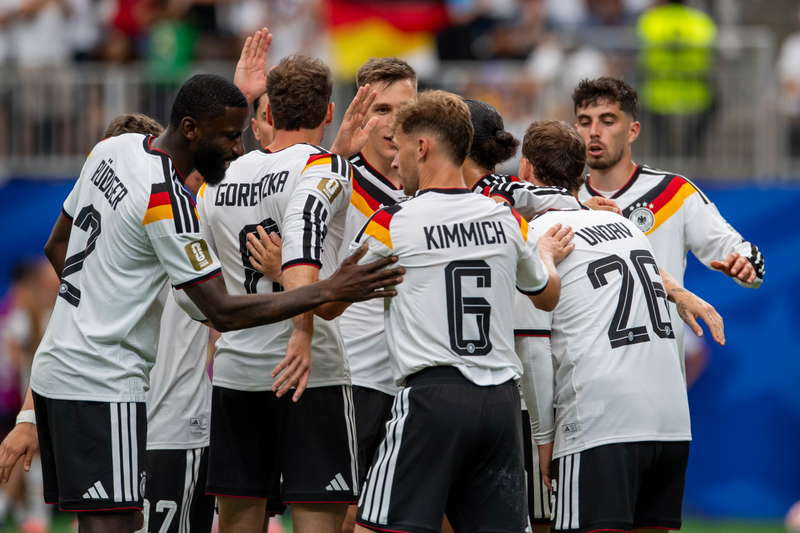
There was also a clear emotional response inside the camp. Nagelsmann said, "I feel genuinely sorry for Lenny", while Bernd Neuendorf described the squad gathering to console Karl and bid him farewell. That is the part of the story that makes the selection issue feel secondary, even if it ended up shaping the squad.
For Germany, the practical answer was to move quickly and choose someone who was already sharp. On those terms, Nagelsmann's reasoning is hard to argue with.
Written by Jack Mercer with AI-assisted research, cross-checked against 4 outlets. How we work →