

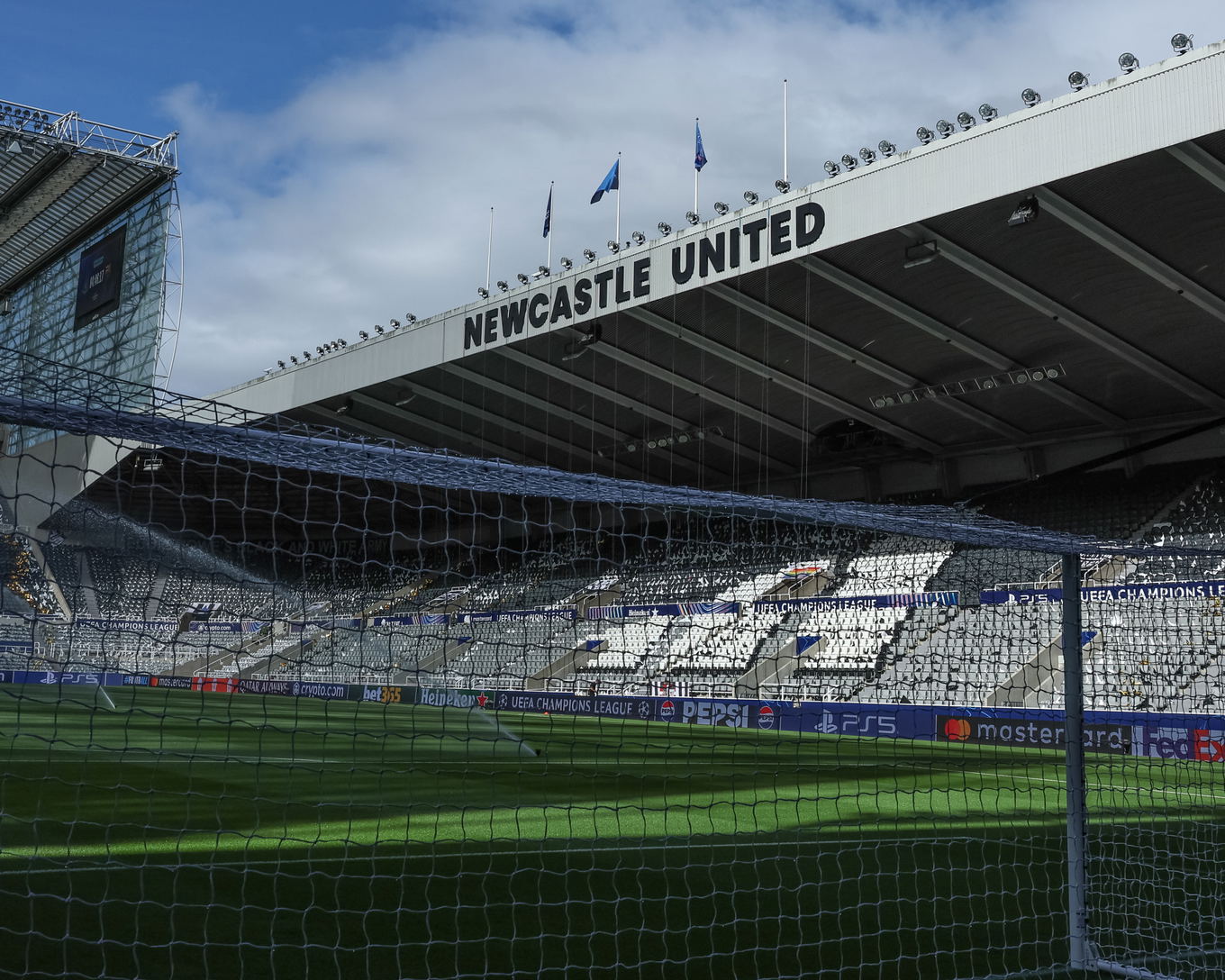
Newcastle will field a noticeably younger side next season. This summer, the club committed £83.5m to three recruits aged 18–20 from lower divisions. These signings coincide with the departures of international-caliber performers Anthony Gordon and Sandro Tonali. The question is whether investment in raw potential can compensate for established talent.
The three signings carry substantial fees relative to their experience. Bazoumana Toure arrived from the Bundesliga for £42m; his international record comprises only three World Cup appearances, generating match ratings in the 6.2–7.3 range. A 7.3 rating came in a Bundesliga match where he scored, but the limited sample provides little foundation for a £42m transfer. Sean Steur followed from the Eredivisie for £23m after just 25 league games, stepping up from Dutch football without sustained elite-level experience. Ewen Jaouen completed the trio from Ligue 2 for £18.5m, rising to £24.2m with add-ons, a remarkable fee for a player stepping directly into the Premier League from France's second tier.
Chronicle Live's assessment was blunt: "Newcastle's transfer business hasn't got me excited yet." The concern runs deeper than initial skepticism. Expecting unproven teenagers to immediately replace world-class internationals stretches credibility. As one observer put it: "In truth it is asking too much and totally unfair to expect a bunch of kids to replace seasoned internationals and keep us firmly on the road to our dreams."
The context of departure
Newcastle banked £170m from sales of Gordon and Tonali. The club finished 12th in the Premier League last season on 49 points. Even with these experienced internationals, the club struggled to compete. A midtable finish reflects structural problems beyond individual departures.
Newcastle's form deteriorated toward the end of the season. The club's final five league matches produced 2 wins, 1 draw, and 2 losses. This record illustrates the defensive and attacking fragility that teenagers are unlikely to remedy quickly.
The strategy is not entirely without foundation. Director Ross Wilson has a track record of youth development. Elliot Anderson, produced through Newcastle's academy, sold to Nottingham Forest for £35m. Wilson views this fee as the benchmark for success. The director's thesis is clear: develop young talent to international standard, then profit from sales. The three current signings must travel that same path.
Yet there is a timing mismatch. Newcastle cannot afford to rebuild patiently while others compete for Europe. The club needs immediate contributions from players who have never played in the Premier League, let alone against elite competition.
Squad stability under pressure
Beyond these three arrivals, squad stability is threatened. Bruno Guimarães has attracted interest from top European clubs. Uncertainty over his future could trigger departures elsewhere. Lewis Hall and Tino Livramento may be next if the midfielder departs. If Bruno leaves, Newcastle's risk shifts from tactical to structural: the midfield would collapse, forcing even greater reliance on untested teenagers.
Newcastle's gamble is framed as bold and brave. In isolation, the recruitment strategy shows faith in youth development. But the context - departures of internationals, midtable mediocrity, potential further squad erosion - makes clear that success requires not just player development but also immediate squad stabilization. Three players from lower divisions cannot realistically shoulder the burden of a Premier League midtable side in their first season.
Judgment day ahead
Newcastle's gamble rests on immediate adaptation. Toure, Steur and Jaouen arrive with credentials from strong second-tier leagues, but the Premier League offers a different test: week-in, week-out competition against established talent. The club finished 12th last season with experienced internationals in the squad. Rebuilding around teenagers requires both player development and squad stability. The latter is no longer assured with Bruno Guimarães' future uncertain and further departures possible.
Ross Wilson has built his reputation on youth development and shrewd sales. He has shown he can identify talent. Elliot Anderson's £35m move to Nottingham Forest proved that. Whether the current three represent a similar caliber remains the unanswered question.
FAQ
Why did Newcastle sell Anthony Gordon and Sandro Tonali?
Newcastle banked £170m from sales of Gordon and Tonali. The departures coincide with the club's youth recruitment strategy, spending £83.5m on three teenagers aged 18-20 from lower divisions.
Can three teenagers really replace Premier League internationals?
That's the central question. Bazoumana Toure (3 World Cup appearances), Sean Steur (25 Eredivisie games), and Ewen Jaouen (Ligue 2) arrive with limited elite-level experience. Newcastle finished 12th last season even with experienced internationals in the squad.
What's the risk if Bruno Guimarães leaves Newcastle?
Bruno Guimarães has attracted interest from top European clubs. His departure would force Newcastle to rely even more heavily on unproven teenagers while losing their most experienced midfielder. Squad stability is already threatened by the heavy youth recruitment.
Written by Jack Mercer with AI-assisted research, cross-checked against 1 outlet. How we work →