England beat Norway 2-1 after extra time in a World Cup quarter-final that was shaped as much by officiating and technology as by the football itself. Norway vs England swung on three separate flashpoints: Andreas Schjelderup's strange opener, a disputed overhead cable touch before Jude Bellingham's equaliser, and a VAR intervention that wiped out Norway’s second goal under a new tournament rule.
The three moments that changed the game
Norway’s opener was odd enough on its own. Schjelderup’s cross cannoned off the back stick and into the top corner, leaving Jordan Pickford exposed by the bounce and the trajectory. Paul Robinson’s view on dailystar.co.uk was blunt: "Jordan Pickford has completely misread it. It's a lucky cross that has gone in the top corner."
That should stay where it belongs, as opinion rather than settled fact. What is beyond dispute is that Norway were ahead through a delivery that turned into a finish, and England were suddenly chasing the game against a side that had already built momentum with two knockout wins before this quarter-final.
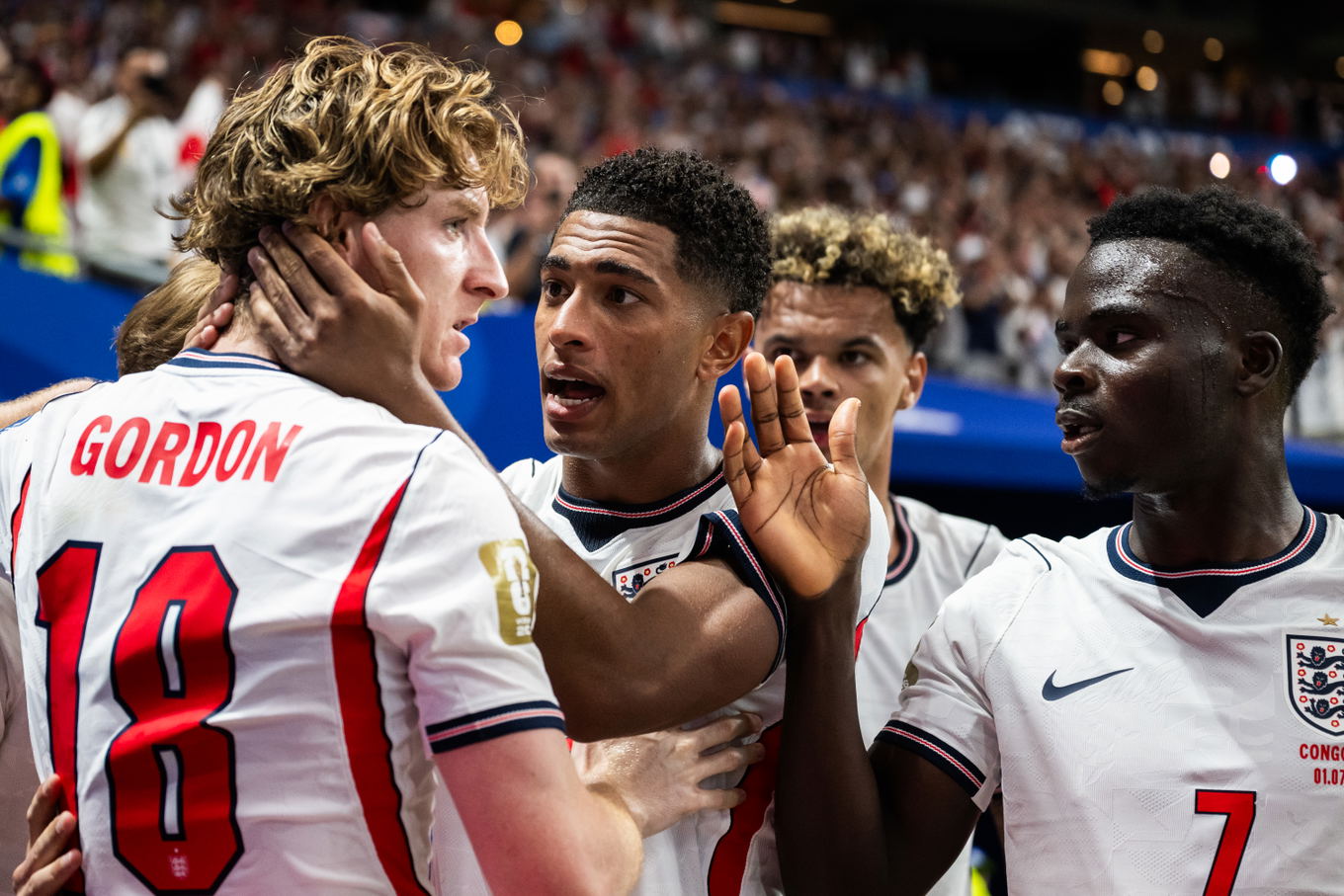
The second major argument came in first-half stoppage time. Ørjan Nyland’s goal kick appeared to clip an overhead camera cable before England broke forward and Bellingham scored the equaliser. Norway protested heavily, while FIFA said it "checked the data and no peak on the graph from the connected ball heartbeat sensor." On that basis, the goal stood.
It is the kind of episode that will keep running because the pictures suggested one thing while the sensor data pointed another way. The safest conclusion is the narrow one: the ball appeared to hit the cable, Norway believed it had, and the officials let play continue.
Then came the third flashpoint in the 55th minute, and this one had a direct legal explanation. Norway thought they had scored again, only for the goal to be ruled out after VAR intervened under a new World Cup rule allowing review of attacking fouls committed before the ball is in play if they lead to goals. Reports described the incident around Erling Haaland, Torbjørn Heggem, Patrick Berg and Alexander Sørloth, with the attacking foul review central to the decision.
England escaped, but this was not a routine comeback
England had enough attacking weight to stay alive in the tie. They went into the match averaging 2.2 goals per game, while Harry Kane had six goals in five World Cup appearances and Bellingham had already scored four in five before adding the equaliser here.
Bellingham’s goal took him to five in this World Cup finals, another reminder that he keeps arriving in the biggest moments for England. Haaland, meanwhile, came into the quarter-final with seven goals in four appearances, which is why almost every Norway attack still felt one pass away from danger.
But this was not really a match decided by who had the cleaner finishers. It was decided by how three separate incidents were interpreted. Norway will feel aggrieved about the equaliser sequence and furious about the disallowed second goal. England will point to the fact that both key decisions were checked and upheld within the rules being used at this tournament.
That still leaves an obvious point. England survived a serious scare, yet the bigger story is the way this quarter-final kept dragging the officials and the technology into the centre of it.
The match will be remembered for Schjelderup’s cross off the back stick, Nyland’s goal kick that appeared to brush the cable, and the VAR review that erased Norway’s second goal before England went on to win 1-2 after extra time.
FAQ
Why was Norway's second goal ruled out against England?
Norway’s second goal was disallowed in the 55th minute after VAR intervened under a new World Cup rule. The rule allows review of attacking fouls committed before the ball is in play if they lead to goals. In this quarter-final, the officials used that rule to wipe out the goal.
Did the ball hit the camera cable before England scored against Norway?
The ball appeared to clip an overhead camera cable from Ørjan Nyland’s goal kick before England’s equaliser, and Norway protested. FIFA said it “checked the data and no peak on the graph from the connected ball heartbeat sensor,” so the goal stood. The available reporting does not settle the incident beyond that.
How did Jude Bellingham and Erling Haaland perform in Norway vs England?
Bellingham scored England’s equaliser and reached five goals in this World Cup finals. Haaland came into the quarter-final with seven goals in four appearances and remained the main focus of Norway’s attack. Both arrived as headline players, but the game was shaped more by the officiating flashpoints than by a straight duel between them.
- bavarianfootballworks.com
- bundesliga.com
- caughtoffside.com
- dailystar.co.uk
- express.co.uk
- football365.com
- givemesport.com
- independent.co.uk
- mirror.co.uk
- nbcsports.com
- si.com
- skysports.com
- sportsmole.co.uk
- standard.co.uk
Written by Jack Mercer with AI-assisted research, cross-checked against 14 outlets. How we work →