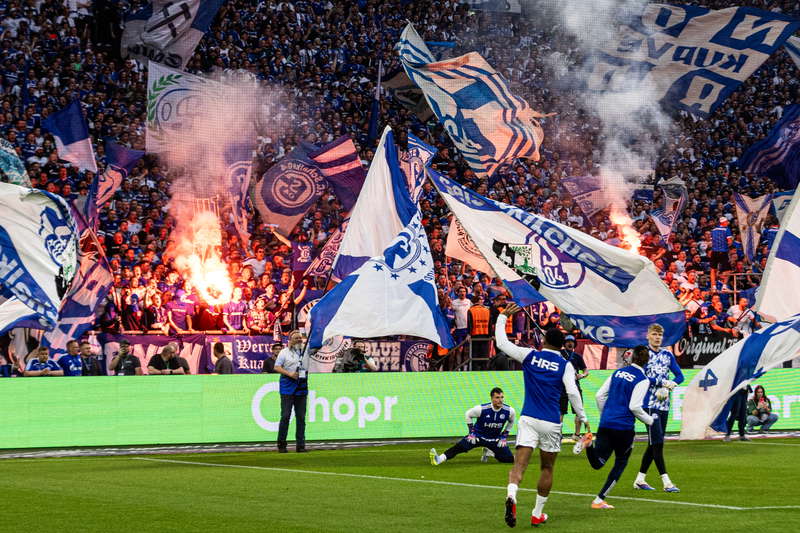


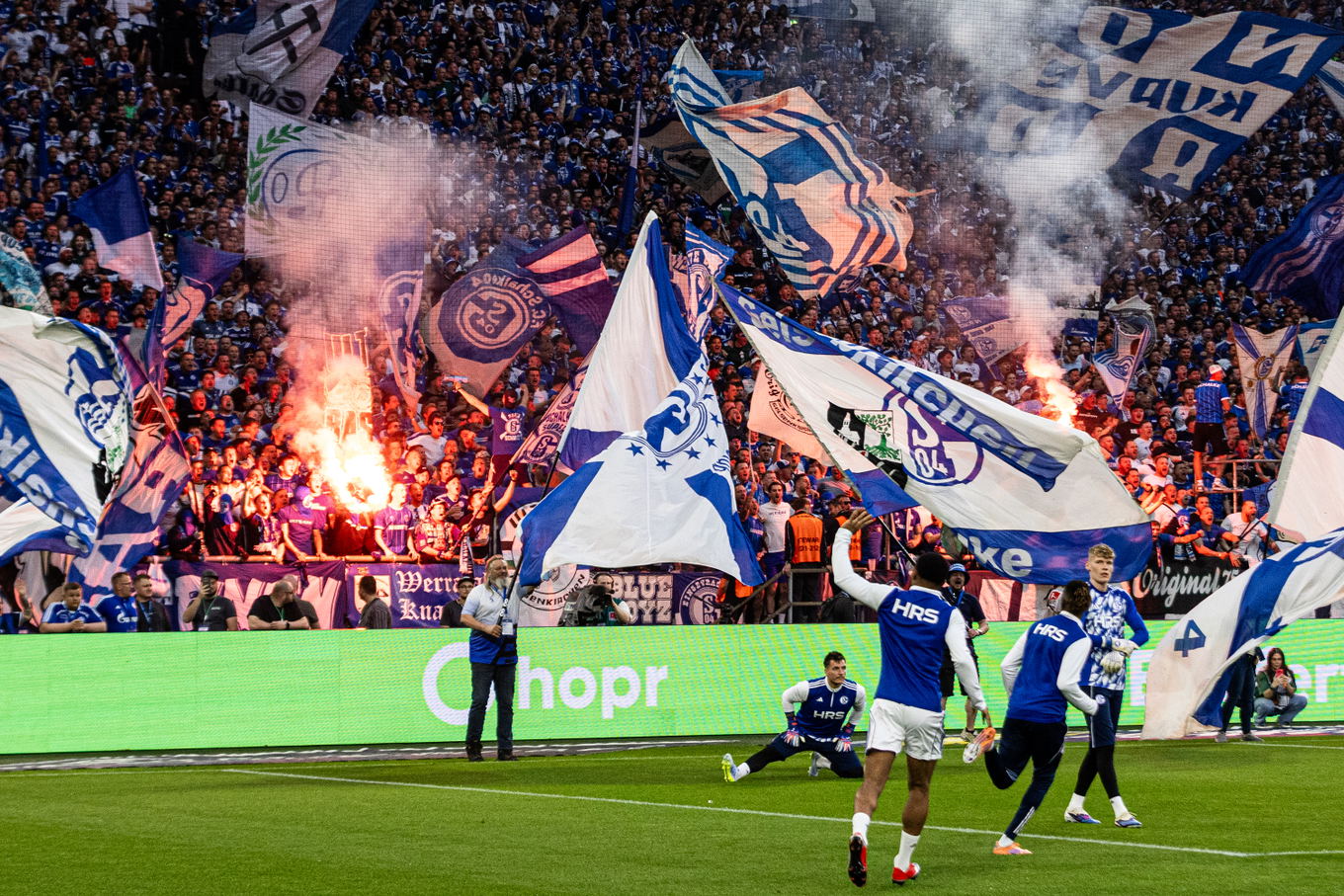
Parkstadion once held 62,004 spectators, staged a UEFA Cup final first leg and even hosted Michael Jackson. Now the FC Schalke 04 landmark has been cut down to 2,999 seats and partly preserved as an academy home. It is hard to look at the rebuild and think of the same ground that served Schalke between 1973 and 2001.
How Parkstadion peaked
The stadium's scale made it one of the most imposing in Germany. Refurbishments in 1998 took it to 62,004 capacity, a figure that still outstripped Anfield and the Emirates in the article's framing.
Parkstadion also had the sort of calendar that gave it real status beyond domestic football. It hosted five fixtures during the 1974 World Cup and two group-stage matches at Euro 1998. The first competitive fixture there ended with Schalke beating Feyenoord in a friendly after the city council approved the stadium plans in 1967.
The final competitive night came in May 2001, when 65,000 fans saw Schalke beat SpVgg Unterhaching 5-3 before Bayern Munich's stoppage-time equaliser elsewhere denied them the title. That is the point where the old Parkstadion story ends. The ground was still hosting major occasions right up to the closing chapter.
What remains after the rebuild
The source does not describe a full restoration, and that matters. Since 2020, the ground has been somewhat reconstructed, now featuring a heavily scaled-down 2,999-capacity alongside a preserved section of the original concrete terracing and a single fan-saved floodlight mast.
That is why Parkstadion still matters to Schalke history. The rebuilt version has not tried to recreate the old monster in full, and it would probably look odd if it did. The point is smaller now, but it is also clearer: keep enough of the old place to show what once stood there, then use it for academy work rather than nostalgia alone.
The stadium's name still carries the weight of the nights it had, from World Cup fixtures to concerts by Michael Jackson, The Rolling Stones and Pink Floyd. But the present-day Parkstadion is not trying to compete with that past. It has been reduced to 2,999 seats, and that is the story now.
If Schalke's old giant is remembered as a place of scale, the rebuilt ground is remembered for what was saved, not what was lost.
Written by Sam Whitfield with AI-assisted research, cross-checked against 1 outlet. How we work →