

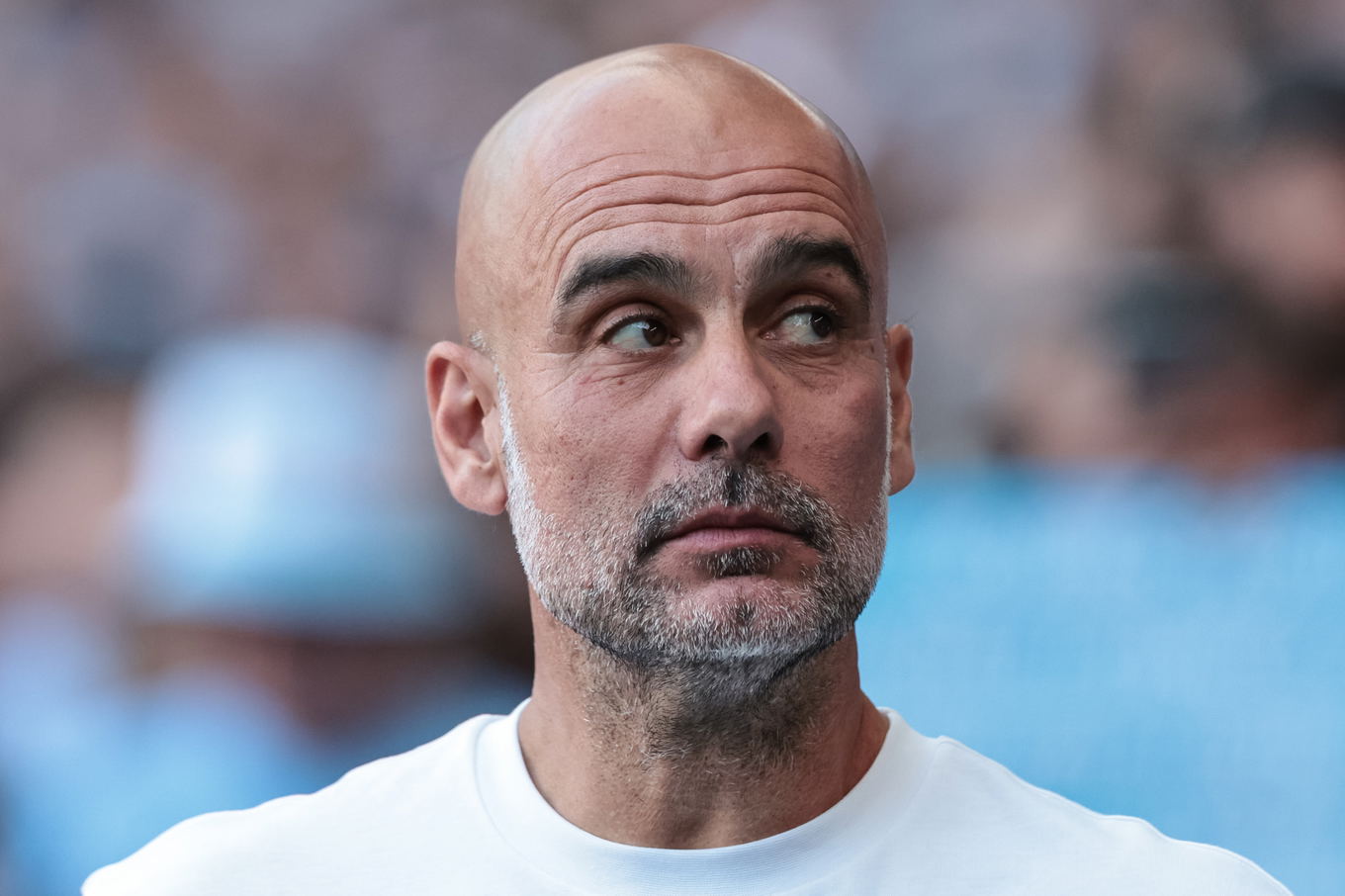
Pep Guardiola takes charge of his 380th and final Premier League game on Sunday against Aston Villa, and the reaction to that says plenty about the decade he leaves behind. Manchester City are still second on 77 points from 36 matches with a 23-8-5 record, so this is not a manager limping out. It feels more like the end of a period that changed what rivals expected from the league's top teams.
Why Guardiola's exit has landed with rivals
The strongest part of this story is not just the trophy count. It is the mix of relief and admiration coming from people who spent years wanting him to lose.
BBC Sport's interviews with rival fans described Guardiola as a likeable nemesis, a juggernaut builder and a manager whose influence stretched beyond Manchester City. That is a better measure of his impact than easy farewell tributes. When supporters of other clubs talk about a manager as the standard they had to live with, that tells you what his team did to the league.
Alex Turk, a Manchester United fan speaking to BBC Sport, put it bluntly: "A total of 20 trophies across 10 years should make it no surprise that we are glad to see the back of him."
That same reaction was not just bitterness. Josh Sexton, a Liverpool fan, told BBC Sport: "It comes to something when your long-time nemesis says it is time to move on and you actually feel a little bit sad about it."
That combination, relief and respect, is why this feels bigger than a routine managerial exit. Guardiola's teams did not just win. They shaped the emotional landscape for rivals, especially those measuring their own progress against City's level every season.
There is also a useful reminder here that this was not inevitable from day one. Guardiola's first season at Manchester City ended with a third-place finish behind Antonio Conte's Chelsea and Mauricio Pochettino's Tottenham. The idea that he simply walked in and ruled the league from the first week misses the point. What followed was built, then repeated, then normalised.
The numbers still make the case
If this were a sentimental farewell built around past success, the tone would be different. Instead, Guardiola leaves with City still operating at an elite level.
They are second in the Premier League on 77 points from 36 matches. They have won 23, drawn 8 and lost 5. Their goal difference is +43, built from 75 goals scored and 32 conceded. Those are not end-of-cycle numbers in the dramatic sense. They are the numbers of a side still functioning near the top.
That matters because Guardiola's reign is easier to understand when you strip out the noise. The brief credits him with six Premier League titles, one Champions League and eight domestic cups. It also notes that Manchester City scored almost 300 league goals more than Manchester United across his decade in charge. Only Liverpool got within 100 points of City in that period, while Chelsea were almost 200 points off.
Sexton's line on BBC Sport gets close to the real effect: "The truth is, the standards those two managers set would warp our perception of what a normal title-winning points total looks like."
That is a fair reading of Guardiola's time in England. You do not need to settle the "greatest manager" argument to say he bent the league's standards. The debate itself is still live. Some reactions around his departure lean heavily toward that label, while one United supporter in the BBC piece dismissed those claims as reactionary. The safer conclusion is also the stronger one: Guardiola changed what title-level dominance looked like in the Premier League, even if the all-time ranking stays open.
Why Ferguson's message matters
The most revealing detail of the week may be the voicemail from Sir Alex Ferguson.
Guardiola told goal.com: "One of the biggest compliments I had was I got a message from Sir Alex Ferguson yesterday and that made me so happy."
He added: "He congratulated me for the trajectory and for what we achieved. It means a lot to me."
That lands because the Ferguson-Guardiola relationship has always carried more weight than a normal cross-city courtesy call. For years, Manchester City's rise was measured against the old balance of power in Manchester. Ferguson's message does not erase the rivalry, but it does place Guardiola's work in a category that even the other side had to acknowledge.
Guardiola himself did not try to turn that into a personal victory over Ferguson. Speaking to goal.com, he said: "It's not to be humble but he is the greatest in this country."
That quote matters for another reason. It keeps the farewell grounded. There is room to recognise Guardiola as a decade-defining force without pretending every argument around greatness is settled.
Sunday's game still has proper edge to it as well. Aston Villa arrive fourth in the Premier League on 62 points from 37 matches, and the last five league meetings between the sides are split at 2-1-2. So this is not set up as a procession. It is Guardiola's 380th and final Premier League game, against meaningful opposition, with City still near the top of the table.
FAQ
Why is Pep Guardiola's final Manchester City game being treated as such a big Premier League moment?
Because the reaction has stretched well beyond Manchester City. Rival fans speaking to BBC Sport described Guardiola as a likeable nemesis, a juggernaut builder and a manager whose influence reached across the league. He also leaves with City still second on 77 points from 36 matches, so this is not being framed as a slow decline.
What did Sir Alex Ferguson say to Pep Guardiola before his departure?
The brief confirms that Sir Alex Ferguson sent Guardiola a voicemail after hearing about his departure. Guardiola said the message made him very happy and added that Ferguson congratulated him for the trajectory and for what Manchester City achieved. That detail turned an old rivalry into a moment of clear respect.
Did Pep Guardiola fail in his first season at Manchester City?
Not really, but it was the one season in this run that looked ordinary by the standards he later created. Manchester City's first campaign under Guardiola ended in third place behind Antonio Conte's Chelsea and Mauricio Pochettino's Tottenham. What followed is why that finish now looks like the exception.
Is Pep Guardiola the greatest Premier League manager?
The sources do not settle that as a fact. Some of the reaction around his exit pushes strongly in that direction, while one Manchester United fan called those claims reactionary. The safer conclusion from the evidence here is that Guardiola's decade at Manchester City changed the league's standards, even if the greatest-manager debate stays open.
Written by Jack Mercer with AI-assisted research, cross-checked against 4 outlets. How we work →