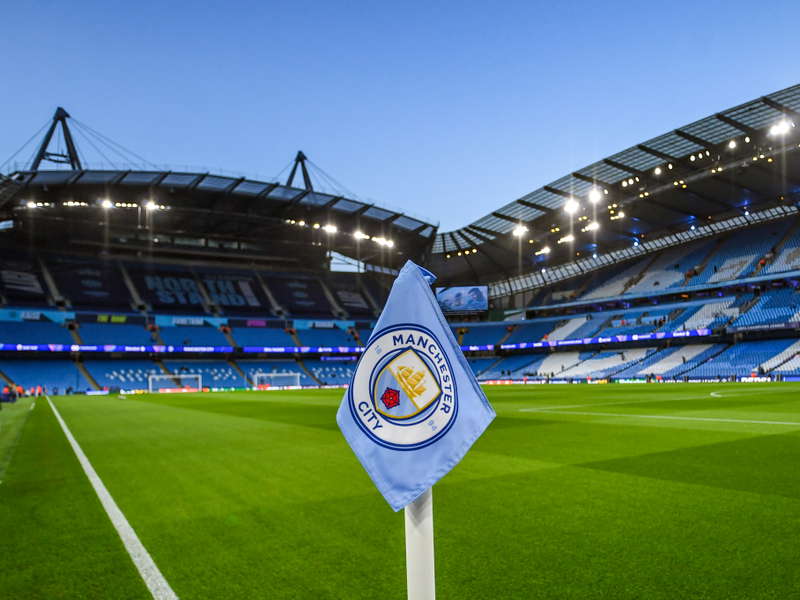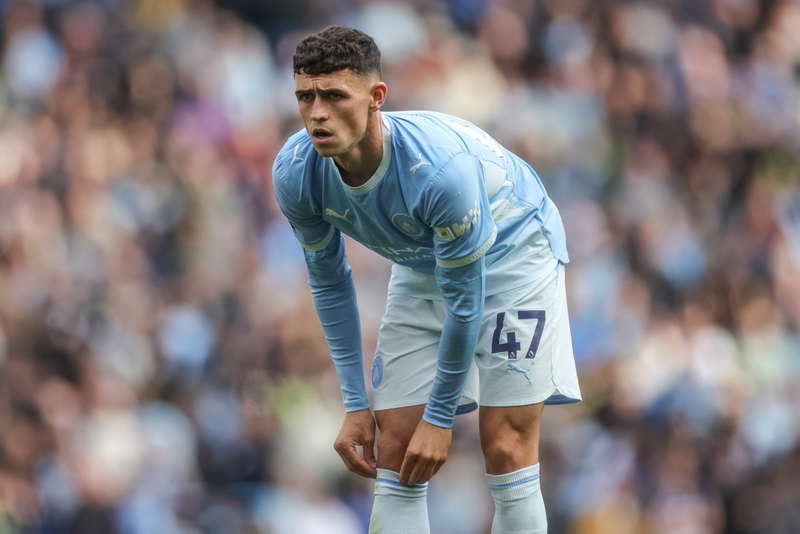


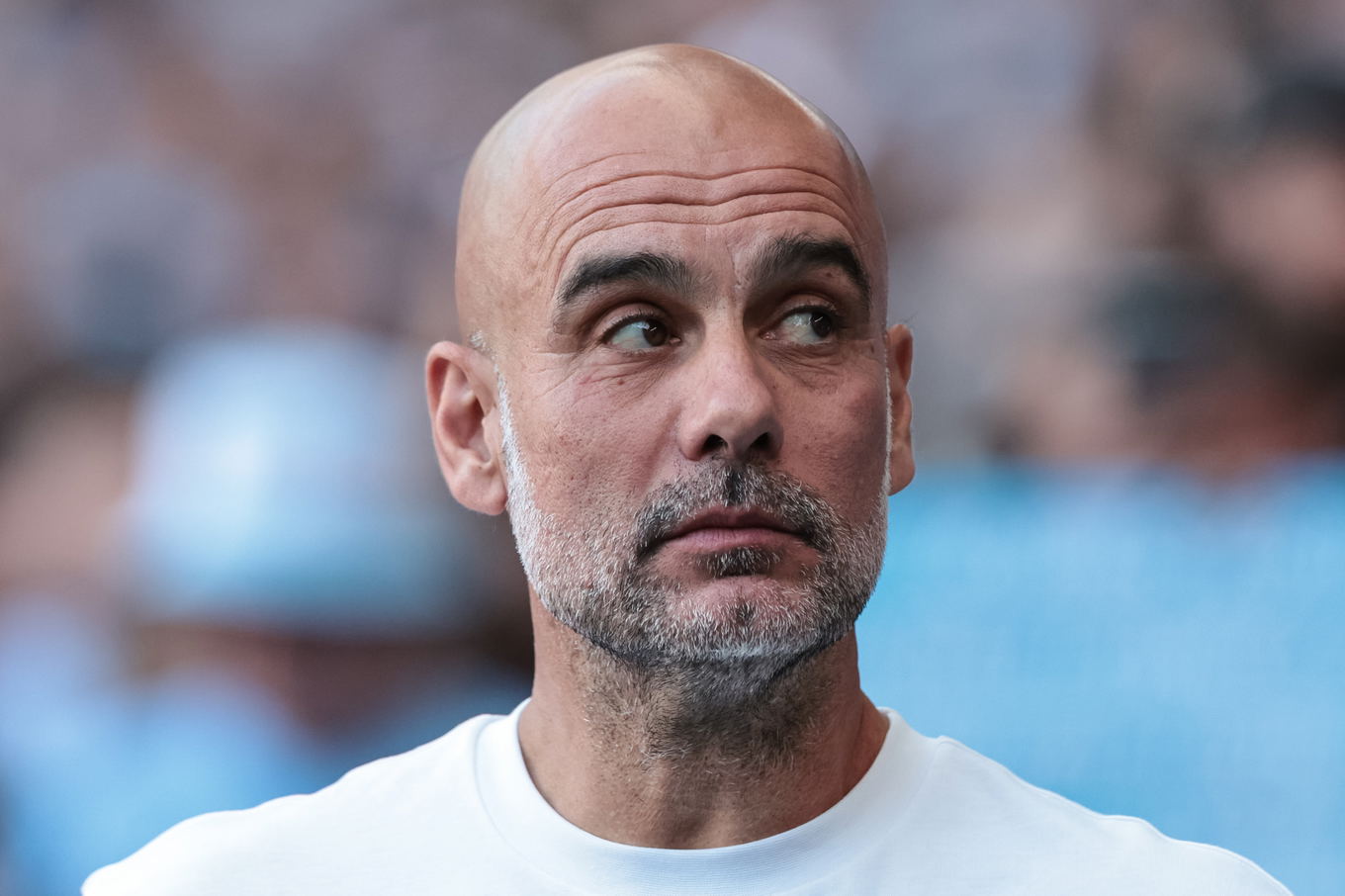
Pep Guardiola's final day as Manchester City manager felt more like a goodbye than a match report. His 593rd game in charge ended with tears from Bernardo Silva, tears from Guardiola himself, and a set of farewell quotes that pushed the story away from tactics and toward memory. The record is enormous, 20 trophies and 269 Premier League wins, but the strongest image of the day was personal.
Why Bernardo Silva became the centre of the farewell
If one player summed up Guardiola's time at City, it was Bernardo Silva. He made 460 appearances under Guardiola, more than any other City player, and that gave the emotion around him extra weight.
Sky Sports' account of the day put him right at the centre of it. Bernardo led the team out for the final time and received a guard of honour from both sets of players. When he broke down, Guardiola did too.
"I don't cry, but when I see Bernardo cry, I cry," Guardiola told skysports.com.
That line said more than any legacy montage could. Bernardo was not just another senior player saying goodbye to a manager. He was the player who had been there most, the one most closely tied to the demands and rhythm of Guardiola's team over the years.
The wider scene backed that up. Guardiola had his 95-year-old father in the crowd on the final day, and former players Ilkay Gundogan, Ederson and Fernandinho were present at the final home game. Even John Stones was part of a farewell atmosphere built around people rather than football detail. BBC reporting also noted that the parade and farewell plans included a separate After Party at Co-op Live, which underlined how club-wide the send-off had become.
The result mattered less than the mood. City lost 2-1 to Aston Villa, but the brief is clear that the defeat was only the backdrop. This was a farewell first.
What Guardiola said about leaving
Guardiola's own explanation was emotional, but not dramatic. He did not point to one dispute, one bad result, or one breaking point.
Speaking to bbc.co.uk, he said: "Don't ask me the reasons I'm leaving. There is no reason, but deep inside, I know it's my time. Nothing is eternal, if it was, I would be here. Eternal will be the feeling, the people, the memories, the love I have for my Manchester City."
There is a slight tension in how that lands. The BBC quote says "there is no reason," while Sky and Mirror frame the exit more as timing, memory and the end of a cycle. Those versions are not really in conflict. The clearest reading is that Guardiola was rejecting a single external cause and talking instead about an internal decision. The sources support that, and not much more.
That is why the farewell felt convincing. Managers often leave with a neat explanation attached. Guardiola's sounded messier, but also more human. He was not trying to pin it on one thing. He was saying he knew the time had come.
Sky also captured a lighter line from him, "Aston Villa, guys, allez", which showed he was still trying to keep the day from becoming completely solemn. Even so, the language he returned to was memory. Sky's shorter phrase, "The luggage of memories", is clunky in translation but easy enough to understand in context. He leaves with a full archive of the place.
The numbers still matter, even if they were not the main story
It would be wrong to make this only sentimental. Guardiola leaves Manchester City with 20 trophies. He also leaves with 269 Premier League victories, which places him fourth on the all-time list, and a 70.8% win rate at the club.
Those are serious numbers by any standard, and they explain why the farewell carried this scale. Manchester City also finished second in the league in his final campaign, so this was not a slow fade into irrelevance.
Still, the most interesting part of the final day was that Guardiola himself did not seem keen to turn it into a self-congratulatory recap. Asked about his legacy, he told skysports.com: "It's a question for the people; hopefully they enjoy watching us play."
That felt consistent with the whole occasion. The trophies and the wins are secure enough already. What the final day added was something else: a sense of how much affection sat underneath the control, standards and success.
For all the statistics, the scene that will stick is simpler. Bernardo cried, Guardiola cried with him, and a 593-game spell at City ended in public, not with a tactical lecture or a trophy lift, but with a goodbye shaped by the people who had lived it with him.
FAQ
Why was Pep Guardiola's Manchester City farewell so emotional?
The farewell was framed by relationships more than the result. Bernardo Silva was in tears, Guardiola admitted, "I don't cry, but when I see Bernardo cry, I cry," and he described leaving with "the people, the memories, the love I have for my Manchester City." It was his 593rd and final game in charge, so the day carried the weight of a full era ending.
What did Pep Guardiola say about leaving Manchester City?
Guardiola said: "Don't ask me the reasons I'm leaving. There is no reason, but deep inside, I know it's my time. Nothing is eternal, if it was, I would be here." That is the clearest line from the source material. It points to timing and the end of a cycle, not to conflict or a single event.
How successful was Pep Guardiola at Manchester City?
By the numbers, the spell was huge. Guardiola won 20 trophies at Manchester City, finished with 269 Premier League victories, and posted a 70.8% win rate. City also ended his final league campaign in second place. Those figures matter, but the farewell itself was driven more by emotion than by a fresh audit of his record.
Why did Bernardo Silva matter so much on Guardiola's final day?
Bernardo Silva was central because he represented Guardiola's era better than almost anyone in the squad. He made 460 appearances under Guardiola, the most of any City player, led the team out for the final time, and received a guard of honour from both sets of players. Guardiola's emotional reaction was tied directly to seeing Bernardo cry.
Written by Jack Mercer with AI-assisted research, cross-checked against 4 outlets. How we work →